
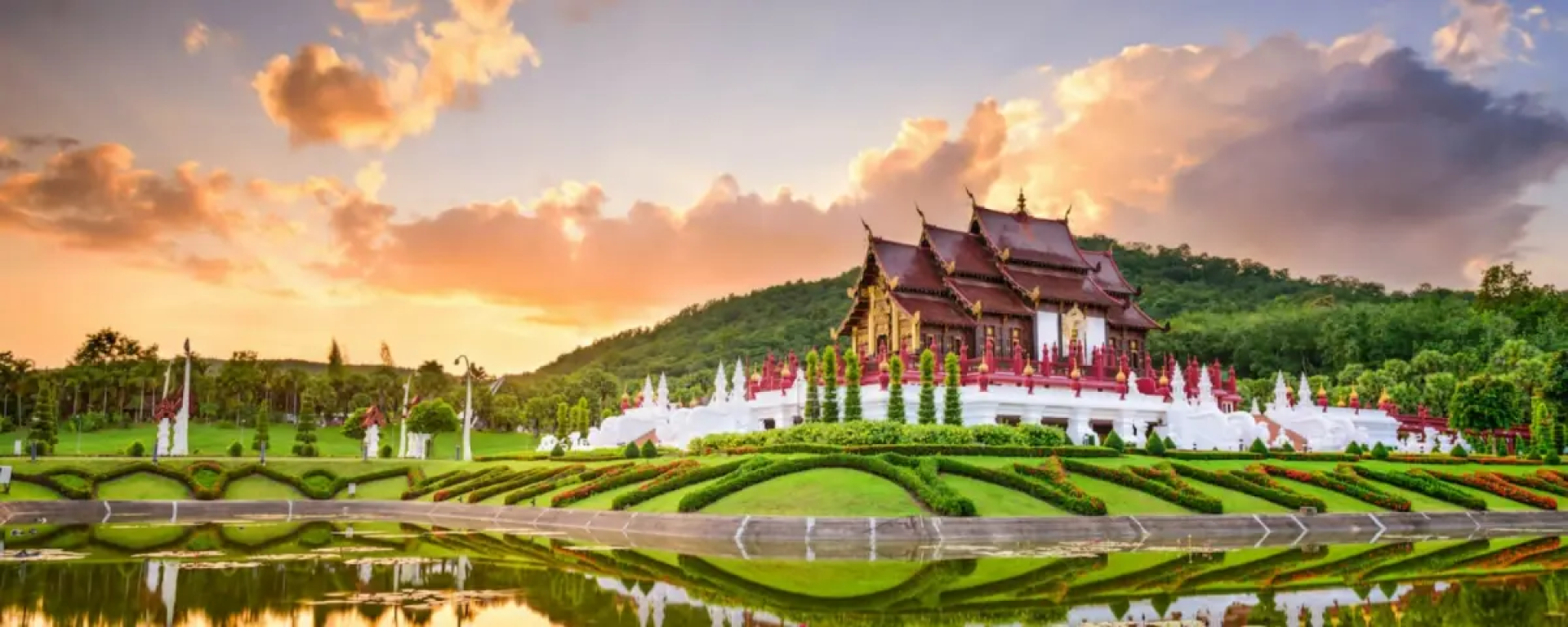
Chiang Saen is a small historical town in northern Thailand. It sits in Chiang Rai province, right on the banks of the Mekong River. Nearby is the famous Golden Triangle, where Thailand, Laos, and Myanmar all meet. The town has a tropical climate and about 10,000 people living there. Every year, around 100,000 visitors come to enjoy its history and natural beauty.
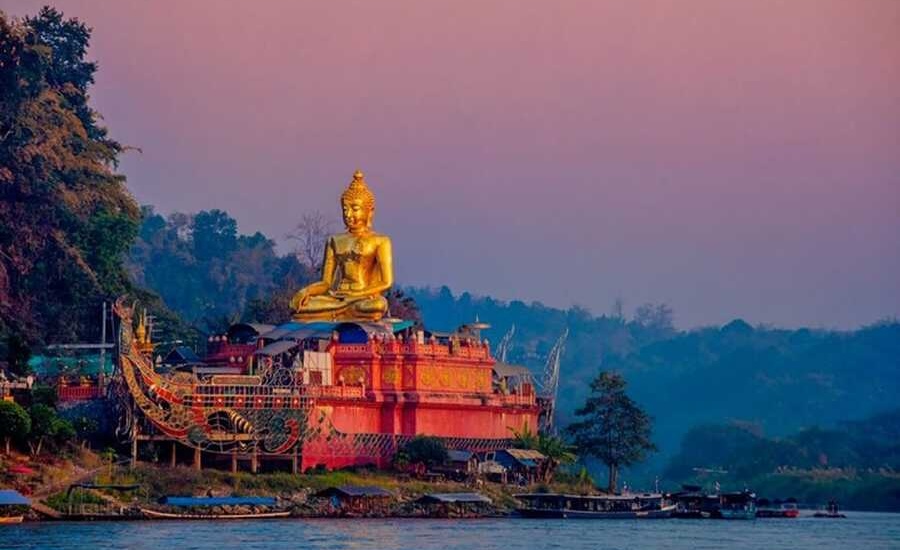
The Golden Buddha statue overlooking the Mekong River in Chiang Saen.
Chiang Saen has a very long history. It was once the capital of the ancient Lanna kingdom. The town was founded in the 7th century by the Tai people. It grew into an important center under King Mengrai. Then in 1558, the Burmese conquered it. Today, old walls and temples still stand as reminders of its glorious past.
Why is Chiang Saen Special?
Ancient History and Lanna Ruins
Chiang Saen has 2km of ancient walls and temples from the 13th century. These ruins represent Lanna culture, which is different from southern Thailand. They show that this town was once a powerful kingdom capital. Walking among them feels like stepping back in time. Unlike modern tourist sites, the ruins blend naturally into the landscape. It is a truly authentic experience.
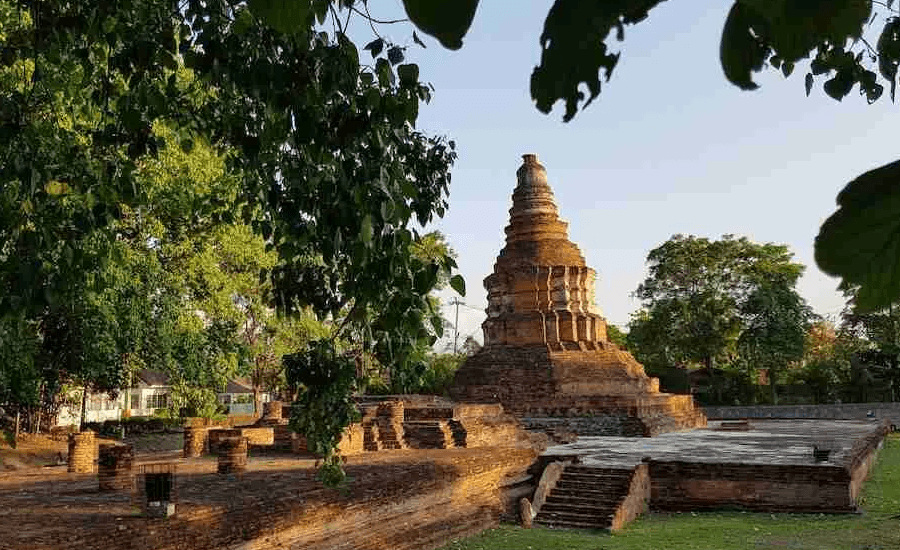
Lanna temple ruins blend seamlessly with the natural landscape.
Strategic Location Near the Golden Triangle
Chiang Saen sits right where three countries meet along the Mekong River. This location has a fascinating history tied to the old opium trade. Today, it is a peaceful area with beautiful views of the mountains and the river. You can take boat rides along the border. This unique position once made it a major trade hub. It remains a gateway into Southeast Asia's rich past.
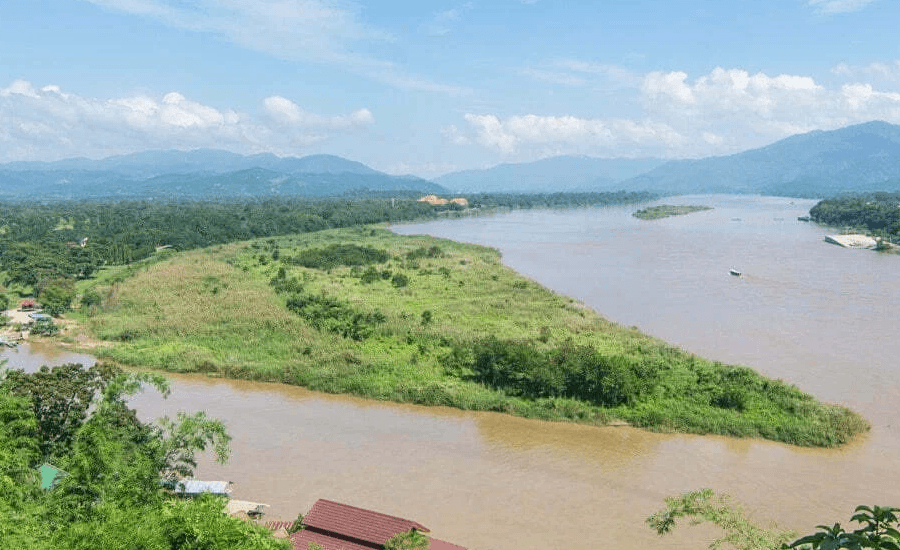
Stunning view at the convergence of the Golden Triangle.
Peaceful Culture and Local Life
Chiang Saen is much quieter than Chiang Mai. Life here moves at a slow and relaxed pace. Local markets and river festivals give you a real taste of the culture. Fishing and trading along the Mekong are part of daily life. Hill tribe communities add even more cultural richness. It is a great place to unwind and connect with northern Thai traditions.
The Best Time to Visit Chiang Saen?
- Dry season (Nov-Feb): Very little rain and temperatures between 15 and 25°C. This is the best weather for exploring outdoor ruins.
- Hot season (Mar-May): Temperatures reach 30–35°C. It can be very uncomfortable. However, there are fewer tourists during this time.
- Rainy season (Jun-Oct): Heavy rains cause the Mekong River to rise significantly. The views can be dramatic, but travel becomes harder.
The best time to visit is from November to January. The weather is cool and pleasant. You can explore ancient sites without suffering from the heat. You may also get to enjoy beautiful festivals like Loy Krathong. This period gives you the most comfortable and enjoyable experience in Chiang Saen.
How to Get to Chiang Saen?
Getting to Chiang Saen
- From Chiang Rai: Take a bus from Chiang Rai Terminal. Buses leave every 15 minutes from 6 am to 7 pm. The trip takes about 1.5 hours and costs 175–280 THB.
- From Bangkok: Fly to Chiang Rai Airport. The flight takes about one hour. Then take a bus or taxi for another hour. A taxi costs around 900 THB.
- From Chiang Mai: Take a bus, which takes 4–5 hours and costs 450–700 THB. You can also rent a car for more flexibility.
Getting Around Chiang Saen
- On foot: Most main sites are within 1–2km of each other, so walking works well.
- Bicycle/motorbike rental: Rent one for 100–200 THB per day. This is ideal for reaching the Golden Triangle, 10km away.
- Tuk-tuk/river boat: Good for short trips and usually costs 50–100 THB.
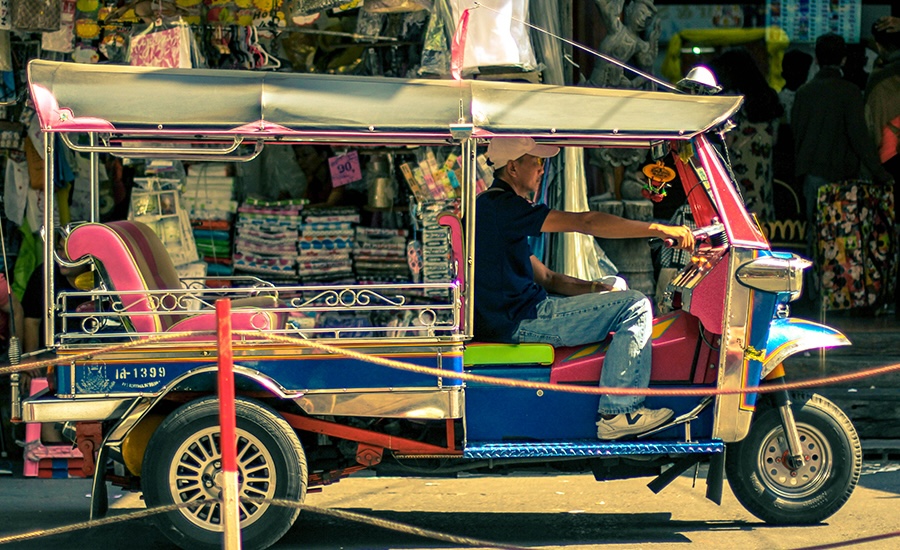
A local tuk-tuk gets around Chiang Saen.
For nearby destinations, check our Chiang Rai travel guide.
Things to do in Chiang Saen?
Wat Chedi Luang
This chedi was built in the 13th century and stands 58 meters tall. King Saen Phu ordered its construction. It is the tallest structure in Chiang Saen and features beautiful Lanna-style architecture. From its base, you get great views of the surrounding ruins. The temple is still active today. You can watch locals take part in merit-making rituals, which adds a meaningful spiritual touch to your visit.
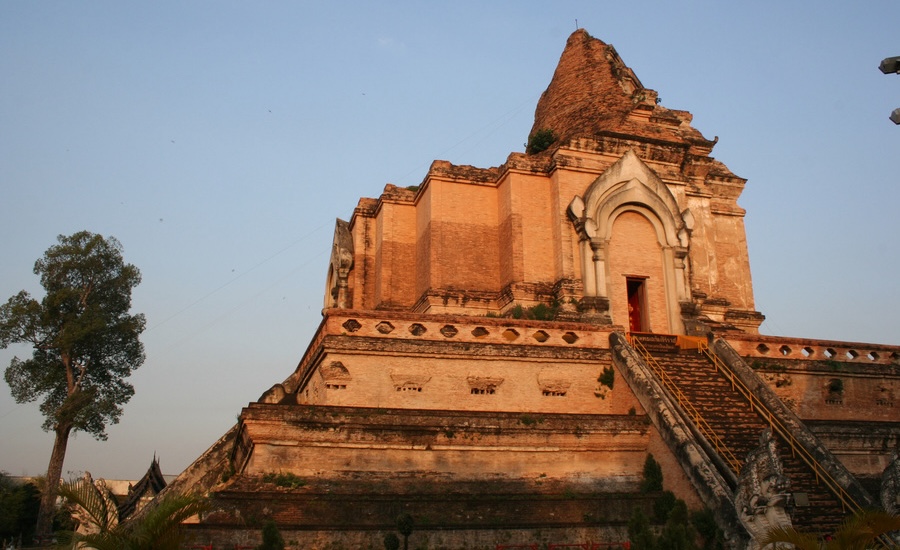
The impressive 58m tall 13th-century chedi at Wat Chedi Luang.
Wat Pa Sak
This ruin dates back to the mid-14th century. It is located just 200 meters from the main gate. The site has a unique octagonal chedi and seven monuments set among tall teak trees. The atmosphere is calm and a little mysterious. It is a wonderful spot for photography and for learning about Lanna architecture. It feels very different from busier temples.
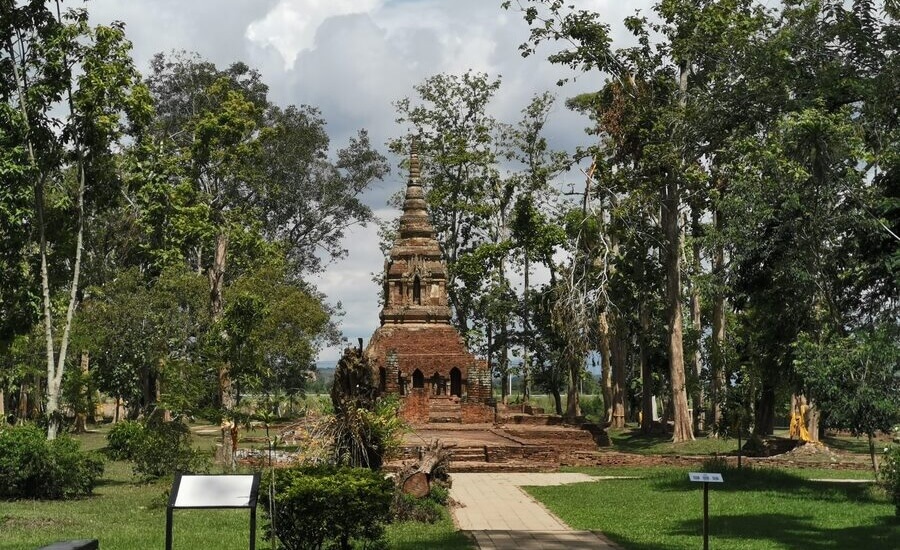
The unique octagonal chedi of Wat Pa Sak.
Mekong River Cruise
A one-hour boat tour to the Golden Triangle costs about 500 THB. The tour gives you great views of where the three countries meet. Some trips include stops at viewpoints or local markets. You can even take longer trips into Laos. The Mekong looks especially powerful during the high-water season. It is a must-do experience for anyone visiting the area.
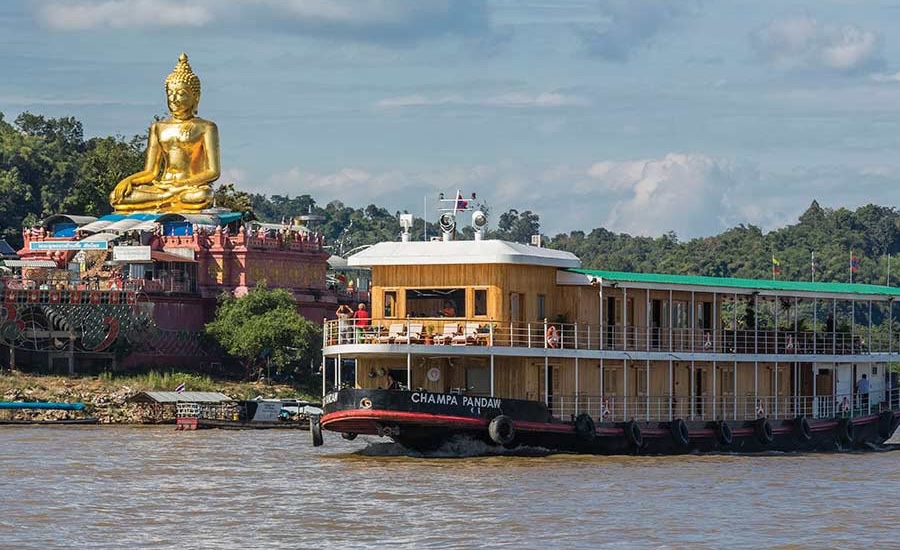
Scenic boat tours offer great views of the tri-border area on the Mekong River.
Chiang Saen National Museum
This small museum charges 100 THB to enter. It is open Wednesday to Sunday from 9am to 4pm. Inside, you will find Lanna artifacts, Buddha images, and hill tribe exhibits. There are also displays on trade along the Mekong basin. It is a great activity for rainy days and helps you better understand the town's history and culture.
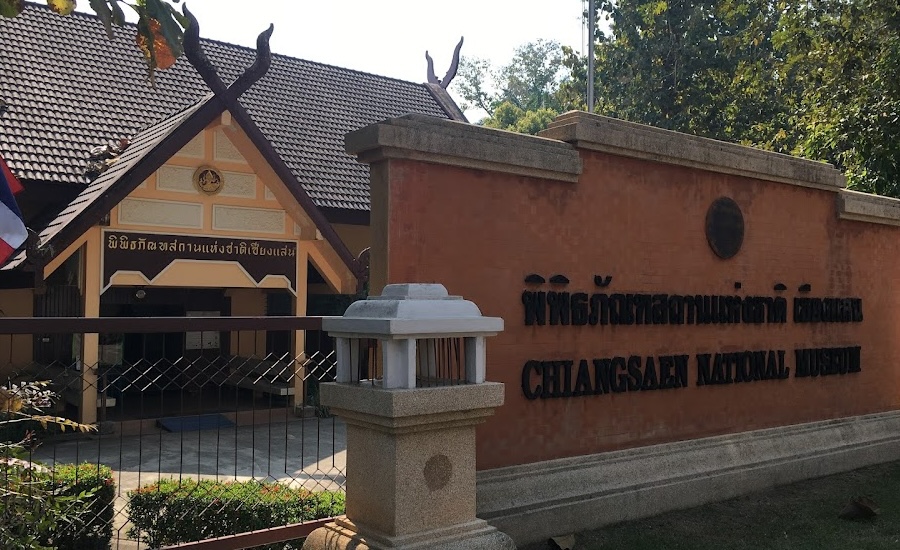
The Chiang Saen National Museum houses precious Lanna artifacts and local history.
What to Eat in Chiang Saen?
- Khao Soi: This is northern Thailand's most famous dish. It is a curry noodle soup with a rich coconut broth, crispy noodles on top, and tender meat. Most local eateries sell it for around 50 THB.
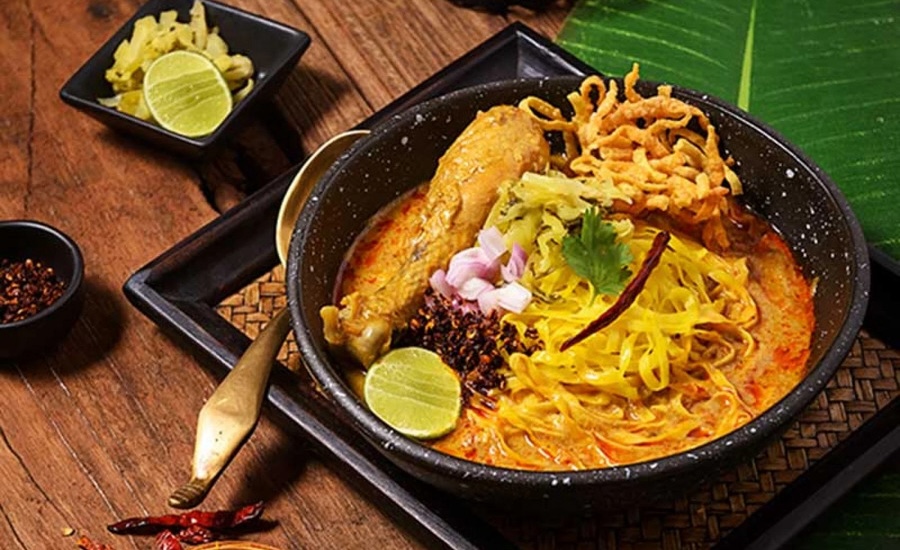
Khao Soi - a signature northern Thai curry noodle.
- Gaeng Hung Lay: This is a slow-cooked pork curry. It is a classic Lanna dish with a sweet and sour flavor from tamarind, ginger, and garlic. You can find it at most traditional restaurants in town.
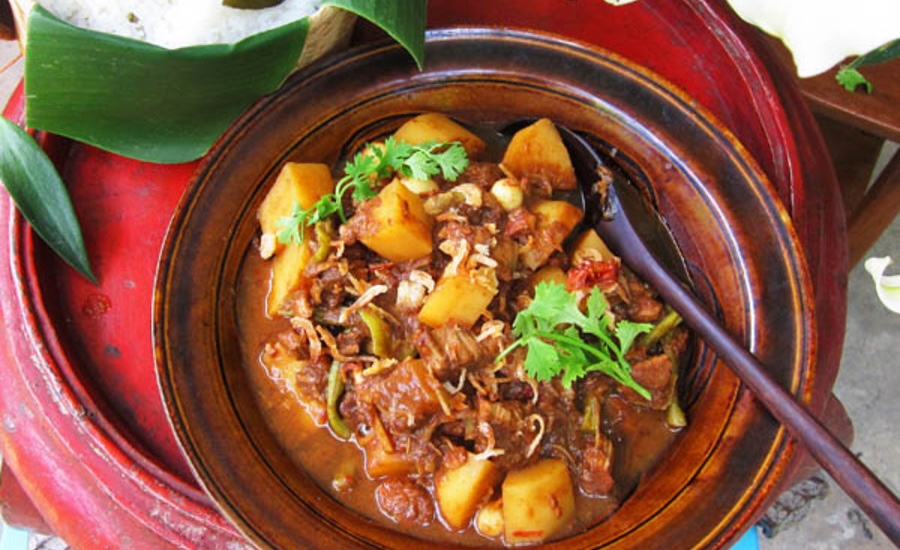
A rich and aromatic bowl of Gaeng Hung Lay, a staple of Northern Thai cuisine.
- Street Food: Try Som Tam, a spicy and tangy green papaya salad. Also look out for Lanna sausages - grilled pork links made with fragrant herbs - sold at roadside stalls.
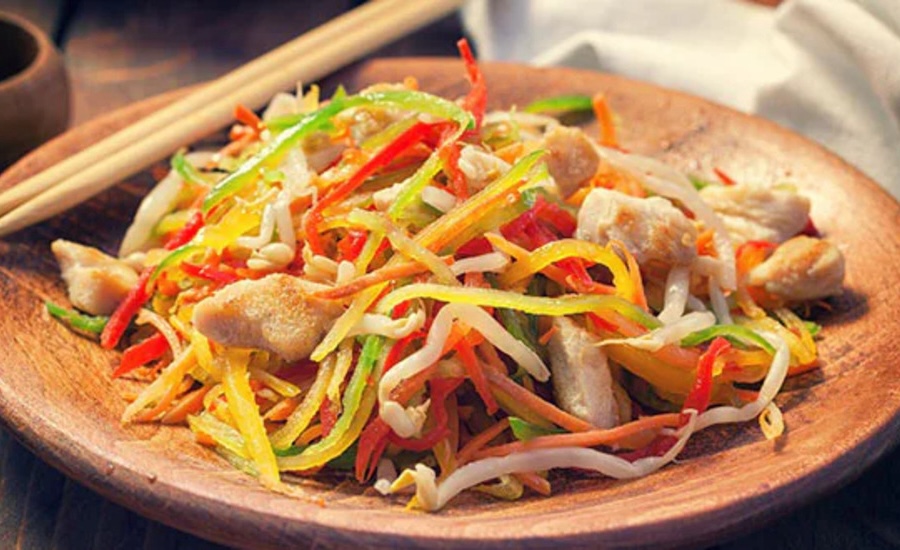
Som Tam - refreshing local street food.
Where to Stay in Chiang Saen?
- Budget: Guesthouses like Chiang Saen Guesthouse cost 300–600 THB per night. They offer basic amenities and river views.
- Mid-range: Hotels like Serene at Chiang Rai cost 1,200–2,500 THB per night. Rooms are comfortable and close to the ruins.
- Luxury: Resorts like Anantara Golden Triangle start at 5,000+ THB per night. They include a spa and premium facilities.
- Nearby: Stay at a homestay in nearby Sob Ruak (10km) for a more local experience.
What Are the Basic Costs and Ticket Prices in Chiang Saen?
- Entry fees: Most ruins are free. Wat Pa Sak costs 20 THB. The museum costs 100 THB.
- Meals: Expect to pay 50–200 THB per person.
- Accommodation: Options range from 200 to 5,000 THB per night.
- Transport: Bus from Chiang Rai costs 175–280 THB. A boat tour costs around 500 THB.
- Daily budget: Plan for about 1,000–2,000 THB per day.
FAQ for traveling in Chiang Sean
How many days should I spend in Chiang Saen?
One to two days is enough for the main sites. Add a third day if you plan to visit the Golden Triangle.
Is it worth visiting instead of Chiang Mai?
Yes, especially if you love history. It is less crowded and offers a unique river and ruins experience.
What currency do I need?
Thai Baht (THB). ATMs are available but limited. Bring cash from Chiang Rai.
Are there English signs?
Basic English signage exists at main sites. Hiring a local guide for about 500 THB per day will give you much more detail.
Travel Tips
- Bring sunscreen and water. Most ruins are out in the open with little shade.
- Download Google Maps offline before you arrive. Rural roads can be hard to navigate.
- Avoid boat trips during the rainy season. They are often cancelled due to bad weather.
- Try to visit in November to catch the river festivals. They are a highlight of the year.
- Rent a scooter for 150–200 THB per day. It makes getting around much easier.
- Dress modestly when visiting temples. Always remove your shoes before entering.
- Bring enough cash. There are fewer ATMs here than in larger cities. Exchange money in Chiang Rai.
- Check the weather each morning. Rain can come suddenly. A light jacket is useful for cooler evenings.
Conclusion
Chiang Saen is a hidden gem in northern Thailand. It combines ancient ruins, river scenery, and a relaxed local culture. Whether you explore old temples, cruise the Mekong, or simply enjoy a bowl of khao soi by the river, the town offers something genuine and memorable. It is a quieter, more peaceful side of Thailand that is well worth the visit.
Ready to explore Chiang Saen? Contact Thai Unika to book your North Thailand tours.