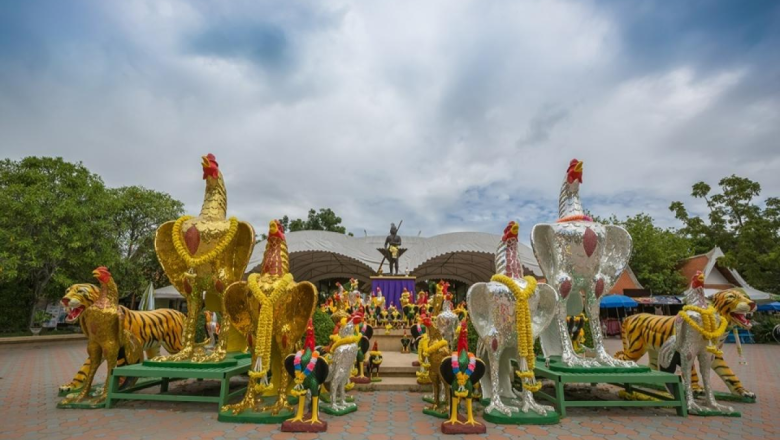

Ayutthaya is one of Thailand’s most rewarding cultural day trips, with centuries-old temples set among waterways and open lawns. Just north of Bangkok, the former Siamese capital offers a close look at the kingdom’s royal, religious and trading past through its brick stupas, riverside monasteries and local food. A day here pairs landmark ruins with quieter corners and flavours still woven into local life.
History & Cultural Background of Ayutthaya
Founded around 1350 by King U Thong, Ayutthaya became Siam’s second capital after Sukhothai. Its island setting, formed by the Chao Phraya, Pa Sak and Lopburi rivers, offered natural protection and access to regional trade. Over four centuries, the city grew into a wealthy political and commercial centre with diplomatic links across Asia and Europe.
Burmese forces captured and devastated the capital in 1767, ending its role as Siam’s seat of power. Its surviving temples and palace remains now form the Historic City of Ayutthaya, inscribed on the UNESCO World Heritage List in 1991. The historical park is protected, with conservation work continuing.
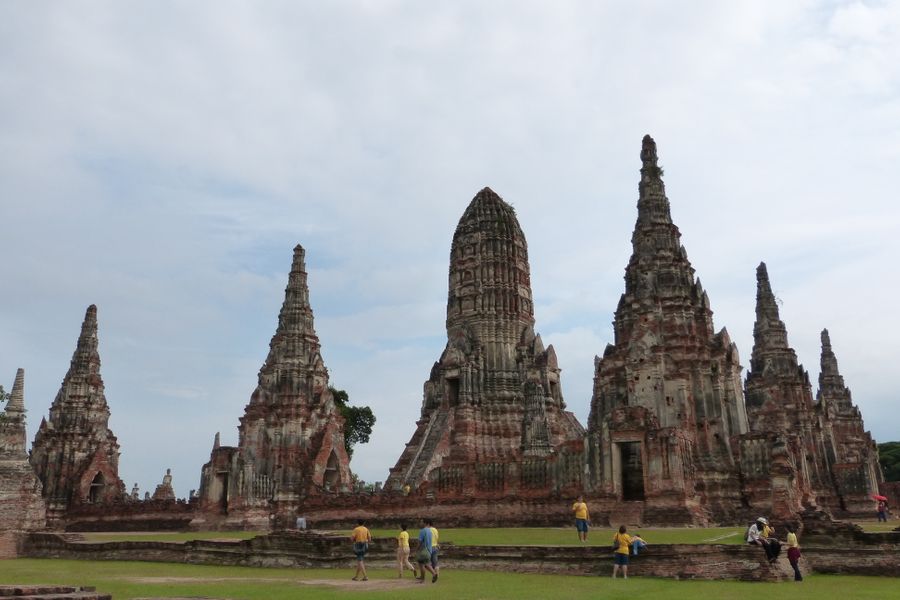
The stunning ancient ruins of Wat Chaiwatthanaram in Ayutthaya, a UNESCO World Heritage site in Thailand
Best Time to Visit Ayutthaya
Central Thailand has three broad seasons: a cooler, drier period from November to February, a hot season from March to May, and a rainy season from May to October. November to February is generally best for exploring the open-air ruins, especially in the morning when temperatures are more comfortable.
December and January usually offer the most pleasant conditions but attract more visitors. March and April can be exhausting in exposed courtyards, where shade is limited. Rainy-season showers may interrupt an afternoon visit, although the grounds are greener and crowds can be lighter. Start early in any season.
How to Get to Ayutthaya
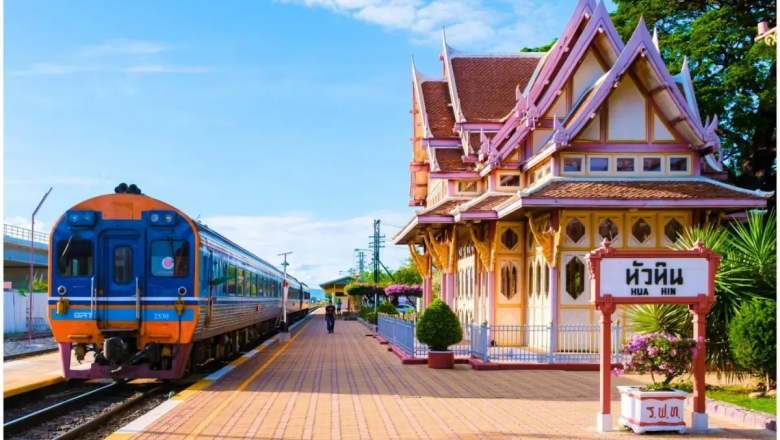
Ayutthaya is about 86 kilometres north of Bangkok by road. Trains from Krung Thep Aphiwat Central Terminal or Hua Lamphong reach Ayutthaya Railway Station in around 50 minutes to two hours, depending on the service. From the station, cross the river by local ferry or take a tuk-tuk to the main sites.
Driving or taking a private transfer usually takes 1.5 to 2 hours, depending on Bangkok traffic. The main approach uses established highways, including Highway 32, and roads around the city are generally paved. In Ayutthaya, rent a bicycle, hire a tuk-tuk or arrange a driver to connect temples on both sides of the river.
Things to See and Do in Ayutthaya
Main Highlights
Start at Wat Mahathat, known for a Buddha head held within the roots of a bodhi tree. Nearby Wat Ratchaburana is noted for its tall prang, while Wat Phra Si Sanphet stands out for its three bell-shaped chedis on the former royal grounds.
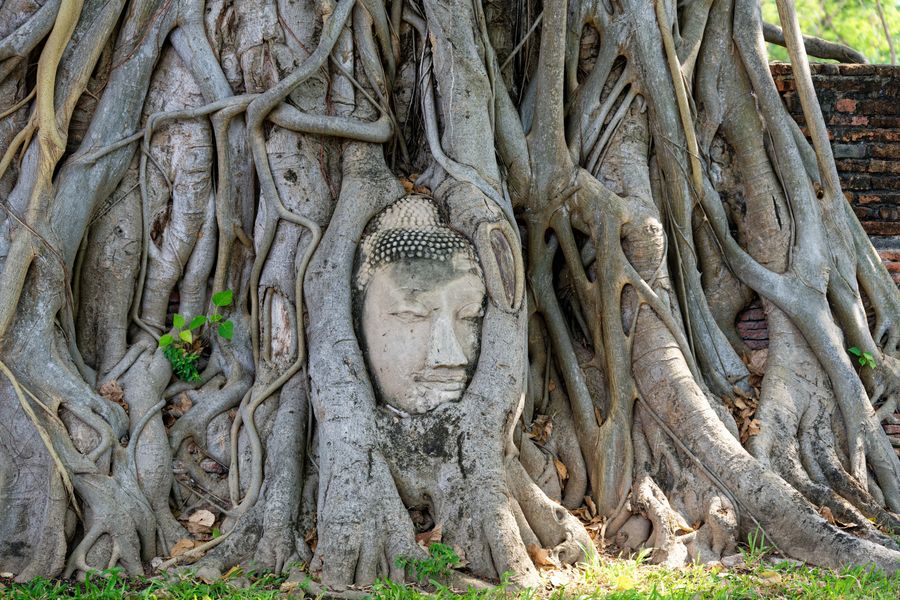
Iconic Buddha head statue nestled among tree roots at Wat Mahathat temple
Across the river, Wat Chaiwatthanaram is especially striking in late afternoon. Its central Khmer-style prang is framed by smaller towers and galleries. Other worthwhile stops include Wat Yai Chai Mongkhon, with its large chedi and rows of Buddha images, and Wihan Phra Mongkhon Bophit, home to a revered bronze Buddha.
Unique Details
Look beyond the famous photo spots. At Wat Mahathat, the tree roots frame the Buddha head; sit or crouch for photographs rather than posing above it. Across the park, compare tall Khmer-influenced prangs with rounded, bell-shaped chedis. The three rivers also shape the setting, and the light changes as you move between riverbanks and temple compounds.
Local Experience
Stop for a riverside meal of freshwater prawns, grilled fish or noodles. Try roti sai mai, a local sweet made by wrapping fine strands of coloured candy floss in thin roti; some vendors still prepare the sugar threads by hand.
A boat ride around the old island gives a different view of the temples and waterways. Local markets and small shops also show a side of the city beyond its ruins.
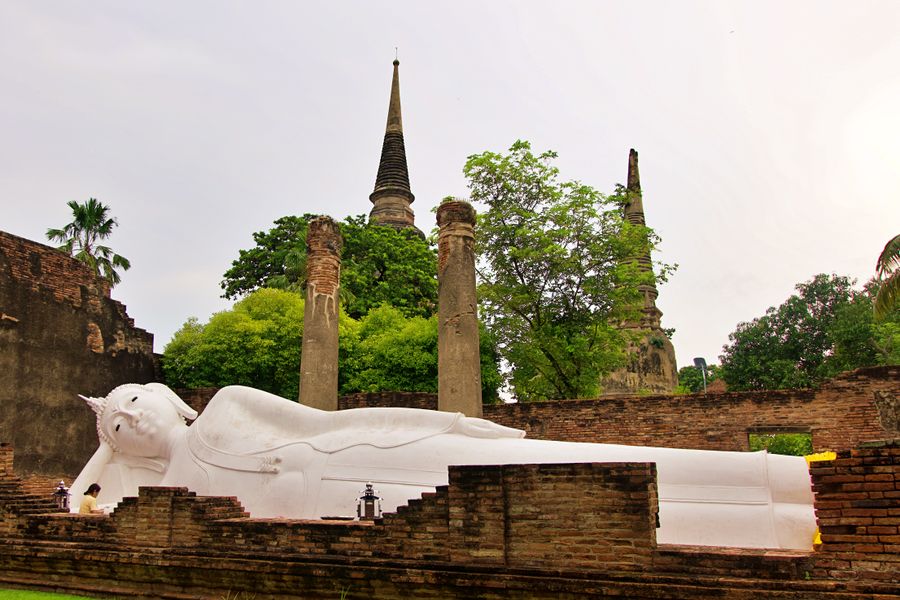
A serene image of a Buddha statue amidst the ancient ruins at Wat Yai Chai Mongkhon
Travel Tips
-
Entrance fees: For international visitors, the Fine Arts Department lists tickets at about 80 THB per monument, or 300 THB for a combined ticket covering seven sites. Fees can change, so check at the ticket counter before buying.
-
Time needed: Allow at least half a day for three or four major temples; a full day is better if you want to explore both sides of the river.
-
Clothing: Wear light, breathable clothes that cover your shoulders and knees when entering active temples. Choose comfortable walking shoes.
-
Safety: Stay on marked paths, avoid climbing fragile ruins and take care on steep or uneven brick steps. Keep valuables secure in busy areas.
-
Bring: Drinking water, sun protection, a hat, cash in small notes and a power bank. Shade is limited at many sites.
FAQs
How long should I spend in Ayutthaya?
A half-day covers two or three headline temples, but can feel rushed on a day trip from Bangkok. Allow a full day for the main historical sites, a river crossing and a local meal, with enough time to explore without watching the clock.
Is Ayutthaya suitable for families?
Yes. Older children may enjoy the open spaces, large Buddha images and stories behind the ruins. However, paths can be uneven, temple steps steep and the midday heat tiring. Families with young children should plan shorter stops, bring water and use a tuk-tuk between sites.
Can I visit Ayutthaya independently?
Yes. Trains make the journey from Bangkok straightforward, and local transport is available on arrival. The main challenge is the distance between monuments, especially outside the central island. A bicycle suits confident riders in cool weather; otherwise, agree on a tuk-tuk route and price before setting off.
Is Ayutthaya crowded?
The best-known temples become busier from late morning, especially at weekends and on public holidays. Arriving shortly after opening means quieter courtyards and softer light. Less-visited sites and riverside areas are usually calmer than the main temple cluster during peak travel periods.
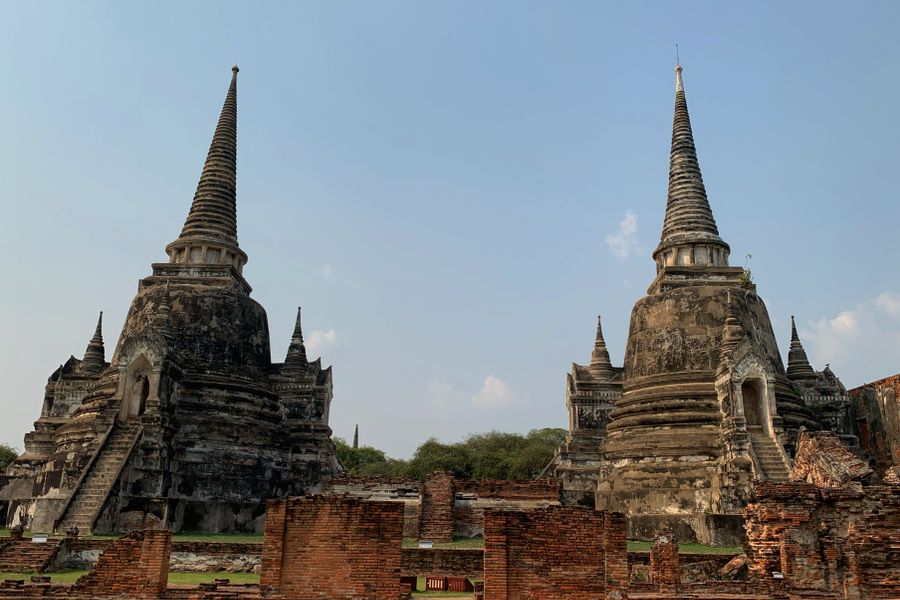
The magnificent setting of the historic Wat Phra Si Sanphet temple site
Conclusion
Ayutthaya brings Thailand’s past into view through monumental temples, river landscapes and details easily missed on a rushed visit. Go beyond the photo stops, taste roti sai mai and discover the stories behind the architecture. Plan your Ayutthaya journey with Asia King Travel and make time for the places that interest you most.