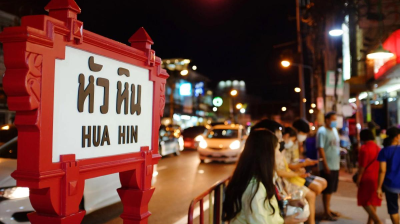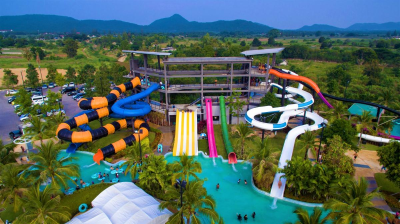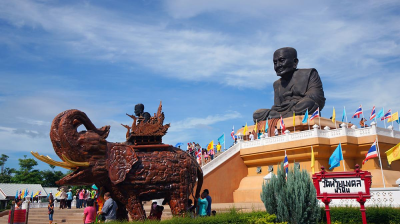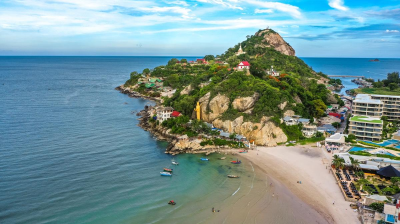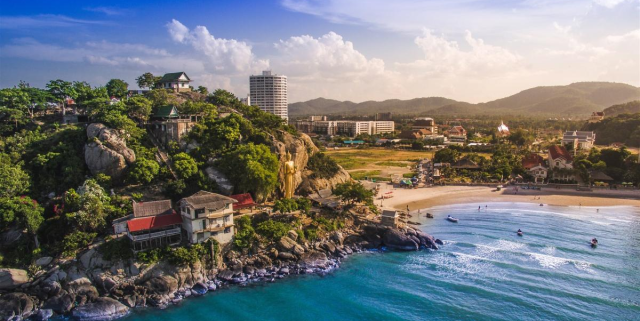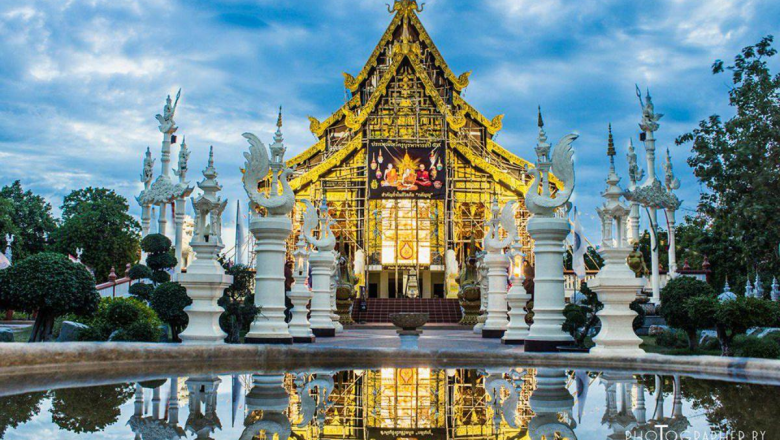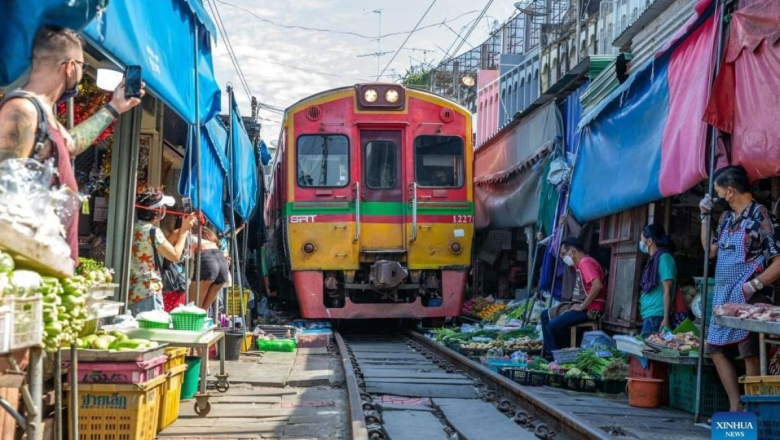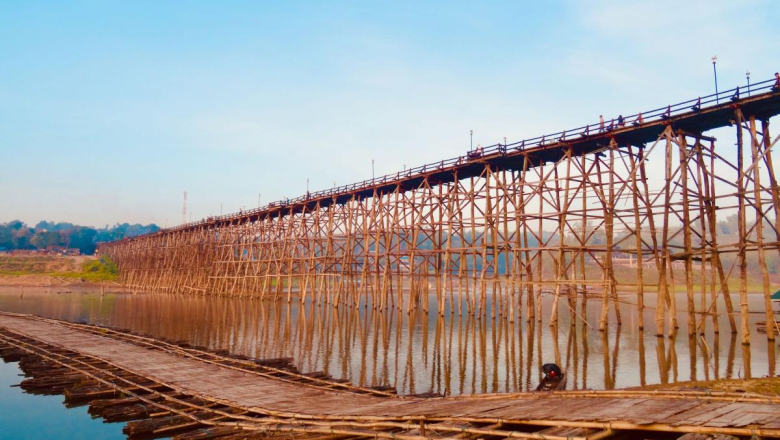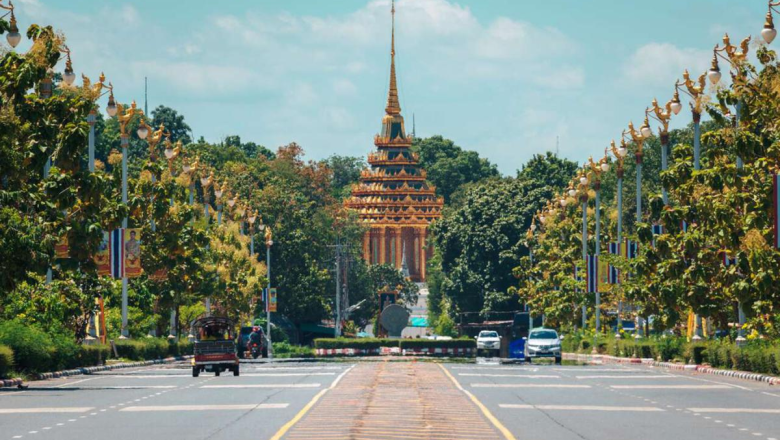
Located on the Gulf of Thailand, Hua Hin is one of the country’s most established seaside destinations. The coastal town lies within Prachuap Khiri Khan Province and is easily accessible from Bangkok, making it especially popular for weekend breaks, family holidays and relaxing beach stays.
Hua Hin combines a long sandy coastline with royal heritage, seafood restaurants, golf courses, temples, creative markets and nearby national parks. Compared with Thailand’s busier island destinations, the town offers a calmer atmosphere while still providing a wide range of accommodation and activities.
Visitors can spend the morning walking along Hua Hin Beach, explore a historic railway station in the afternoon and finish the day with seafood and shopping at a night market. The surrounding area also provides access to waterfalls, caves and protected forests.
Why Is Hua Hin Special?
Hua Hin is widely regarded as one of Thailand’s oldest beach resort towns. Its development as a seaside retreat was closely connected to the Thai royal family and the expansion of the railway south from Bangkok.
This history gives Hua Hin a character that is different from many modern beach resorts. Historic buildings and traditional neighborhoods remain alongside contemporary hotels, beach clubs and restaurants.
Another advantage is the town’s variety. Visitors can enjoy beach activities, horseback riding, golf, wellness treatments, local markets and day trips into the surrounding countryside. The Tourism Authority of Thailand highlights Hua Hin’s beaches, mountains, viewpoints, temples, markets and inland attractions as reasons the destination can be enjoyed throughout the year.
Top Attractions in Hua Hin
Hua Hin Beach
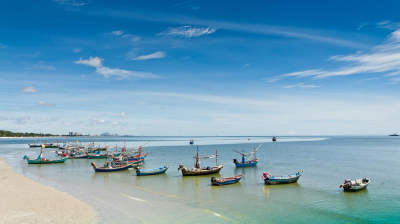
Hua Hin Beach is the town’s main attraction and extends for several kilometers along the Gulf of Thailand. The beach has soft sand, shallow coastal waters and plenty of space for walking, sunbathing and relaxing beside the sea.
Horseback riding is one of the activities most closely associated with Hua Hin Beach. Visitors will often see horses and their handlers near the central section of the beach, particularly during the cooler morning and late-afternoon hours.
The beach is also lined with seafood restaurants, hotels and resorts. Although the central area can become busy on weekends, quieter sections can be found farther from the town center. Hua Hin’s beach activities, seaside dining and resort facilities are among the destination’s main attractions.
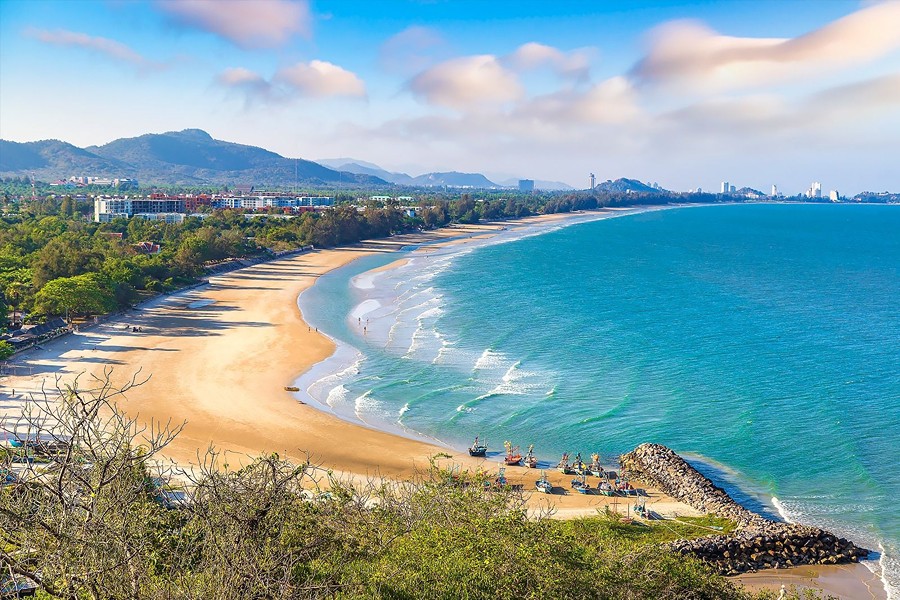
Hua Hin Beach offers a relaxing stretch of sand within easy reach of Bangkok.
Hua Hin Railway Station
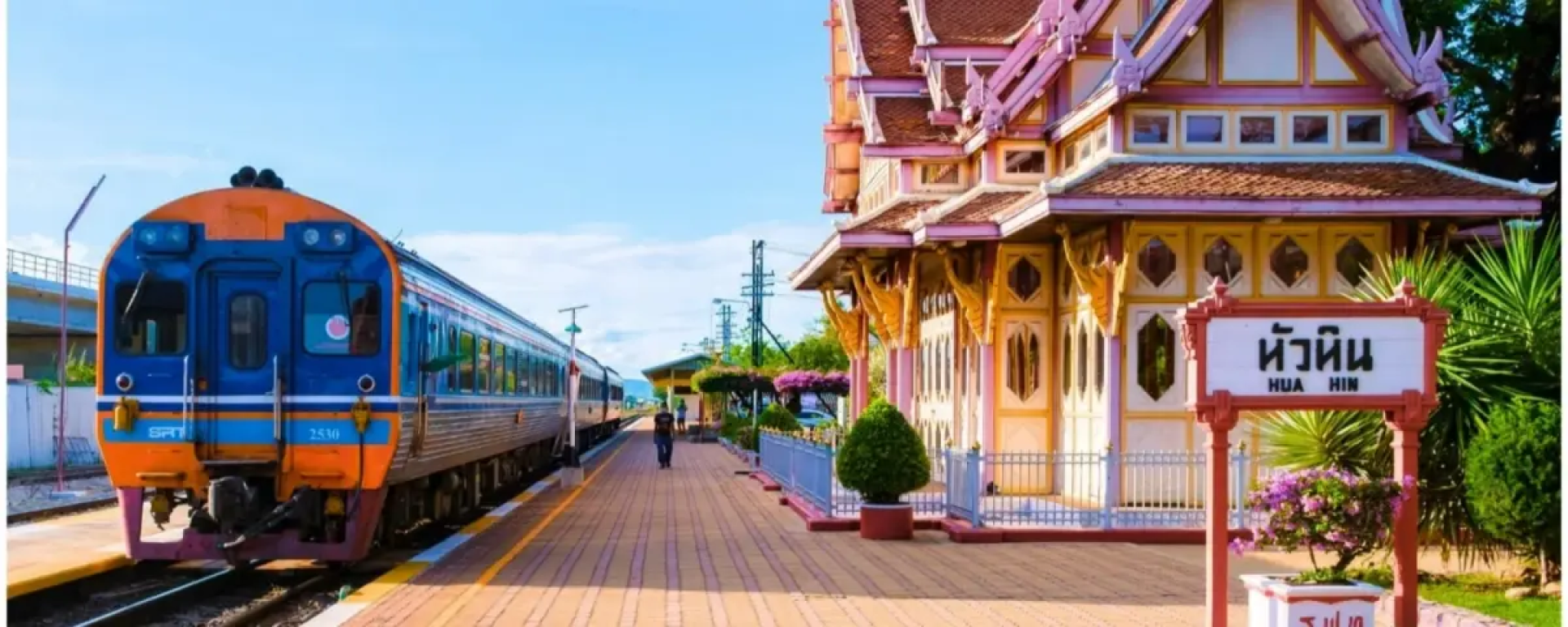
Hua Hin Railway Station is one of the town’s most recognizable landmarks. Its elegant Thai-style architecture, red-and-cream color scheme and historic royal waiting pavilion reflect the early development of Hua Hin as a prestigious seaside destination.
The station remains an important symbol of the town’s connection with rail travel and royal history. Visitors often stop here to admire the architecture and take photographs, even when they are not traveling by train.
The station can be visited quickly and is conveniently located near the town center. It works well as part of a short sightseeing route that also includes the night market and nearby local streets. The Tourism Authority of Thailand lists the railway station as one of Hua Hin’s principal highlights.
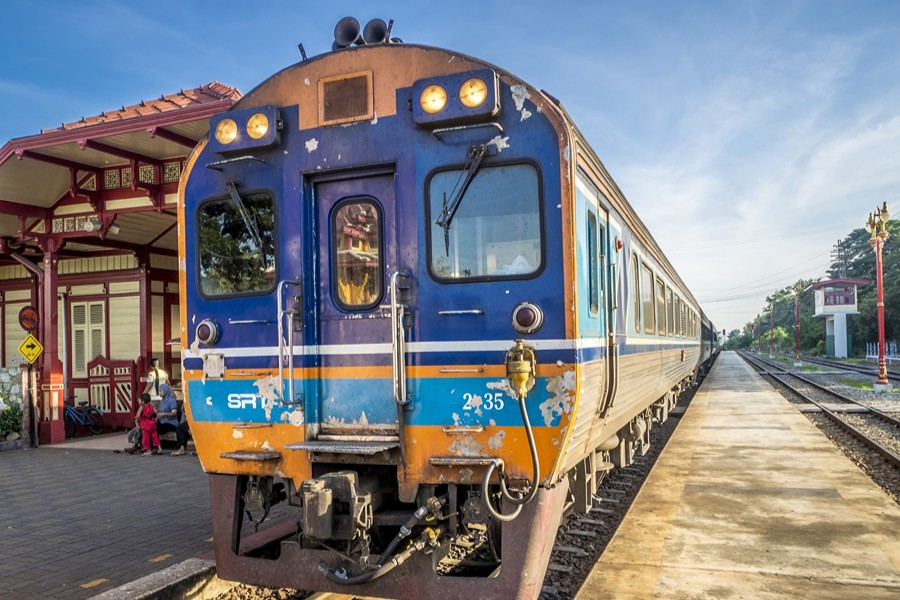
The historic Hua Hin Railway Station reflects the town’s royal and railway heritage.
Khao Takiab
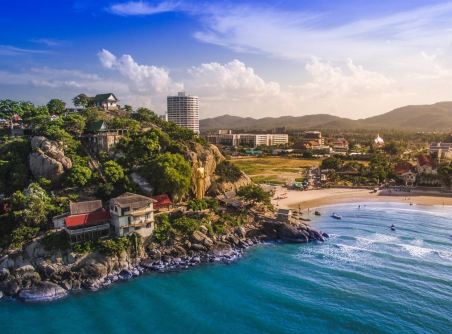
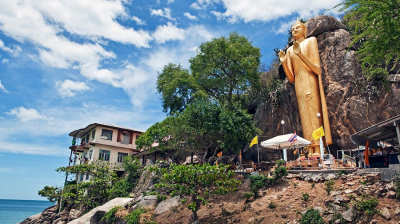
Khao Takiab, also known as Chopstick Hill, rises at the southern end of Hua Hin Beach. The hill is home to a Buddhist temple and offers elevated views over the coastline and nearby fishing communities.
Visitors can climb the stairs to explore the temple and enjoy the sea view. Monkeys are commonly seen around the hill, so food and loose belongings should be kept secure.
The nearby Takiab Bay is generally quieter than central Hua Hin Beach. The area includes seafood restaurants, small hotels and space for beach activities such as horseback riding. Takiab Bay and its hilltop temple are among the coastal highlights recommended by Thailand’s official tourism authority.
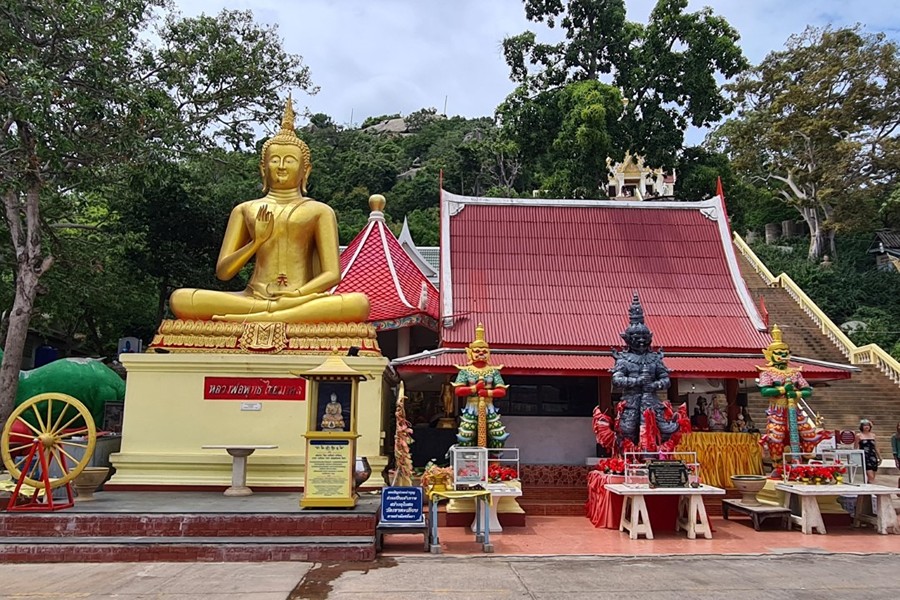
Khao Takiab combines a hilltop temple with panoramic views of the Hua Hin coastline.
You may like: Bangkok & Hua Hin Family Tour 9 Days
Cicada Market
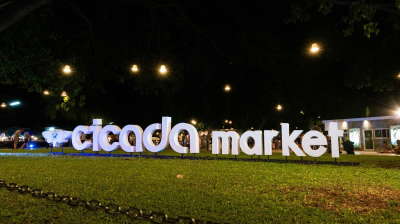
Cicada Market is a creative weekend market known for art, handmade products, clothing, decorative items and live performances. Its open-air layout and relaxed atmosphere make it different from a conventional souvenir market.
Visitors can browse work by local artists, listen to music and enjoy food in the surrounding market area. It is particularly suitable for couples, families and travelers interested in contemporary Thai creativity.
Cicada Market is normally included in weekend itineraries alongside Hua Hin Night Market and other cultural attractions. Market days and operating hours can change, so visitors should confirm the latest schedule before traveling.
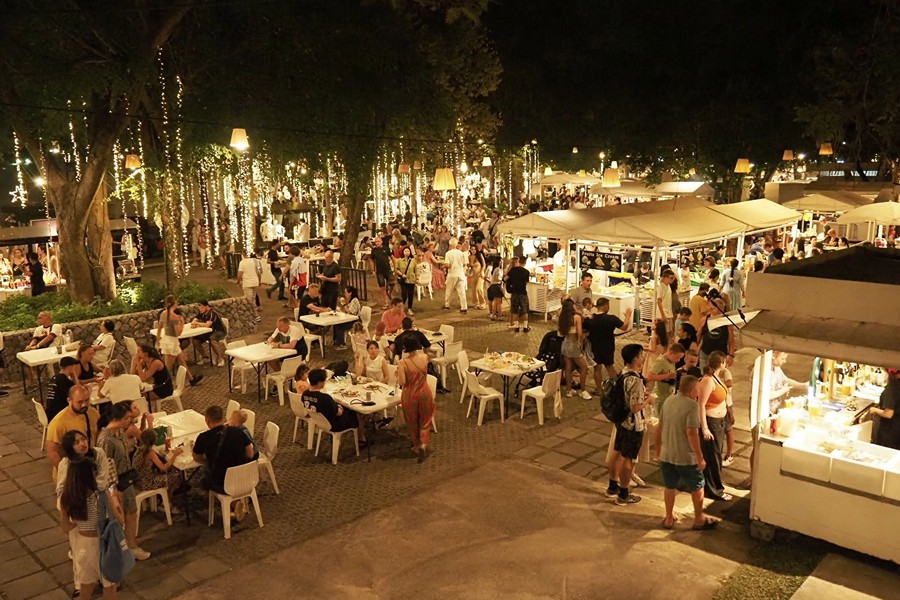
Cicada Market brings together local art, handmade products and evening entertainment.
Hua Hin Night Market
Hua Hin Night Market is one of the town’s most popular evening attractions. Stalls sell seafood, Thai dishes, desserts, clothing and souvenirs along a lively street in the center of town.
Fresh seafood is one of the main reasons to visit. Restaurants display fish, prawns, squid and shellfish that can be grilled or cooked to order. Prices and menus vary, so checking the cost before ordering is recommended.
The market is compact and easy to explore on foot. It is a convenient place to experience Hua Hin after sunset and sample several local dishes in one evening. The Tourism Authority of Thailand identifies it as an important landmark for food, desserts and shopping.
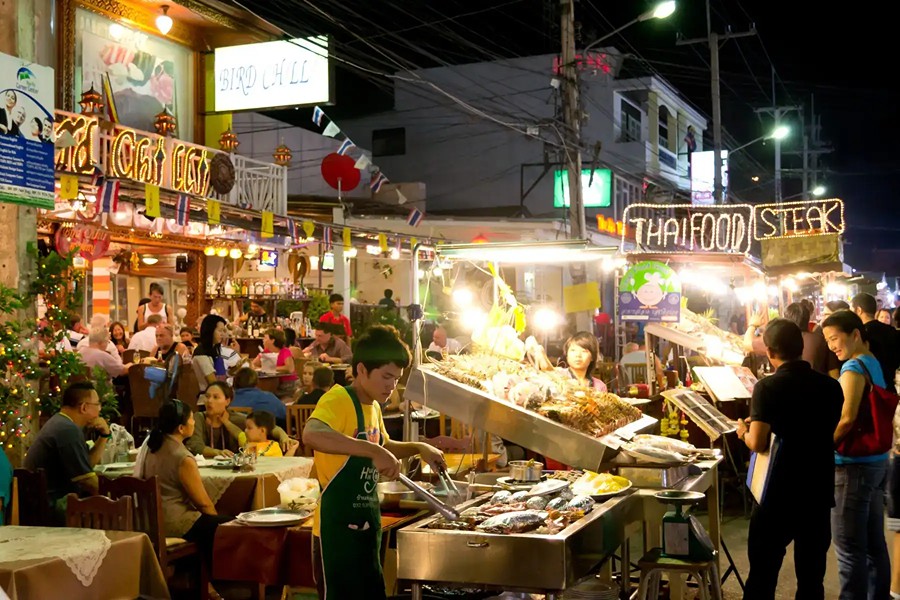
Hua Hin Night Market is a lively destination for seafood, street food and souvenirs.
Maruekhathaiyawan Palace
Maruekhathaiyawan Palace is situated between Hua Hin and Cha-am. This elegant seaside palace was constructed in 1923 under the command of King Rama VI and is known for its raised wooden buildings, covered walkways and airy coastal design.
The palace is often called the Palace of Love and Hope. Its teak structures were designed to allow natural ventilation while providing views toward the sea.
Visitors can walk through parts of the historic complex and learn more about Thailand’s royal seaside heritage. Opening arrangements may change because of conservation work or official activities, so checking access before visiting is advisable.
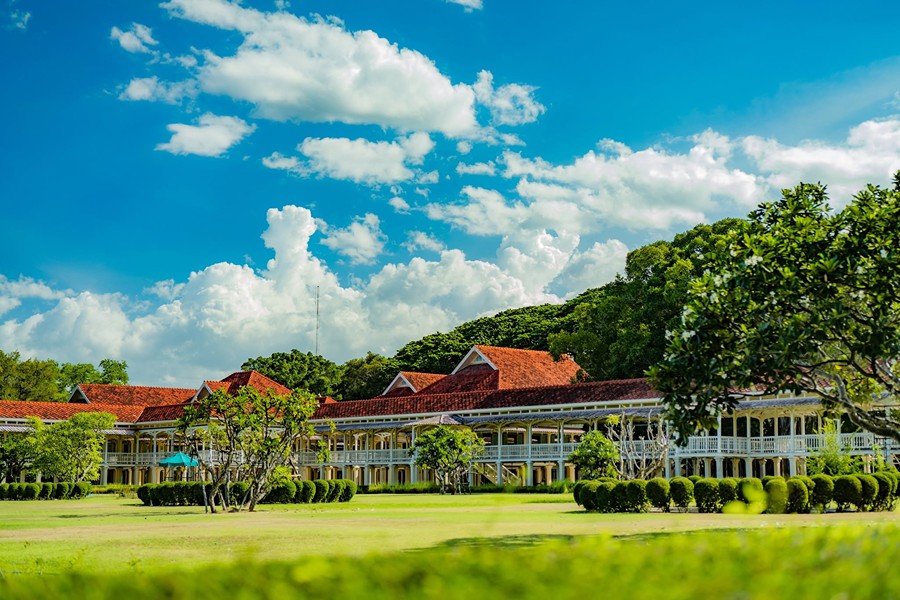
Maruekhathaiyawan Palace is admired for its graceful teak architecture and seaside setting.
Phraya Nakhon Cave
Phraya Nakhon Cave is located within Khao Sam Roi Yot National Park, south of Hua Hin. Its most famous feature is the Khuha Kharuehat Pavilion, a small royal pavilion positioned beneath a natural opening in the cave ceiling.
At certain times of day, sunlight enters the cavern and illuminates the pavilion, creating one of Thailand’s most memorable natural and architectural scenes.
Reaching the cave requires physical effort. Visitors normally travel to the national park, continue toward Laem Sala Beach and complete a steep hike to the cave. Comfortable shoes, drinking water and an early start are strongly recommended.
Khao Sam Roi Yot is known for its limestone peaks, caves, wetlands and birdlife, making it one of the most rewarding nature excursions from Hua Hin.
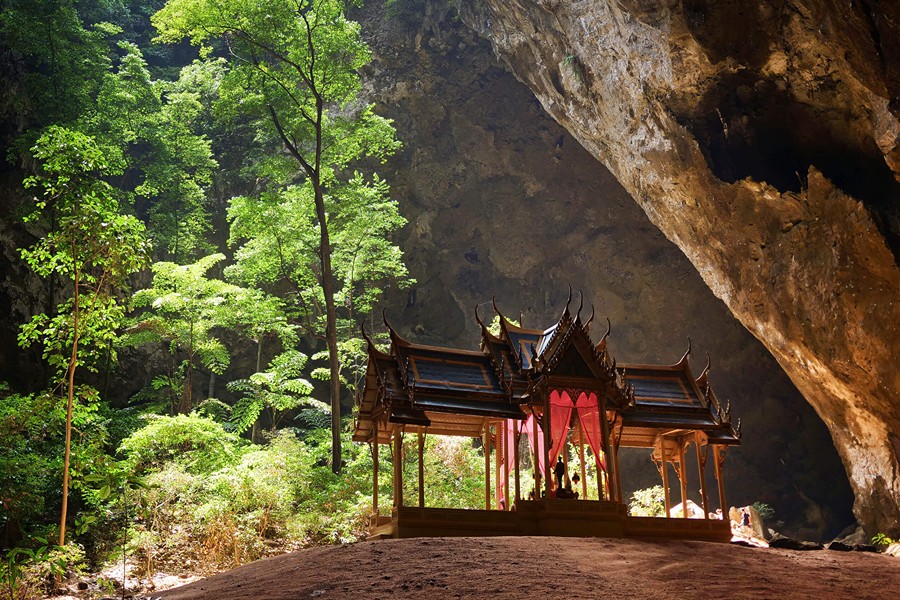
Sunlight illuminates the royal pavilion inside the dramatic Phraya Nakhon Cave.
Pa La-U Waterfall
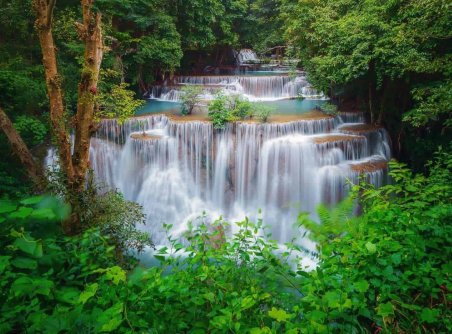
Pa La-U Waterfall lies within the wider Kaeng Krachan forest area west of Hua Hin. The waterfall has multiple levels surrounded by dense forest and is also known as a butterfly-watching location.
The journey from Hua Hin takes visitors away from the coast and into a greener, more mountainous landscape. Water levels and trail conditions depend heavily on the season, and some upper sections may be difficult to access.
Kaeng Krachan Forest Complex is a UNESCO World Heritage property covering extensive forest areas in western Thailand. It supports exceptional biodiversity across rugged mountains and tropical forest habitats.
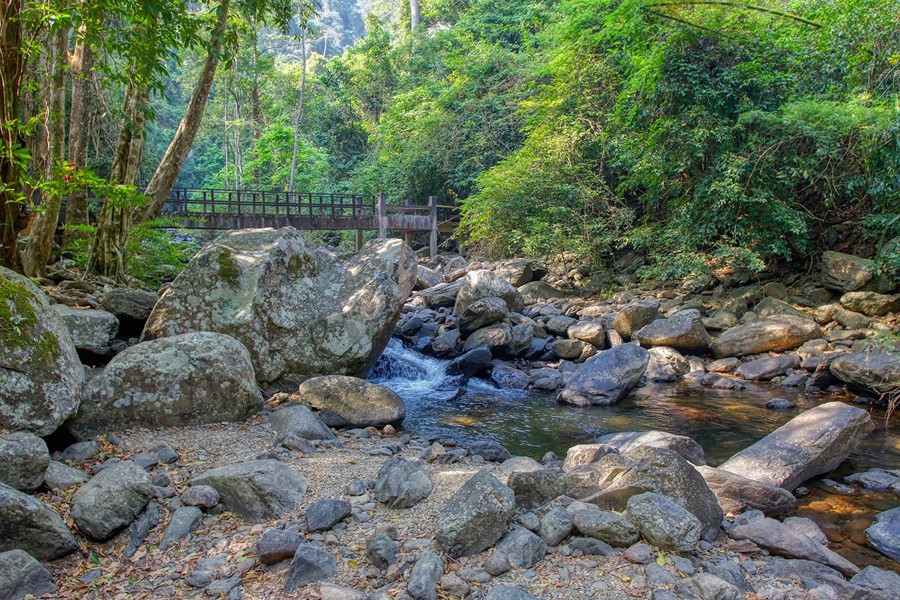
Pa La-U Waterfall provides a refreshing nature escape from Hua Hin’s coastline.
Food in Hua Hin
Grilled Seafood
Seafood is central to Hua Hin’s food scene. Grilled prawns, squid, fish, crab and shellfish are widely available at night markets and coastal restaurants.
Meals are often served with spicy seafood sauce made from lime, chili, garlic and fish sauce. Prices depend on the type and weight of the seafood, so visitors should confirm the total before ordering.
Som Tam and Grilled Chicken
Som tam, or green papaya salad, is a refreshing choice in Hua Hin’s warm climate. It is commonly served with sticky rice and grilled chicken.
Travelers who are sensitive to spicy food can request fewer chilies. Different regional versions may include salted egg, seafood or fermented fish.
Thai Seafood Fried Rice
Seafood fried rice is an easy and widely available meal for visitors. It normally combines rice with egg, vegetables and prawns, crab or squid.
The dish is mild compared with many Thai curries and is therefore suitable for travelers who prefer less spicy food.
Roti and Mango Sticky Rice
Hua Hin’s markets offer many simple desserts, including crispy roti with condensed milk and mango sticky rice served with coconut cream.
These sweets are convenient to share while walking through the night market or exploring the town after dinner.
What Is the Best Time to Visit Hua Hin?
Hua Hin can be visited throughout the year, but the period from November to February usually provides the most comfortable conditions. Temperatures are milder, humidity is lower and outdoor sightseeing is more pleasant.
March to May is hotter, particularly around midday. Beach activities are still possible, but sightseeing should be planned for the morning or late afternoon.
Rainfall becomes more frequent during the monsoon period. Showers are often temporary, although sea conditions and outdoor excursions can be affected. Travelers visiting waterfalls may find greener scenery and stronger water flow, but trails can also become slippery.
Hua Hin remains a year-round destination because it offers beaches, markets, restaurants, spas and indoor activities in addition to outdoor attractions.
How to Get to Hua Hin
H3: By Car
Driving from Bangkok is one of the most convenient options. The journey generally takes around three to four hours, depending on traffic.
A private vehicle is particularly useful for visiting attractions outside the town, including Pa La-U Waterfall, Cha-am and Khao Sam Roi Yot National Park.
H3: By Bus or Minivan
Buses and minivans operate between Bangkok and Hua Hin. Services usually depart from major transport terminals, although departure locations can change.
This is an affordable choice, but traffic around Bangkok and on weekend routes may increase the journey time.
H3: By Train
Traveling by train provides a slower but more atmospheric journey. Trains connect Bangkok with Hua Hin as part of Thailand’s southern railway route.
The train is especially appealing to travelers interested in arriving directly at the town’s historic railway station. Hua Hin is officially described as accessible by train, bus and car.
Travelling Costs in Hua Hin
Accommodation
Hua Hin offers a broad selection of accommodation:
-
Budget guesthouses: approximately 600–1,200 THB per night
-
Mid-range hotels: approximately 1,500–3,500 THB per night
-
Beachfront and luxury resorts: approximately 4,000 THB or more per night
Prices increase during weekends, Thai public holidays and the cooler high season.
Food
-
Street food and local dishes: approximately 50–120 THB
-
Casual restaurant meals: approximately 150–400 THB per person
-
Seafood and resort dining: approximately 500 THB or more per person
Fresh seafood is sometimes charged by weight, so the final price should be confirmed before cooking.
Transportation
-
Short local rides: approximately 100–250 THB
-
Motorbike rental: approximately 200–400 THB per day
-
Private day trips: depend on distance, vehicle type and itinerary
These prices are approximate and should be checked at the time of travel.
FAQs About Hua Hin
Is Hua Hin Worth Visiting?
Yes. Hua Hin is suitable for travelers looking for a convenient beach destination with comfortable hotels, local food, markets and cultural attractions.
How Many Days Should You Spend in Hua Hin?
A stay of two or three days is enough for the beach, markets and central attractions. Four or five days are better when including national parks, waterfalls or nearby Cha-am.
Is Hua Hin Suitable for Families?
Yes. The town has family-friendly resorts, beaches, markets and restaurants. Families should supervise children near roads, on the beach and around monkeys at Khao Takiab.
Can Hua Hin Be Visited as a Day Trip from Bangkok?
A day trip is possible, but the return journey can feel tiring. Staying for at least one night allows visitors to experience the night market and enjoy the beach in the cooler morning hours.
What Should You Pack for Hua Hin?
Bring lightweight clothing, swimwear, sunscreen, a hat and comfortable walking shoes. Modest clothing is needed for temples and royal sites.
Conclusion
Hua Hin combines the comfort of a developed seaside resort with the character of a historic Thai town. Its beaches, railway heritage, night markets, seafood restaurants and nearby natural attractions make it suitable for many types of travelers. For travelers searching for an accessible beach escape from Bangkok without traveling to an island, Hua Hin remains one of Thailand’s most complete coastal destinations.
You may like: Thai Greetings and Cultural Tips: How to Say Hello in Thailand?