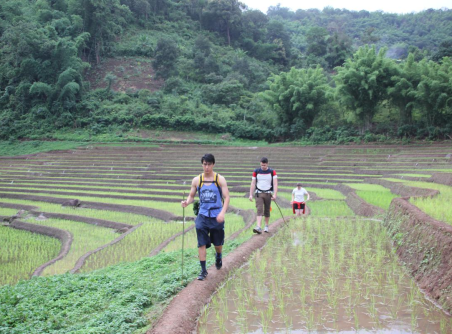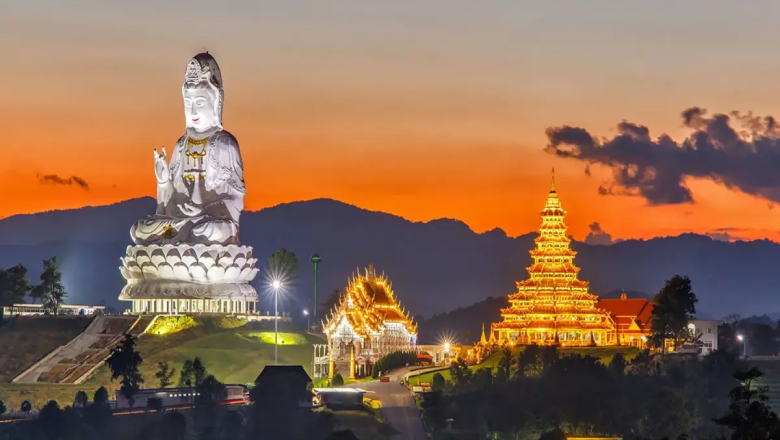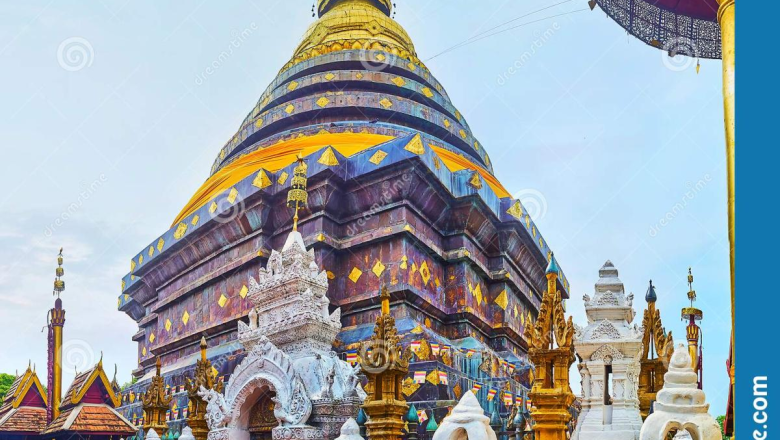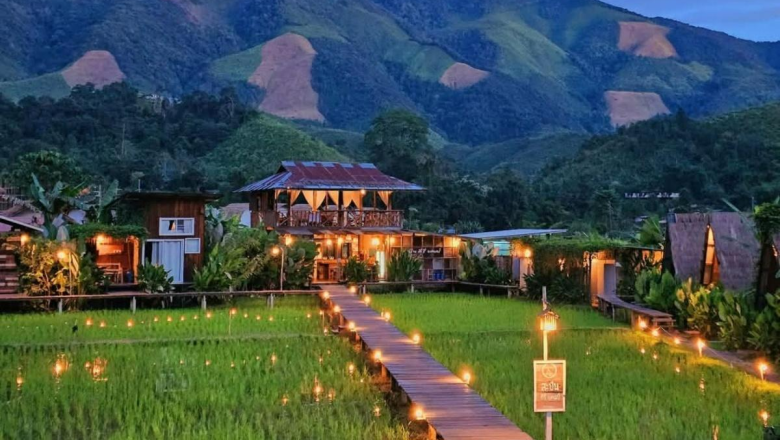
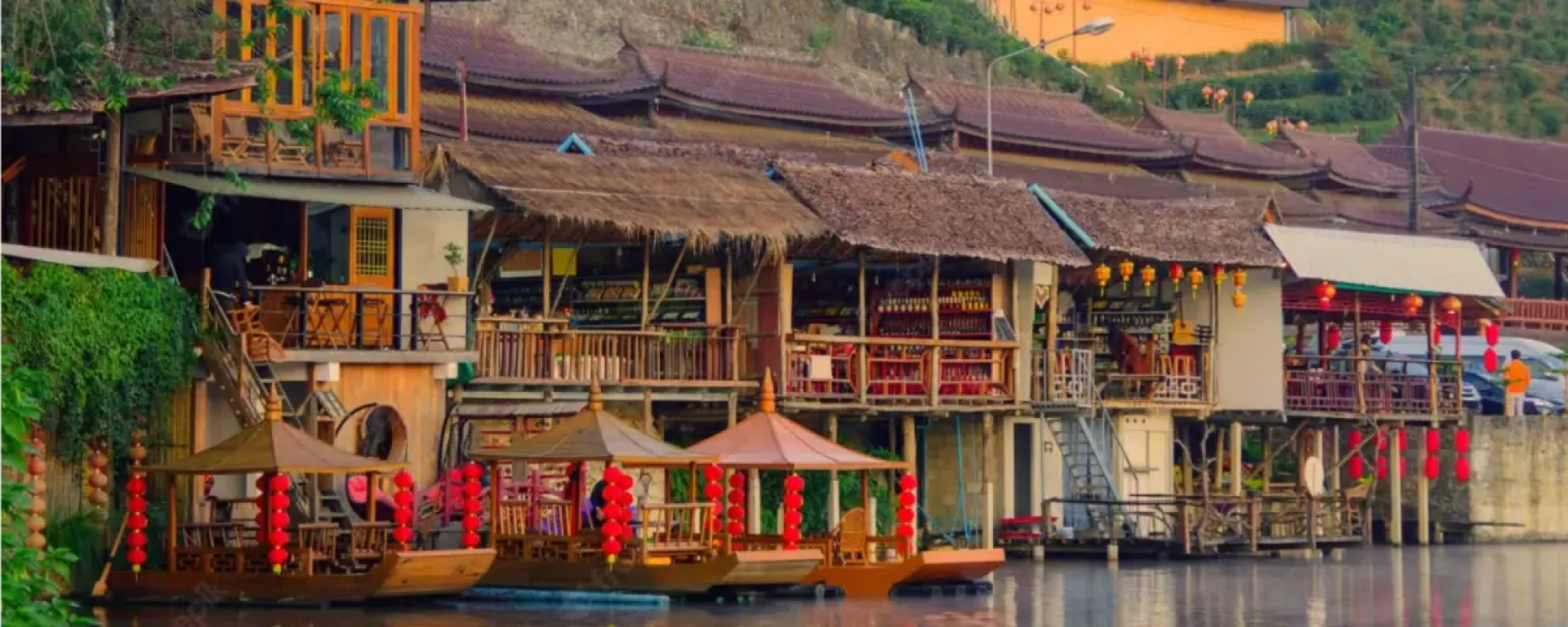
Located in far northwestern Thailand along the border with Myanmar, Mae Hong Son sits deep within a landscape of mountains, forests, and winding roads. Known for the 60-km Mae Hong Son Loop and its Shan cultural influence, the town shows a more rugged and less known side of Northern Thailand. Let’s explore its raw charm with Thai Unika Travel.
Why is Mae Hong Son special?
Mae Hong Son stands out for its geography with a dense network of high mountains and thick natural forests. Located along the border with Myanmar, the province feels physically and culturally distant from much of Thailand. This isolation has helped preserve its rugged landscapes. Everyone who once visited here must have known the Mae Hong Son Loop, famous for its 1,864 curves.
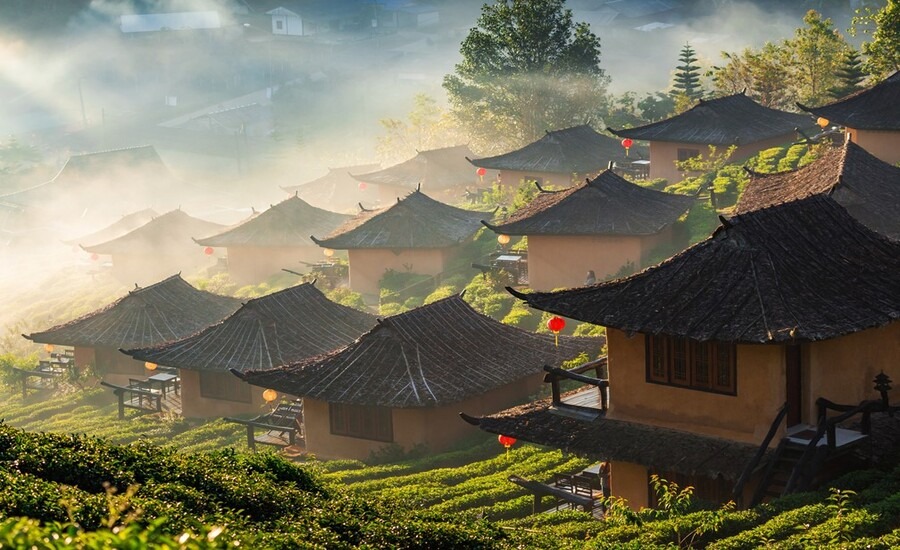
A glimpse of Mae Hong Son’s remote scenery
This sense of distance defines the travel experience. The loop connects remote towns, viewpoints, and valleys. Along the way, places like Ban Rak Thai, a tea-growing village near the border, showcase the region’s unique landscape and culture.
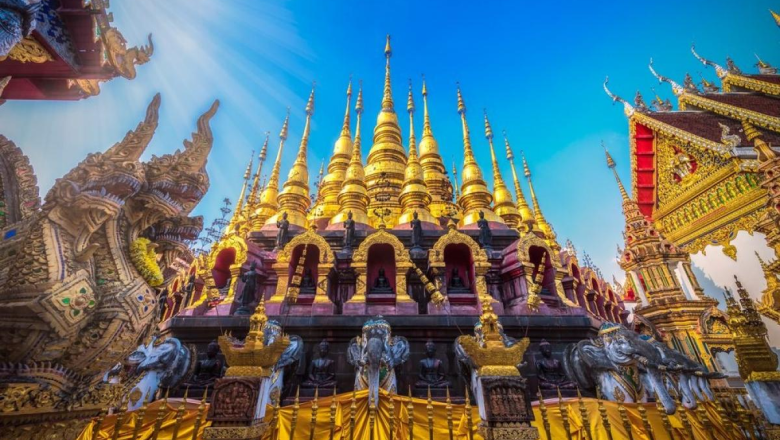
Mae Hong Son’s cultural identity is a combination of Myanmar and Shan traditions. This is visible in its architecture, especially at temples like Wat Phra That Doi Kong Mu, where Burmese-style design stands out from typical Thai temples.
The province is home to diverse hill tribe communities, like the Kayan people, often known as the Long Neck Karen. As one of Thailand’s least populated and most mountainous provinces, Mae Hong Son is for those who prefer a quieter and more authentic alternative to more developed destinations.
Top Attractions in Mae Hong Son
Mae Hong Son Loop
The Mae Hong Son Loop is less of a single attraction and more of a journey through the province itself. Stretching around 600 kilometers with over 1,800 curves, it winds through mountains, valleys, and small towns that feel far removed from the usual tourist routes.
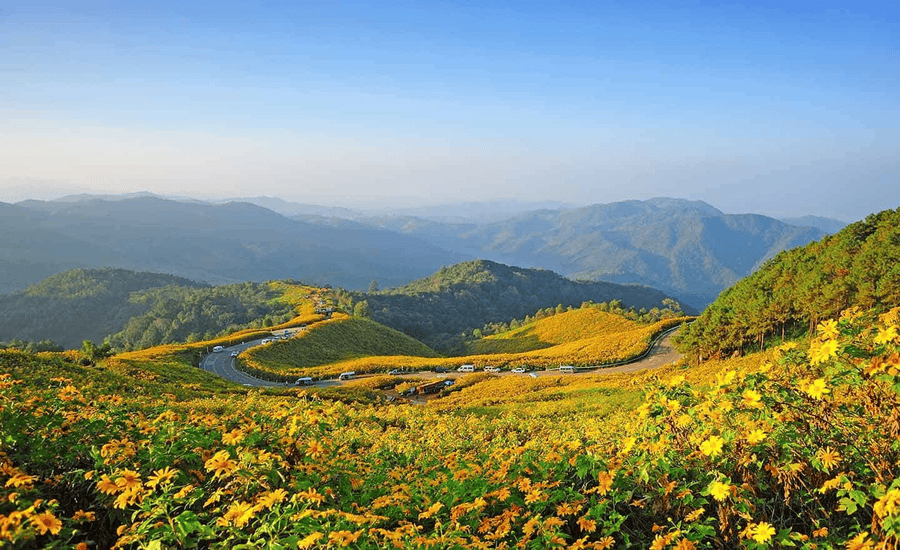
A scenic stretch of the Mae Hong Son Loop
Driving the loop is about taking your time. You move between viewpoints, quiet stops, and local villages, with the landscape constantly shifting along the way. It’s one of those routes where the experience builds gradually, rather than all at once.
Book your unforgettable Mae Hong Son Loop road trip here: Mae Hong Son 3 days 2 nights
Wat Phra That Doi Kong Mu
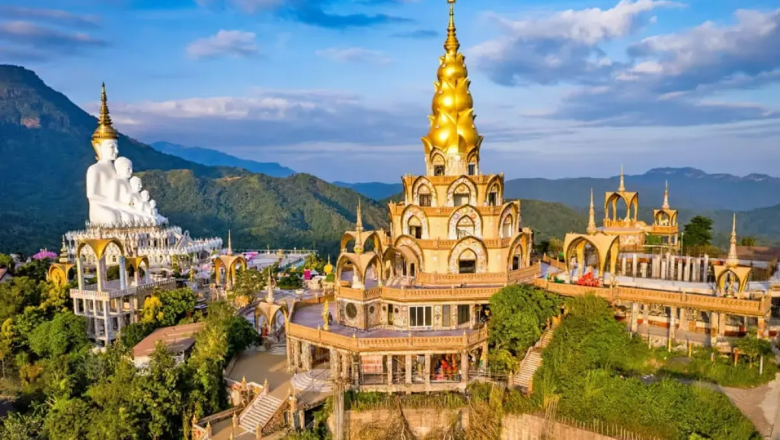
Wat Phra That Doi Kong Mu sits quietly on a hill above the town. From afar, you can just see two white chedis on its top with a style influenced by Burmese architecture. It’s one of the most recognizable landmarks in Mae Hong Son, both for its cultural role and its setting.
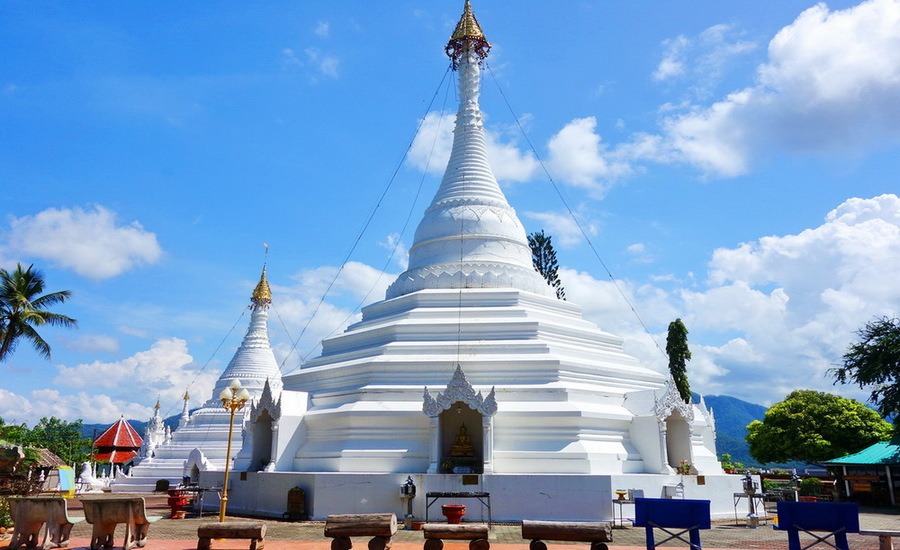
Iconic Wat Phra That Doi Kong Mu adds a religious touch to Mae Hong Son
The visit is simple but rewarding. From the top, you can look out over the valley, especially during early morning or late afternoon when the light softens the landscape. It’s a place people come to pause rather than rush through.
Su Tong Pae Bridge
Su Tong Pae Bridge stretches quietly across rice fields, connecting a temple with a nearby village. Built from bamboo, it blends into the landscape and reflects the simple, everyday connection between local communities.
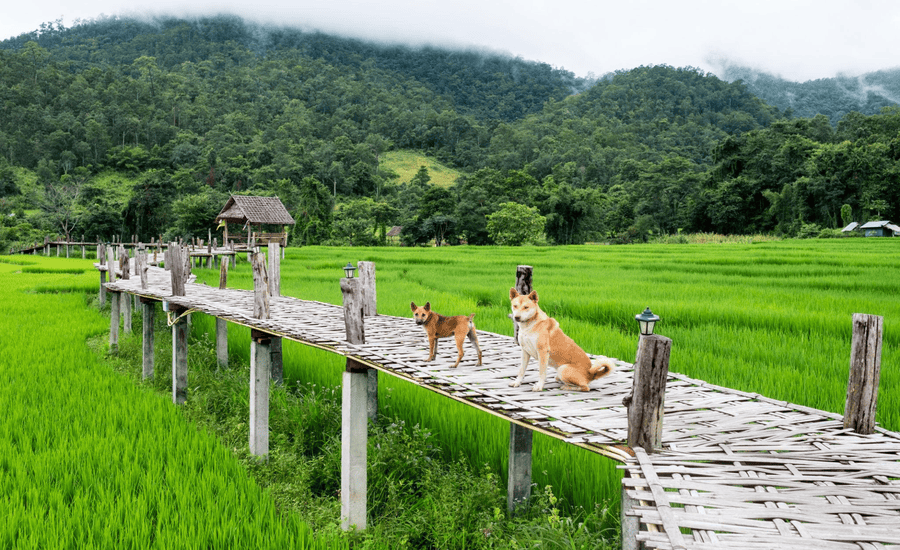
A quiet misty morning at Su Tong Pae Bridge
Walking across the bridge feels unhurried, especially in the early morning when monks pass by for alms. The surrounding fields shift with the seasons, so each visit carries a slightly different atmosphere. It’s less about the structure itself and more about the stillness and rhythm of life around it.
Ban Rak Thai
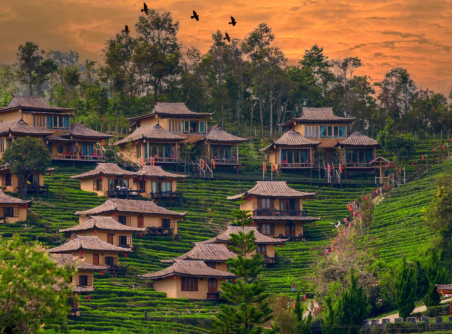
Ban Rak Thai sits near the Thai-Myanmar border, shaped by its Yunnanese roots and surrounded by tea plantations. The village gathers around a small lake, with houses and cafés facing the water, so the setting feels almost contained and still.
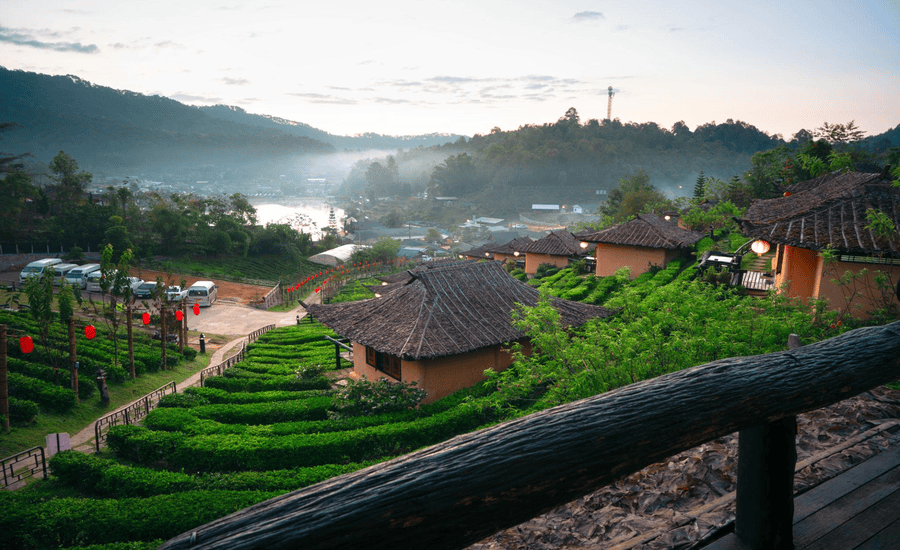
Tea plantations and calm scenery in Ban Rak Thai village
Spending time here feels naturally slow. Time here seems to flow on its own. You move between tea fields, lakeside views, and simple meals influenced by Chinese cuisine. The cooler air and quiet surroundings give it a distinct atmosphere that sets it apart from the rest of Thailand.
Pang Oung
Pang Oung, often called the “Switzerland of Thailand,” is famous for its still lake surrounded by pine forests and mountain scenery. Such geography makes the place feel cooler and more subdued than much of the country. The setting is simple, but the atmosphere shifts gently throughout the day.
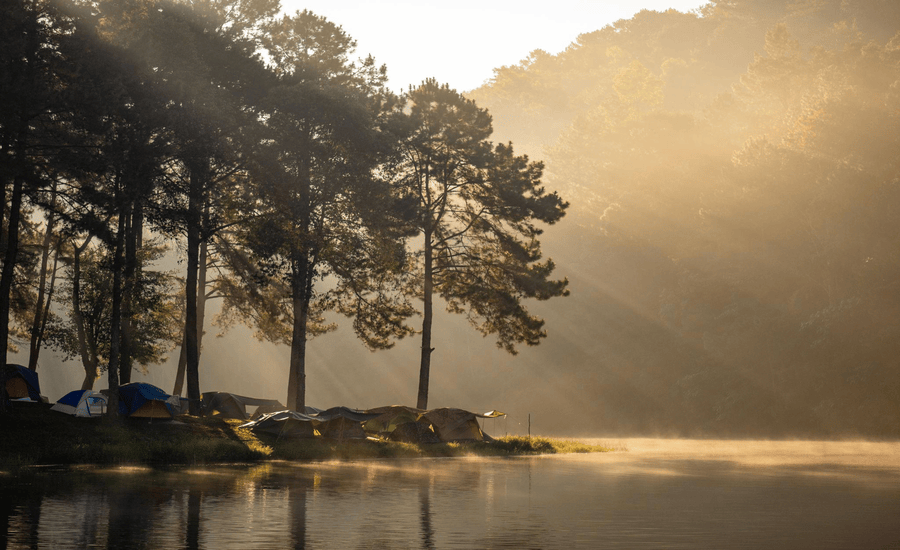
Mist rising over the lake at Pang Oung in the early morning
In the early morning, mist rises over the water and softens everything around it. People tend to move slower here, walking along the lake or staying overnight just to experience that quiet moment when the landscape is at its calmest.
Experiencing the rawest beauty of Mae Hong Son and Northern Thailand here: Mae Hong Son Highland Loops 15 Days
Food in Mae Hong Son
The cuisine of Mae Hong Son bears influences from both Shan and neighboring Myanmar traditions, known for hearty, savory flavors with a slightly smoky and herbal profile. Here are some must-try dishes for every visitor to Mae Hong Son.
Khao Soi Shan
Not far from that, Khao Soi Shan presents a lighter version of the well-known Northern Thai dish. The broth is clearer, with less coconut and a stronger herbal note that shifts the overall taste. It feels familiar, but not quite the same. That subtle difference shows how Mae Hong Son’s cuisine evolves through local influence rather than following a fixed style.
Nam Ngiao
Nam Ngiao is often the first dish you encounter, served in small, local eateries. Its tomato-based broth, combined with minced pork and herbs, brings a slightly tangy and deeper flavor than typical Thai noodle soups. It’s the kind of meal you sit down for without much planning. Simple, filling, and familiar to locals, it offers an easy entry point into the region’s food culture.
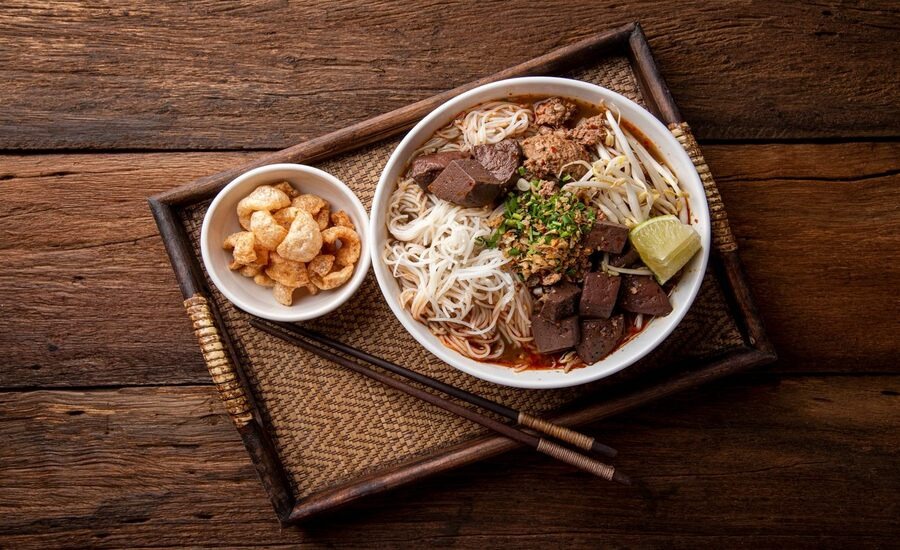
Simple, savory flavors that define Mae Hong Son’s food culture
Sai Oua
As you move through markets, Sai Oua tends to draw attention first by its aroma. Grilled over charcoal, the sausage carries the scent of lemongrass, lime leaves, and spices that lingers in the air. It’s usually eaten on the go, sliced and ready to share. Picking it up fresh from a stall becomes part of the experience, blending food with the pace of the street.
Tofu Shan Frit
Tofu Shan Frit appears in quieter corners, often at small stalls. Made from chickpea tofu and fried until crisp, it’s a simple snack that tells the everyday story of Shan cooking. It’s easy to carry and easy to eat, usually served with a light dipping sauce. A small dish, but one that rounds out the experience of eating your way through Mae Hong Son.
What is the best time to visit Mae Hong Son?
The best time to visit Mae Hong Son is from November to February, when the air is cooler with temperatures around 15 to 28°C. Mornings often begin with mist drifting over places like Pang Ung and Ban Rak Thai because the landscape is much quieter.
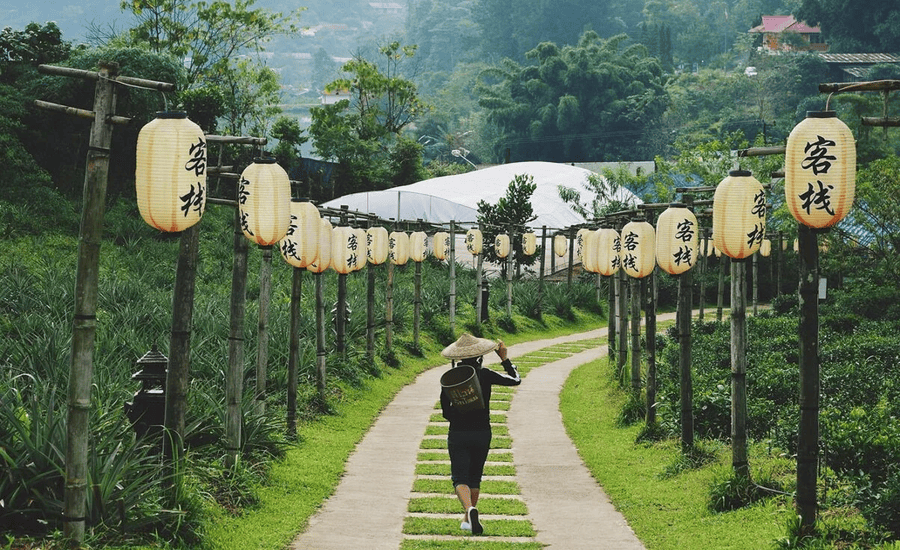
It’s best to visit Mae Hong Son from November to February
By March to May, the heat becomes more noticeable, especially along the winding roads of the Mae Hong Son Loop. The scenery remains the same, but the pace of travel tends to slow under the stronger sun.
During the rainy season from June to October, the mountains turn greener and more alive. Showers come and go, but they leave behind a landscape that feels fresh, with fewer visitors and a more uninterrupted sense of calm.
How to Get to Mae Hong Son?
Mae Hong Son is more remote than most Northern Thai destinations, and getting there is part of the experience. The journey often involves winding mountain roads, especially if you choose to travel overland.
By Air
The quickest way is to fly from Bangkok or Chiang Mai to Mae Hong Son Airport. Flights usually take around 1.5 hours from Bangkok and 40 minutes from Chiang Mai, followed by a short transfer into town.
By Road
Traveling by road is the most popular option, especially from Chiang Mai. The journey takes around 6-7 hours, following the famous Mae Hong Son Loop. You should enjoy the route slowly, with time for stops along viewpoints and natural scenery that unfold along the way.
By Bus or Van
Buses and vans run daily from Chiang Mai to Mae Hong Son, with travel times of around 7-8 hours. This is a more budget-friendly option, though the long, winding journey can feel more tiring compared to flying or driving yourself.
Travelling Costs in Mae Hong Son
Accommodation
Accommodation options range from simple guesthouses to boutique mountain stays.
- Budget guesthouses or hostels: 200-500 THB ($6-14 USD) per night
- Mid-range hotels or bungalows: 700-2,000 THB ($20-55 USD) per night
- Higher-end resorts or scenic stays: 2,500-4,000 THB ($70-110 USD) per night
Transportation
Getting around can cost slightly more due to distances and terrain.
- Budget local transport: 50-150 THB ($1.5-4 USD) per short trip
- Mid-range private taxis: 150-400 THB ($4-11 USD) for longer rides
- Flexible option: 200-400 THB ($6-11 USD) per day for motorbike rental, common for exploring the loop
Food
Food remains affordable, especially at local eateries and markets.
- Budget street stalls: 50-120 THB ($1.5-3.5 USD) per meal
- Mid-range local restaurants: 120-300 THB ($3-8 USD) per meal
- Higher-end restaurants: 300-600 THB ($8-17 USD) per meal
Entrance Fees
Most attractions are low-cost or free, especially natural and cultural sites.
- Temples and local spots: Free - 50 THB ($0-1.5 USD)
- Parks or viewpoints: 50-200 THB ($1.5-6 USD)
- Specific attractions or guided experiences: 200-400 THB ($6-11 USD)
FAQs about Mae Hong Son
Is Mae Hong Son safe for tourists?
Yes, Mae Hong Son is considered a safe destination with a calm and relaxed atmosphere. It is less crowded than major tourist cities, and crime rates are generally low. Basic travel precautions are still recommended, especially when traveling on remote roads.
How long should a trip to Mae Hong Son be?
A trip of 3 to 4 days is ideal to experience the Mae Hong Son Loop, visit key attractions, and spend time in places like Ban Rak Thai or Pang Ung. If you prefer a slower pace, you can extend your stay to 4 to 5 days.
What should you pack for Mae Hong Son?
Bring light clothing for the day, but also a light jacket, as mornings and evenings can be cooler, especially in the mountains. Comfortable shoes, sunscreen, and rain protection (during the wet season) are also useful.
Are ATMs and WiFi available in Mae Hong Son?
ATMs are available in the town center but may be limited in more remote areas. WiFi is accessible in most hotels and cafés, though connections can be slower or less stable outside the main town.
Conclusion
If you are exploring Northern Thailand and want a destination that feels more remote and untouched, Mae Hong Son offers a different kind of journey. With its winding mountain roads, layered cultures, and slower pace, the experience unfolds gradually rather than all at once.
Start planning your trip with curated experiences by Thai Unika Travel and discover how Mae Hong Son can perfectly fit into your Northern Thailand itinerary.
Explore more lesser-known gems in Thailand here: Off-the-beaten-track tours