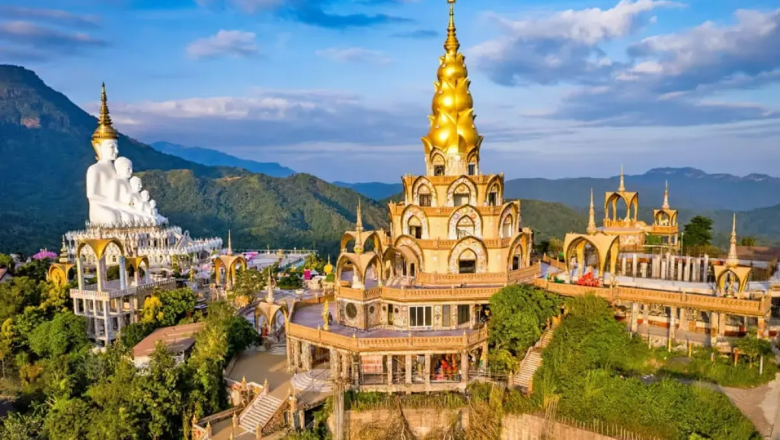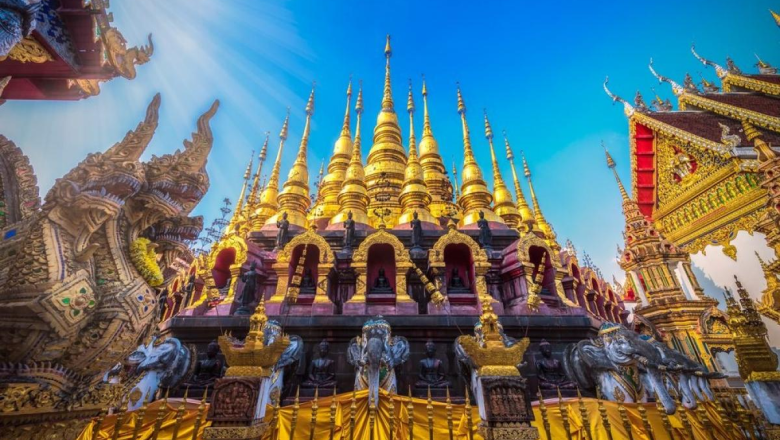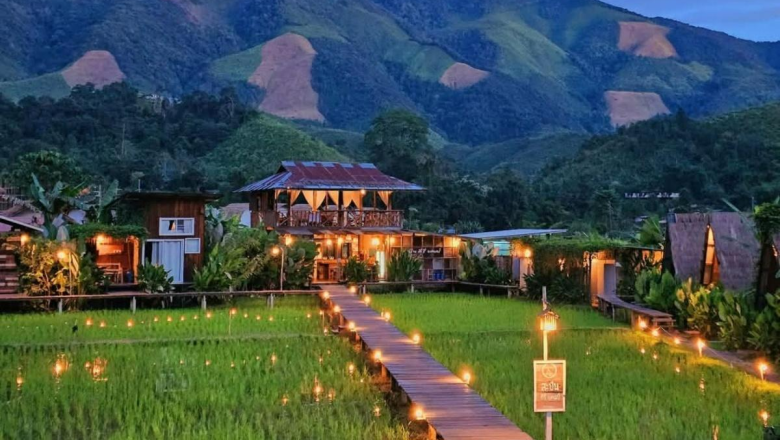
Located in central Thailand, around 220 kilometers northwest of Bangkok, Uthai Thani is a peaceful destination filled with glittering temples, limestone mountains, ancient forests, and traditional riverside communities.
Unlike Thailand’s famous tourist cities, Uthai Thani remains quiet and largely untouched by mass tourism. Travelers come here to slow down, explore unusual natural landscapes, and experience the gentle rhythm of local life.
From the dazzling Crystal Temple of Wat Tha Sung to the prehistoric-looking forest of Hup Pa Tat, Uthai Thani offers a rewarding escape for anyone looking to discover a lesser-known side of Thailand.
Why Is Uthai Thani Special?
Uthai Thani is special because it combines cultural heritage, local traditions, and remarkable nature within one relatively compact province.
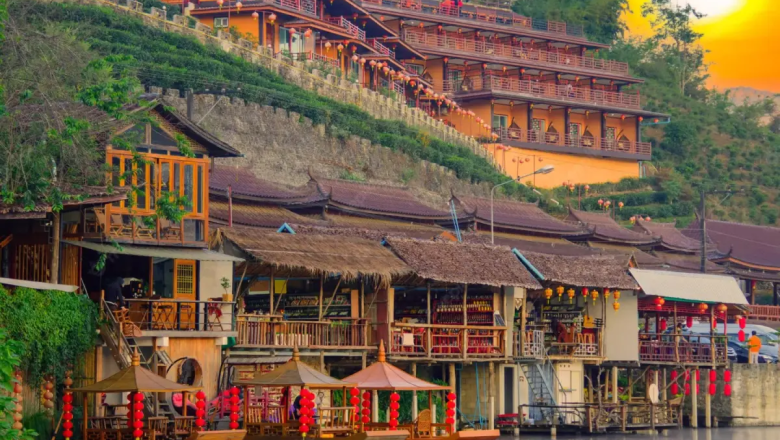
The town developed along the Sakae Krang River, where floating houses and riverside communities continue to reflect a traditional way of life. Around the province, visitors can find ornate Buddhist temples, old wooden buildings, rural villages, caves, forests, and wildlife conservation areas.
The destination is particularly suitable for slow travel. Instead of rushing between crowded attractions, visitors can spend time walking along the river, exploring local markets, visiting peaceful temples, and enjoying the surrounding countryside. It is also home to part of the Thungyai–Huai Kha Khaeng Wildlife Sanctuaries, a UNESCO World Heritage Site recognized for its exceptional biodiversity and important populations of wild animals.
Top Attractions in Uthai Thani
Wat Tha Sung
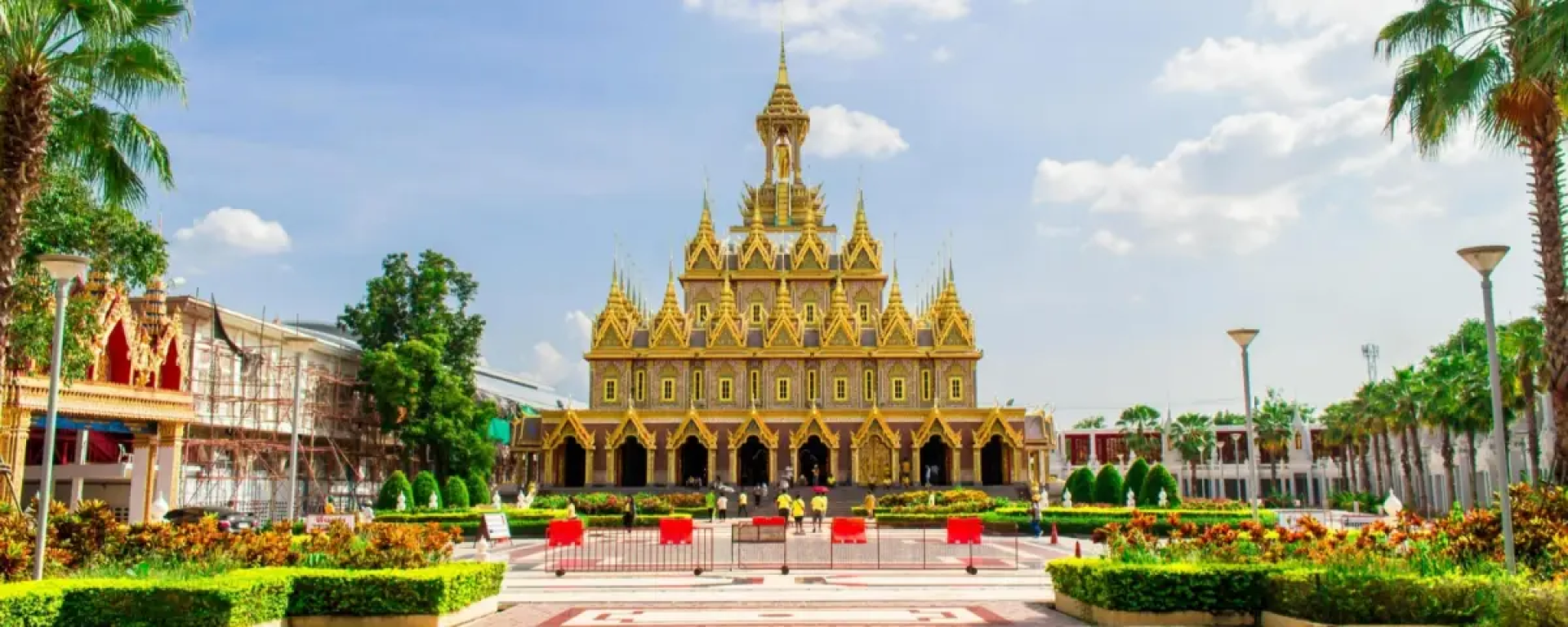
Wat Tha Sung, officially known as Wat Chantharam, is the most famous temple in Uthai Thani. Its main highlight is the Crystal Sanctuary, a spectacular hall decorated with mirrored columns, glass mosaics, chandeliers, and golden Buddha images.
The reflective surfaces create an extraordinary visual effect as light travels across the hall. Although it is often called the Crystal Temple, Wat Tha Sung is a large religious complex containing several halls, towers, shrines, and monuments.
Visitors should dress modestly and check the opening periods of the main halls before arriving, as some sections may close during the middle of the day.
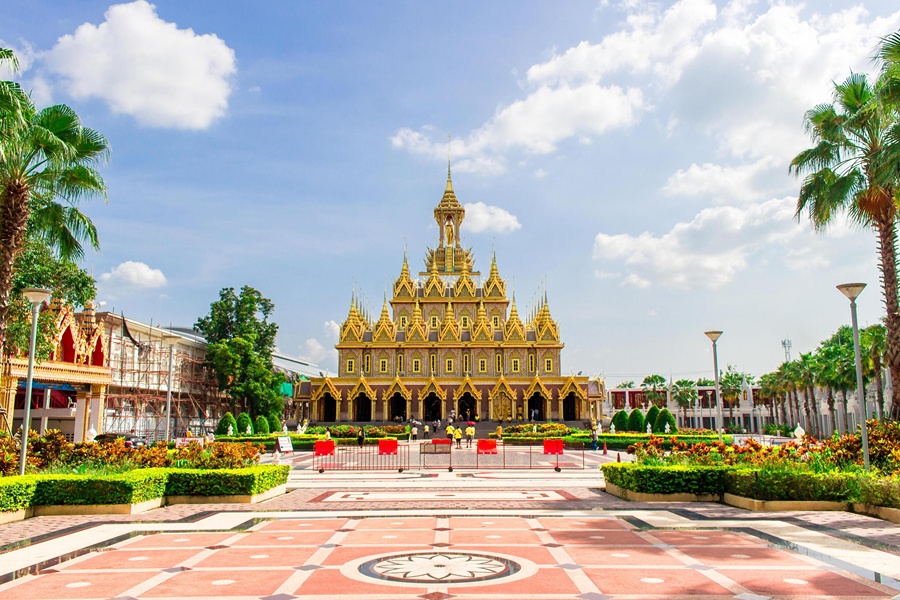
Wat Tha Sung - one of Uthai Thani’s most memorable landmarks
Hup Pa Tat
Hup Pa Tat is one of the most unusual natural attractions in central Thailand. Visitors enter through a dark limestone cave before emerging into a hidden valley filled with towering palm-like Tat trees, moss-covered rocks, and dense vegetation.
The landscape is frequently compared to a prehistoric forest because the surrounding limestone walls have helped preserve its humid and isolated environment.
The walking route is around 700 meters in total and includes a short cave section. Flashlights are normally available near the entrance, although carrying a phone light is still useful. During humid periods, particularly toward the end of the rainy season, visitors may also see the rare pink dragon millipede associated with this area.
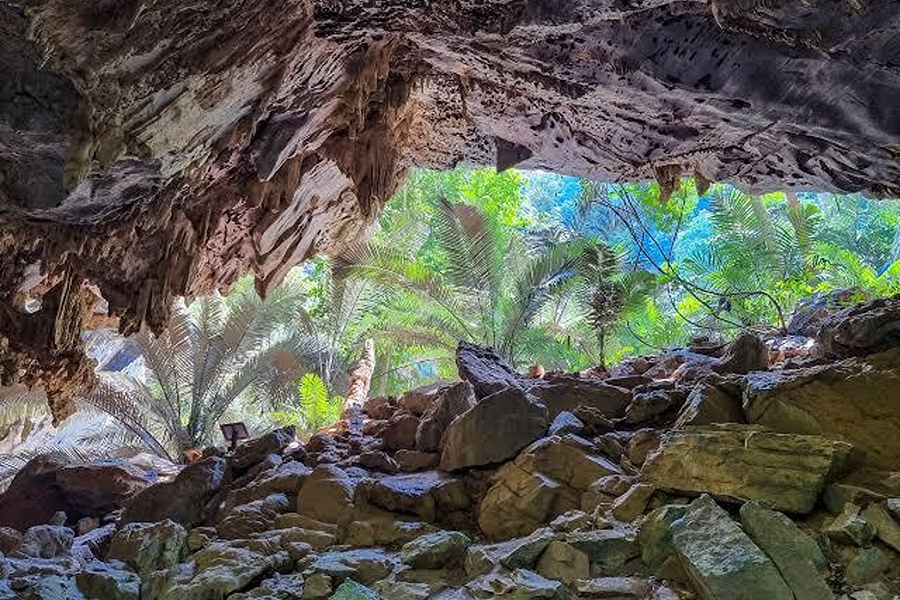
Travel through a limestone cave to discover the hidden prehistoric landscape of Hup Pa Tat.
Huai Kha Khaeng Wildlife Sanctuary
Huai Kha Khaeng Wildlife Sanctuary protects one of mainland Southeast Asia’s most important forest ecosystems.
Together with the neighboring Thungyai Naresuan Wildlife Sanctuary, it forms a UNESCO-listed natural area known for its biodiversity.
The forests support species such as elephants, wild cattle, deer, leopards, and tigers. However, this is primarily a conservation and research area rather than a conventional wildlife park, so animal sightings cannot be guaranteed.
Visitors can explore approved nature trails and educational areas while learning about forest protection and wildlife conservation. Access to certain parts of the sanctuary may be restricted, making it advisable to check local conditions before traveling.
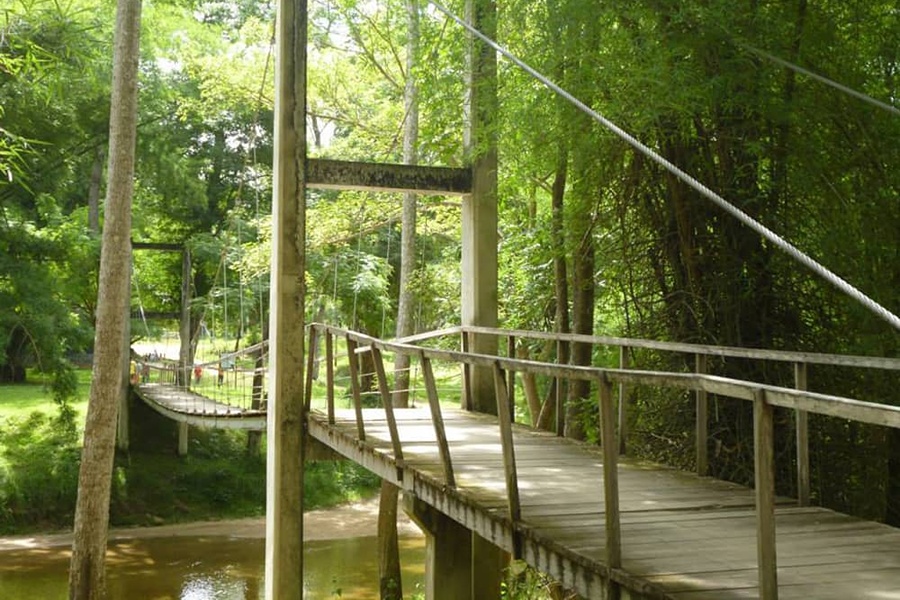
Huai Kha Khaeng protects one of Thailand’s richest and most important wildlife habitats.
Discover more beautiful Buddha statues in Thailand here: Top 5+ Most Stunning Buddha Statues in Thailand
Wat Tham Khao Wong
Surrounded by limestone mountains, Wat Tham Khao Wong looks more like a traditional Thai mansion than a typical temple.
The multi-level wooden building features carved balconies, sloping roofs, ornamental details, and a peaceful pond in front. Its warm wooden architecture contrasts beautifully with the rugged green mountains behind it.
The temple is especially attractive during the rainy season when the forest becomes greener and the surrounding landscape feels fresh and atmospheric.
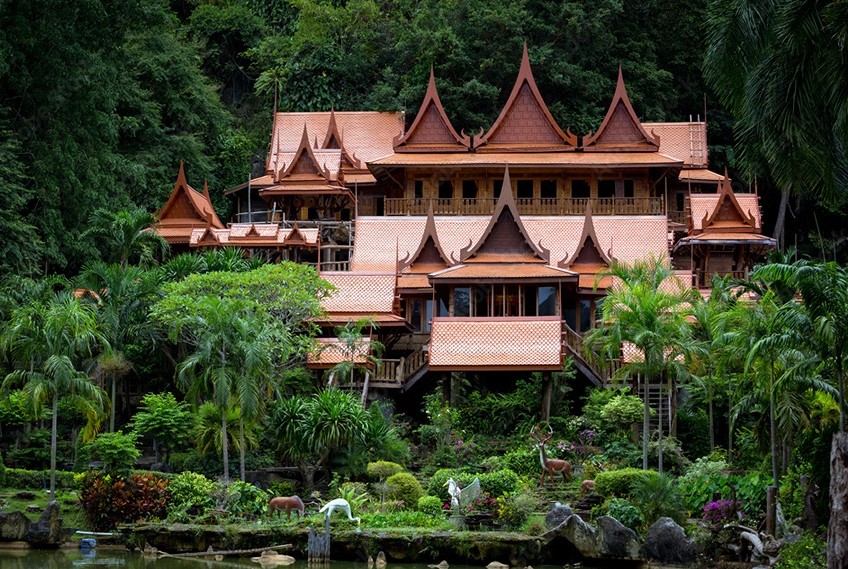
Wat Tham Khao Wong blends traditional wooden architecture with Uthai Thani’s limestone scenery.
Sakae Krang River
The Sakae Krang River is closely connected to the history and identity of Uthai Thani.
Traditional floating houses can still be seen along the water, while local residents continue to fish and maintain riverside lifestyles.
A boat trip provides a relaxing way to observe wooden homes, temples, gardens, and small communities from the river. Early morning and late afternoon are particularly pleasant because temperatures are cooler and the light is softer. Visitors staying in town can also walk near the riverfront and experience the calm atmosphere without taking a boat.
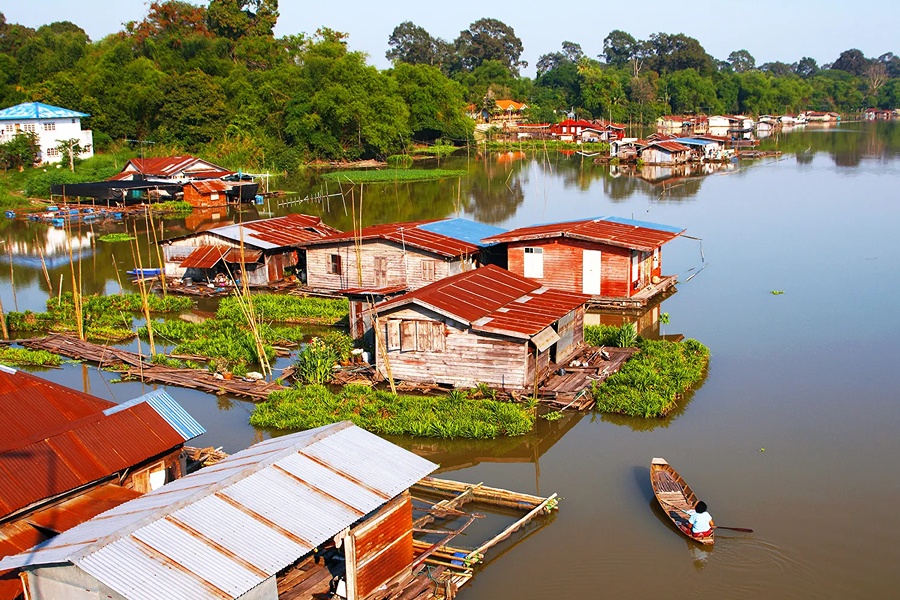
Traditional floating houses preserve the slow rhythm of life along the Sakae Krang River.
Rong Ya Walking Street
Rong Ya Walking Street occupies an old neighborhood that was once associated with Chinese merchants and historic trading houses.
Today, the restored street offers local food, traditional snacks, handicrafts, vintage objects, and community performances.
The market is generally held on weekends, although schedules may change during holidays or special events. It is an excellent place to meet local residents and try regional dishes in a friendly and relaxed environment.
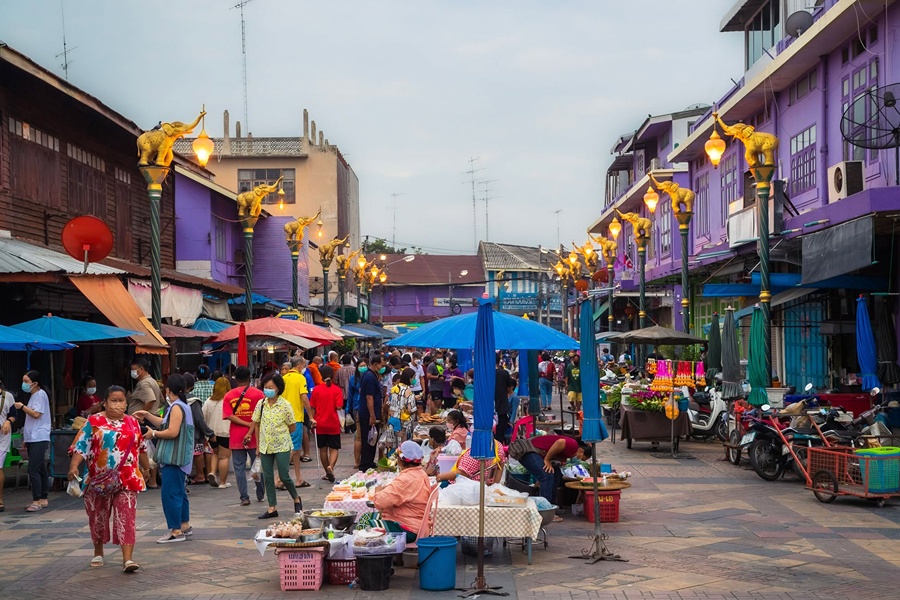
Rong Ya Walking Street brings together local food, heritage buildings, and community life.
Food in Uthai Thani
Pla Raet Tod Krathiam
Freshwater fish is an important part of Uthai Thani’s cuisine because of the province’s rivers and local fisheries.
Pla Raet Tod Krathiam consists of deep-fried giant gourami topped with crispy garlic. The fish has a crunchy exterior while remaining soft inside, and it is usually served with rice and a spicy dipping sauce.
Kuaitiao Kai
Kuaitiao Kai is a comforting noodle dish served with tender chicken, vegetables, and a flavorful broth.
Different restaurants prepare their own versions, sometimes adding braised chicken, chicken feet, herbs, or crispy toppings.
It is inexpensive, filling, and widely available in local restaurants.
Grilled River Fish
Grilled freshwater fish is another simple but popular local meal.
The fish is normally seasoned lightly and cooked over charcoal, allowing its natural flavor to remain the main focus.
It is often served with vegetables, herbs, sticky rice, and a spicy sauce.
Traditional Thai Sweets
Local markets sell a variety of coconut-based desserts, sticky rice snacks, crispy pancakes, and seasonal sweets.
Rong Ya Walking Street is one of the best places to sample several small portions while exploring the old town.
What Is the Best Time to Visit Uthai Thani?
The most comfortable period to visit Uthai Thani is generally from November to February.
Temperatures are cooler, rainfall is lower, and outdoor activities such as temple visits, cycling, and nature walks are more enjoyable.
From March to May, the weather becomes hot, especially during the afternoon. Visitors traveling during this period should start sightseeing early and take regular breaks.
The rainy season lasts approximately from June to October. Short but heavy showers are common, although the forests, rice fields, and mountains become particularly green.
The rainy season can be a beautiful period for visiting Hup Pa Tat and Wat Tham Khao Wong, but travelers should wear suitable footwear because some paths may become wet or slippery.
How to Get to Uthai Thani
By Bus
Buses and minivans operate from Bangkok to Uthai Thani and nearby transport hubs.
The journey usually takes around three to four hours, depending on traffic and the service selected.
Public transportation is affordable, but travelers may need to arrange local transport after arriving.
By Car
Driving is the most convenient option for exploring the province.
Uthai Thani is approximately three to four hours from Bangkok, and having a private vehicle makes it easier to reach attractions outside the town.
Hup Pa Tat, Wat Tham Khao Wong, and Huai Kha Khaeng Wildlife Sanctuary are located in different parts of the province, so private transport can save considerable time.
By Train
Uthai Thani does not have a major railway station.
Travelers can take a train from Bangkok to Nakhon Sawan and continue by bus, taxi, or private transfer.
This route can be suitable for visitors combining Uthai Thani with other destinations in central or northern Thailand.
Travelling Costs in Uthai Thani
Accommodation
Uthai Thani remains more affordable than Thailand’s major tourist destinations.
-
Budget guesthouses: approximately 400–800 THB per night
-
Mid-range hotels: approximately 900–2,000 THB per night
-
Boutique resorts: approximately 2,000–4,500 THB per night
Food
Local meals normally offer excellent value.
-
Street food and market snacks: approximately 40–80 THB
-
Local restaurants: approximately 80–200 THB per person
-
Riverside or hotel restaurants: approximately 250–600 THB per person
Transportation
Local transport is limited outside the town center.
-
Short tuk-tuk or local rides: approximately 50–200 THB
-
Motorbike rental: approximately 200–350 THB per day
-
Private car with driver: prices depend on the route and travel duration
These prices are approximate and may change during weekends, festivals, and holiday periods.
FAQs About Uthai Thani
Is Uthai Thani Worth Visiting?
Yes. Uthai Thani is ideal for travelers interested in peaceful temples, nature, local culture, and destinations that receive fewer international tourists.
How Many Days Should You Spend in Uthai Thani?
Two days and one night are enough to visit the main highlights.
A three-day trip is better for travelers planning to include Huai Kha Khaeng Wildlife Sanctuary or more remote districts.
Is Uthai Thani Suitable for Families?
Yes. Wat Tha Sung, the riverside area, local markets, and several nature attractions are suitable for families.
Young children and elderly travelers may need assistance on the cave path at Hup Pa Tat.
Can You Visit Uthai Thani as a Day Trip from Bangkok?
A day trip is possible, but it can feel rushed because several attractions are located far from one another.
Staying at least one night provides a more relaxed experience and allows visitors to explore the province at a comfortable pace.
What Should You Pack for Uthai Thani?
Bring lightweight clothing, comfortable walking shoes, sunscreen, insect repellent, drinking water, and modest clothes for temple visits.
A small flashlight is also useful when visiting caves.
Are ATMs and Wi-Fi Available in Uthai Thani?
ATMs are available in Uthai Thani town and near major commercial areas. Most hotels, cafés, and restaurants provide Wi-Fi.
However, travelers should carry some cash when visiting rural attractions, local markets, or small restaurants.
Conclusion
Uthai Thani offers a side of Thailand that encourages you to travel more slowly and connect with your surroundings. For travelers searching for an authentic cultural stop between Bangkok and northern Thailand, Uthai Thani is a hidden gem well worth adding to the journey.
You may like it: Northern Thailand Adventure 11 Days