
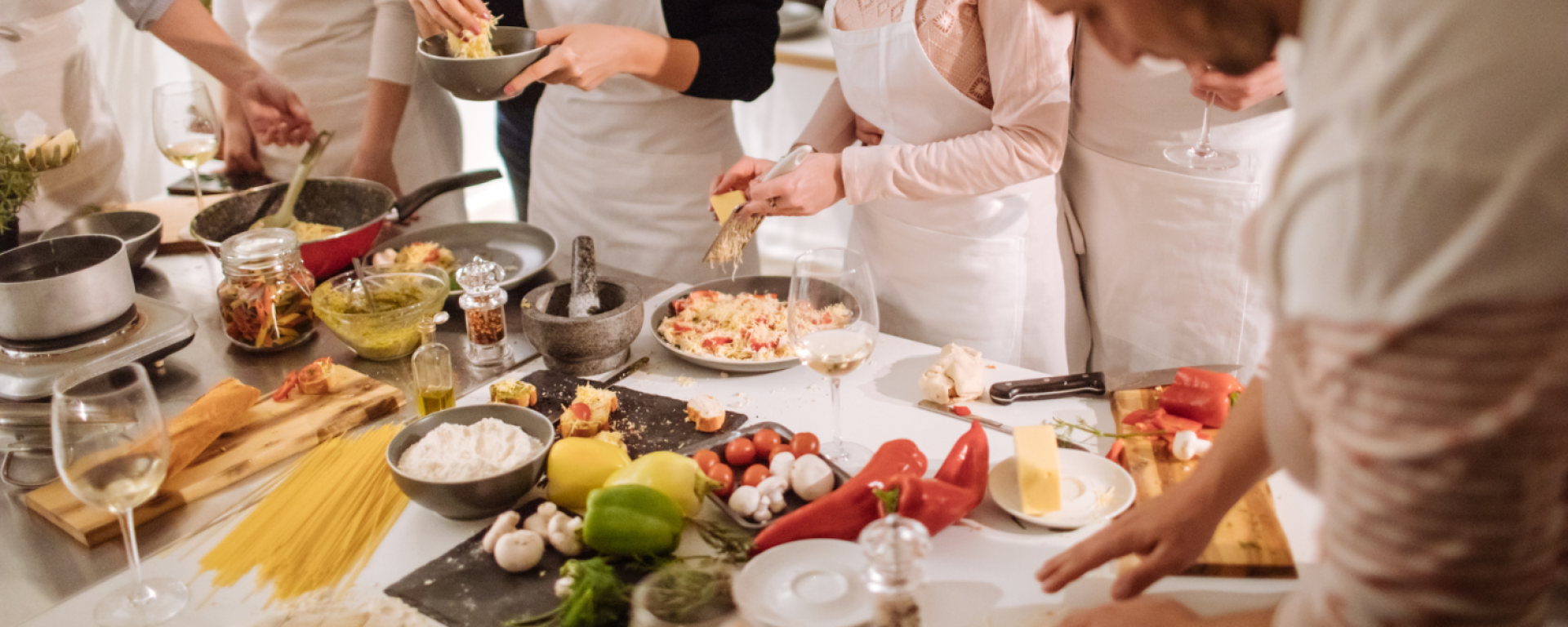
A Thai cooking class is more than a lesson in following recipes. Most hands-on classes introduce you to local ingredients, show you how Thai flavours are balanced and let you prepare several dishes yourself. Depending on where you join, the experience may begin at a fresh market or herb garden before moving to the kitchen. It is a practical way to understand Thai food beyond simply ordering it in a restaurant.
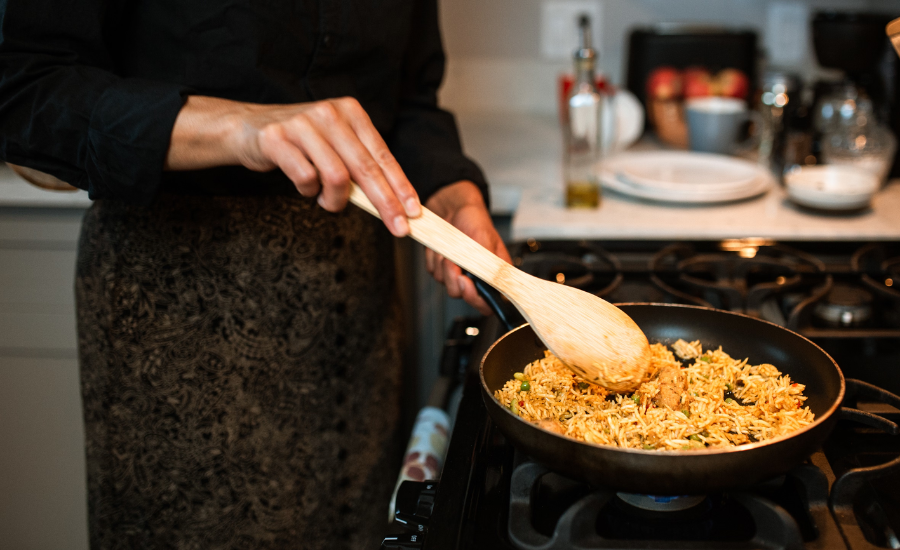
A chef stir-frying traditional Thai noodles in a hot pan during a cooking class
What Can You Expect from a Thai Cooking Class?
A typical Thai cooking class lasts several hours and often begins with an introduction to local ingredients such as lemongrass, galangal, Thai basil and chillies. Some classes also include a market visit, where you can see how fresh herbs, vegetables and spices are selected before heading to the kitchen.
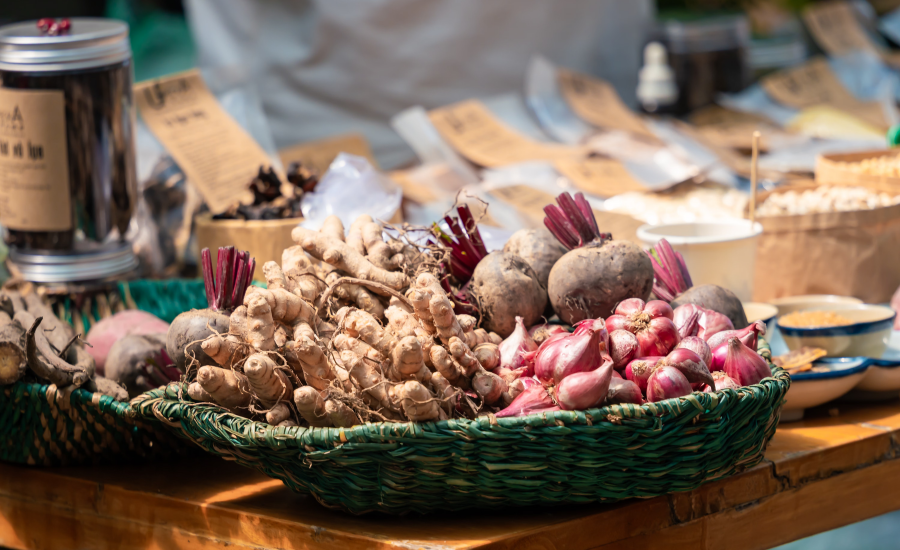
Fresh local galangal, shallots, and roots displayed for an authentic Thai cooking lesson
The hands-on session may involve pounding curry paste with a mortar and pestle, stir-frying with a wok and preparing dishes such as pad Thai, tom yum or green curry. Menus vary between schools, so check whether you will have your own cooking station and prepare each dish yourself rather than cooking as a group.
Where Is the Best Place to Take a Thai Cooking Class?
Bangkok
Bangkok is convenient if you have limited time. Many cooking schools are located within or close to central neighbourhoods, making a class easy to combine with sightseeing. Some begin with a visit to a fresh market before returning to a city kitchen.
Bangkok works particularly well if you are curious about ingredients but do not want to devote an entire day to the experience. A morning market visit followed by cooking can still leave the afternoon free for temples, museums or neighbourhood exploration.
Recommended Thai cooking classes in Bangkok:
- White Lotus Thai Cooking Class: A small, hands-on cooking class where you can learn to prepare Thai dishes in a more personal setting. It is a good choice for travellers who prefer direct guidance and a relaxed pace.
- Tingly Thai Cooking School: A centrally located option offering hands-on lessons in popular Thai dishes, with instructors guiding participants through ingredients and cooking techniques step by step. It works well for beginners looking for an accessible introduction to Thai cooking.
- Sompong Thai Cooking School: Combines hands-on cooking with an introduction to Thai ingredients, with selected sessions including a local market visit. It is particularly suitable if you want to understand the herbs, spices and sauces behind the dishes you prepare
Chiang Mai
Chiang Mai is a better fit if you want to make the cooking class a larger part of your day. Alongside city-based schools, there are classes held at farms and gardens outside the centre. These often introduce herbs and vegetables before the cooking begins.
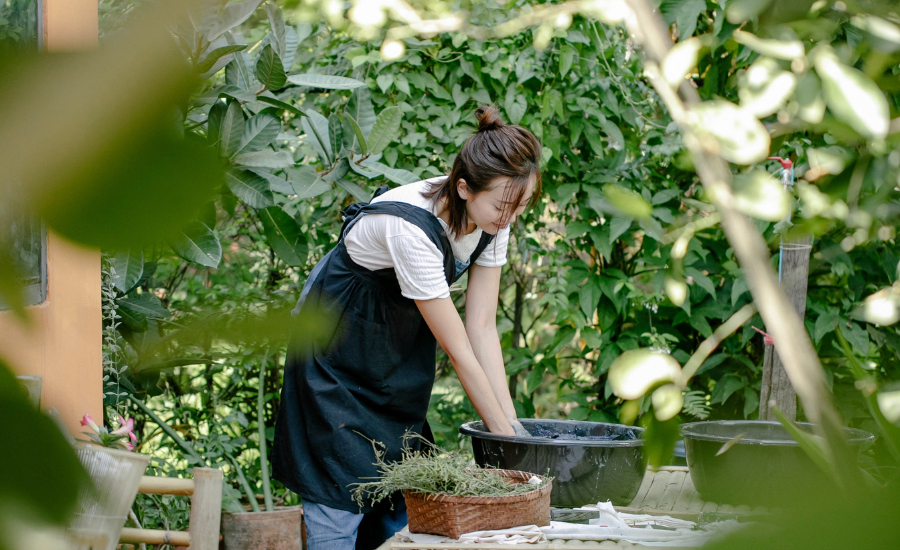
A participant washing fresh herbs outdoors at a farm-based cooking class in Chiang Mai
This slower setting gives you more time to understand where ingredients come from. Walking past rows of Thai basil, chilli or lemongrass before using them in the kitchen adds context that a recipe alone cannot provide.
Northern Thailand also has its own food traditions. If available, look for a menu that introduces northern flavours rather than one limited to the same pad Thai and green curry dishes found across the country.
Recommended Thai cooking classes in Chiang Mai:
- Mama Noi Thai Cooking School: A hands-on cooking school where travellers can learn to prepare a selection of Thai dishes in a relaxed setting. It is a practical choice for beginners who want step-by-step guidance and time to become familiar with Thai ingredients.
- Zabb E Lee Thai Cooking School: A convenient option for travellers who want to combine cooking with a closer look at local ingredients. The class introduces Thai cooking techniques and familiar dishes, making it suitable for those looking for an accessible food experience in Chiang Mai.
Phuket and Southern Thailand
Phuket is a convenient place to join a Thai cooking class if you want to add a food experience to a beach holiday. Most sessions last a few hours, making them easy to fit between sightseeing and time by the sea. An indoor cooking class can also be a practical option when you want a break from the midday heat or rainy weather.
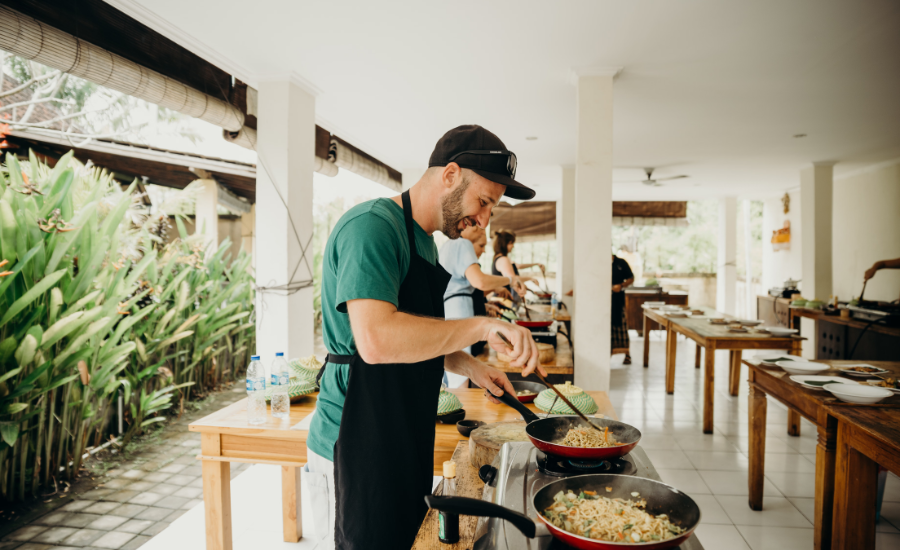
A traveler cooking traditional Thai dishes during an indoor cooking session in Phuket
Menus vary considerably between schools. Many focus on familiar Thai dishes such as pad Thai, tom yum and curries, while some introduce southern Thai flavours or local ingredients. If trying regional cuisine is important to you, check the menu before booking rather than assuming every Phuket class specialises in southern food.
Recommended Thai cooking classes in Phuket:
- Phuket Thai Cooking Class by Chef VJ: A convenient choice for travellers staying around Patong who want to learn Thai cooking without taking a full day away from their itinerary. The experience focuses on practical cooking techniques and preparing Thai dishes with guidance from the chef.
- Thai Cooking Class Phuket by Tony: A hands-on option for travellers who want to add a cooking experience to their time in Phuket. The class offers a more personal setting for learning how familiar Thai dishes are prepared step by step.
Explore more: Thailand Highlights: Experiences You Shouldn’t Miss
Market Tour or Farm Cooking Class: Which Should You Choose?
The best format depends on what you want to get from the experience.
A market-based Thai cooking class usually starts at a fresh market. The instructor may point out different curry pastes, herbs, vegetables, rice varieties and sauces while explaining how locals shop for everyday meals. This is a good option if you enjoy observing daily life and want to understand ingredients that may look unfamiliar at first.
A farm or garden cooking class focuses more on where ingredients grow. These experiences are particularly common around Chiang Mai and often take longer because transport outside the city is involved. They suit travellers who prefer a quieter setting and have at least half a day available.
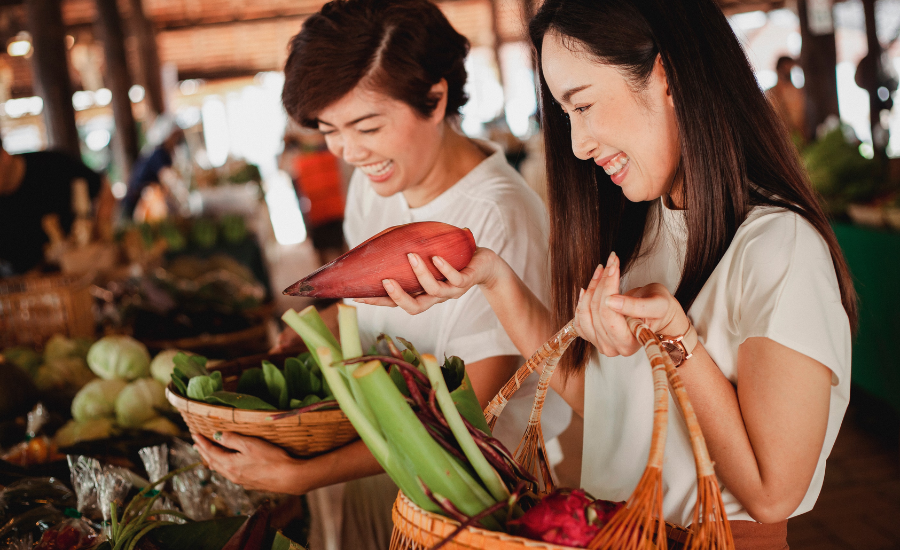
Travelers selecting fresh tropical produce and ingredients during a local market tour
Whichever format you choose, check the description carefully. A “market tour” can range from a quick ingredient introduction to a proper guided walk, while some farm classes spend considerably more time in the garden than others.
For the rest of your trip, our Thailand travel tips cover useful things to know before travelling around the country.
How Much Does a Thai Cooking Class Cost?
A half-day Thai cooking class typically costs around THB 1,000–2,500 per person, depending on the location, class size and length of the session. Private classes and premium experiences generally cost more, especially when they include hotel transfers or additional activities.
When comparing prices, check what is included rather than choosing by cost alone. Some classes include a market or farm visit, several dishes, transport and an individual cooking station, while cheaper options may cover only the cooking session. It is also worth checking whether drinks, recipe materials and transfers are included before booking.
Practical Tips for Choosing a Thai Cooking Class
- Allow enough time: Most classes require several hours. Farm experiences may take half a day once transfers are included.
- Check the group size: Smaller classes usually give you more opportunities to ask questions and receive help from the instructor.
- Read the menu first: Choose a class teaching dishes you actually want to recreate at home rather than simply selecting the largest menu.
- Mention dietary needs early: Vegetarian alternatives are common, but allergies and other restrictions should be confirmed directly with the school.
- Consider the time of day: Morning sessions often work better for fresh-market visits, while afternoon or evening classes can fit around sightseeing.
- Wear comfortable clothes: Kitchens can become warm, particularly when several woks are in use. Light clothing and comfortable footwear are practical.
- Ask about spice levels: You normally do not need to cook everything at full Thai heat. Tell the instructor if you prefer less chilli.
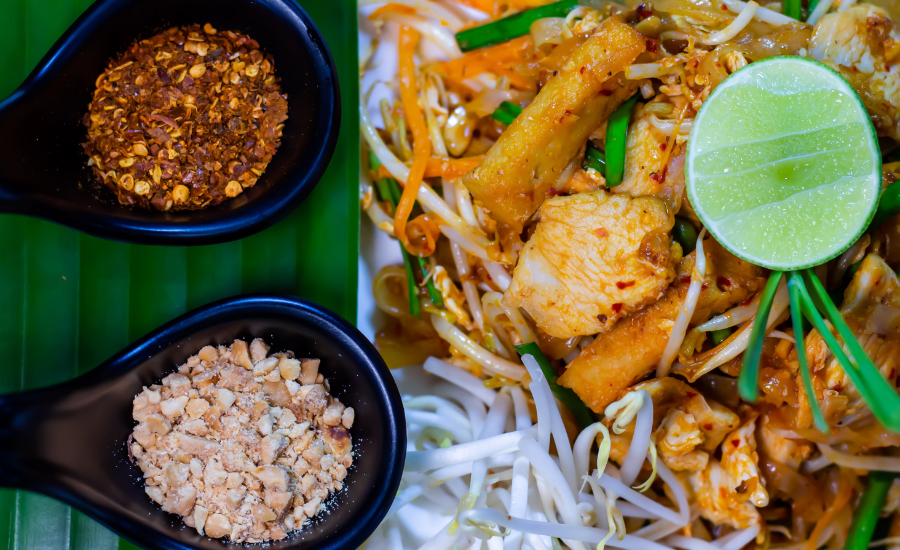
A freshly prepared plate of Pad Thai served with crushed peanuts, chili flakes, and lime
FAQs About Thai Cooking Classes
Is a Thai cooking class worth it?
Yes, especially if food is part of how you like to understand a destination. Rather than only tasting the finished dish, you learn about ingredients, preparation and flavour balance. It can also be useful after the trip because many of the basic techniques can be adapted when cooking Thai food at home.
Is Bangkok or Chiang Mai better for a Thai cooking class?
Bangkok is better for travellers who want a convenient class that fits easily into a city itinerary, often with a fresh-market visit. Chiang Mai is a stronger choice if you have more time and prefer a farm, garden or slower countryside setting. Both destinations offer plenty of hands-on options.
Can vegetarians join a Thai cooking class?
Yes. Many Thai cooking schools offer vegetarian or vegan alternatives and can replace meat or fish-based ingredients in selected dishes. However, requirements vary between schools. If you have allergies, avoid specific ingredients or follow a strict diet, contact the school before booking to confirm that the menu can be adapted safely.
Do I need cooking experience to join?
No. Most tourist-oriented Thai cooking classes are designed for beginners and instructors demonstrate each step before you cook. Basic tasks such as chopping, grinding spices and stir-frying are usually explained during the session. More important than previous experience is choosing a class where the instructor has enough time to assist each participant.
Conclusion
A Thai cooking class offers something a restaurant meal cannot: the chance to understand what happens before Thai food reaches the table. Whether you explore a Bangkok market, walk through a Chiang Mai herb garden or cook during a beach stay in Phuket, choose a class that gives you plenty of hands-on time. Explore Thailand with Thai Unika and add a local cooking experience to a journey designed around your interests.
Our most popular tours

Kanchanaburi - Sukhothai - Ayutthaya - Bangkok - Chiang Mai - Chiang Rai - Chiang Saen - Luang Prabang Private

-
Thailand to Luang Prabang via Huayxay border 18 Days
-
Doi Inthanon National Park 3 Days 2 Nights
-
Hill tribe treks To The Less Seen Area Of Chiang Mai 3 Days
-
Short trip to Bangkok with your kid 5 days
-
 Cultural Connections from Singapore to Thailand 19D18N
-
 Thailand, Cambodia & Vietnam Border Crossing 15 Days