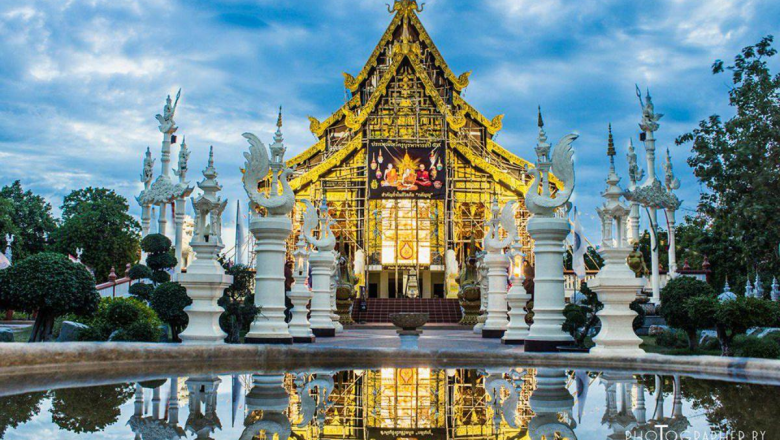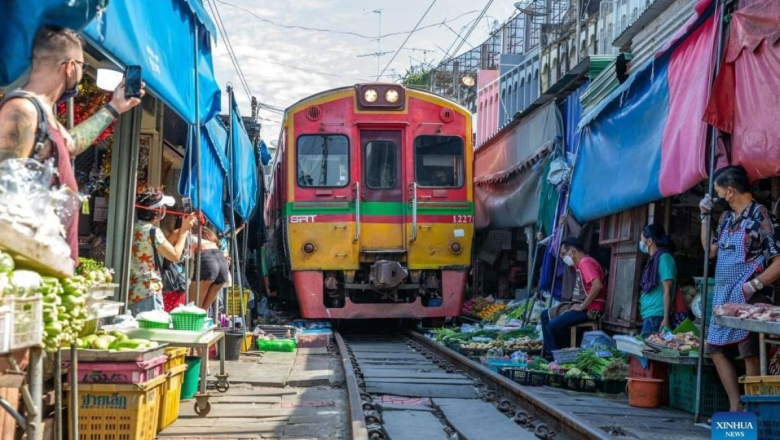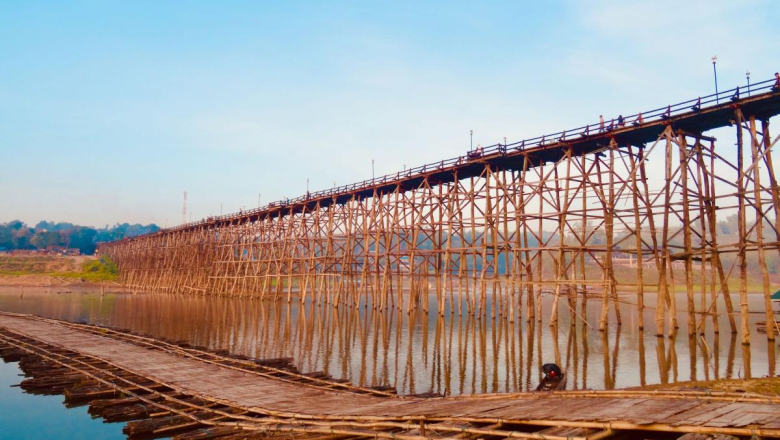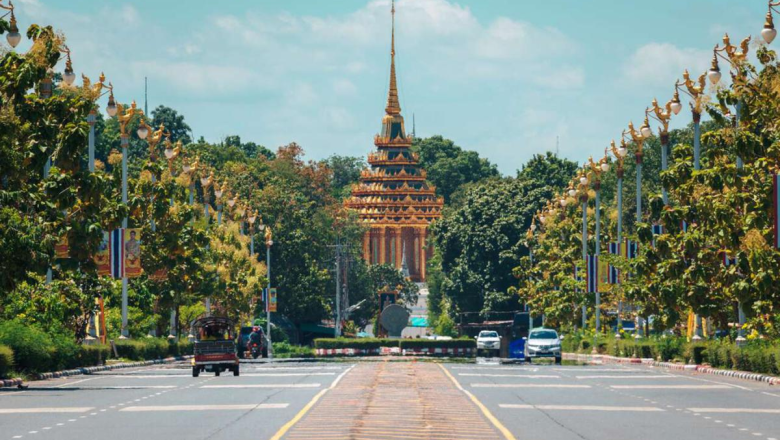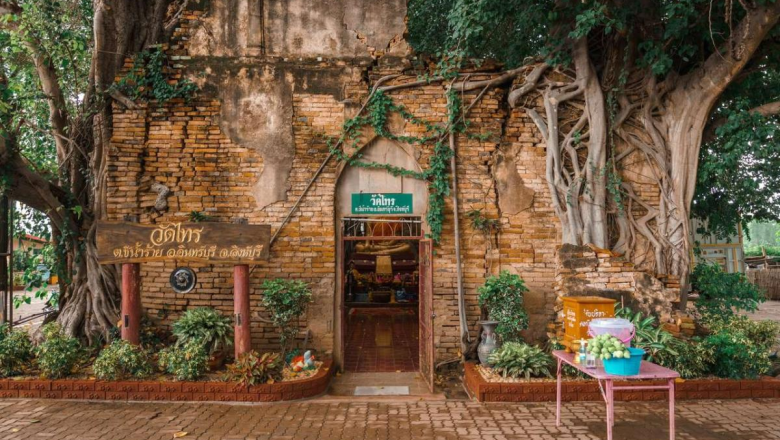
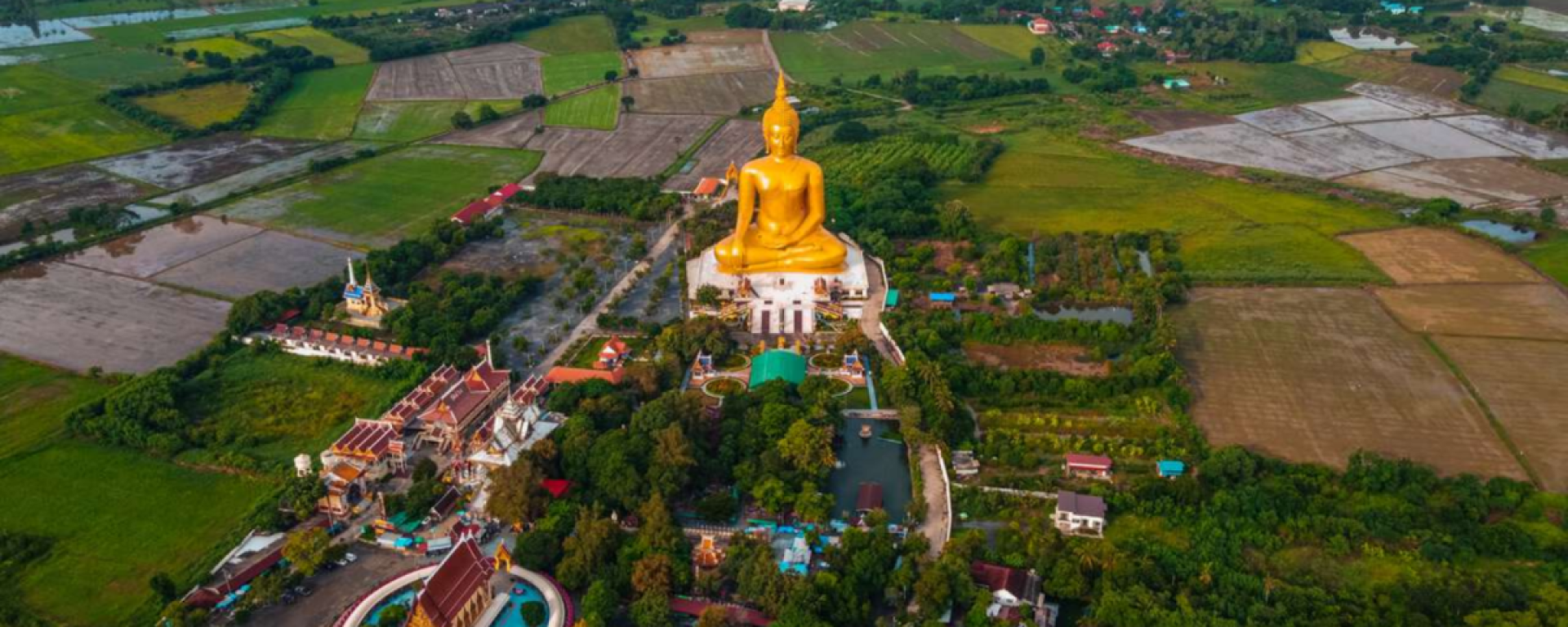
Located around 100 km to the north of Bangkok along the Noi River, Ang Thong is a small province in Central Thailand. This province is usually known for its fertile agricultural land and long-standing cultural heritage, making it a representative of a quieter side of Central Thailand. It has a variety of intriguing destinations attracting customers including historic temples, traditional crafts, local markets, and riverside communities.
What makes Ang Thong special
Ang Thong has the combination of traditional Thai culture and Buddhist heritage. The province has been shaped by communities living along its rivers and canals, where agriculture, handicrafts, and temple life have remained important parts of everyday life.
Therefore, a distinctive feature of Ang Thong is its traditional craftsmanship, particularly the making of giant woven baskets and handmade drums. Local temples also preserve impressive examples of Thai religious architecture, while the province's riverside setting adds a peaceful atmosphere to the journey.
Weather in Ang Thong
Ang Thong has a tropical climate, making it hot and humid almost throughout the year. In fact, March to May can be particularly hot, while June to October have more frequent rainfall. It is locally believed that the cooler and drier months from November to February are generally more comfortable for visiting temples and exploring outdoor attractions.
Top Destinations to Explore in Ang Thong
Wat Muang
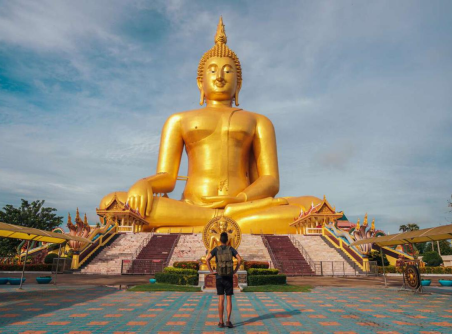
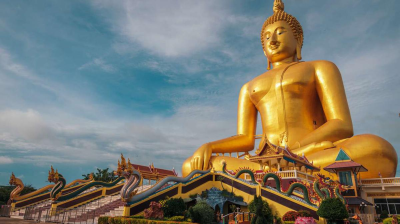
Coming to Ang Thong, you cannot miss Wat Muang, known for its enormous seated Buddha statue, Phra Buddha Maha Nawamin. This statue is about 95 meters high, making it one of the largest Buddha images in Thailand.
Other than Phra Buddha Maha Nawamin, there are also numerous colorful religious sculptures and scenes representing Buddhist teachings. Visitors can pay respects to the Buddha image, explore the temple grounds, and learn more about Buddhist beliefs through the surrounding sculptures.
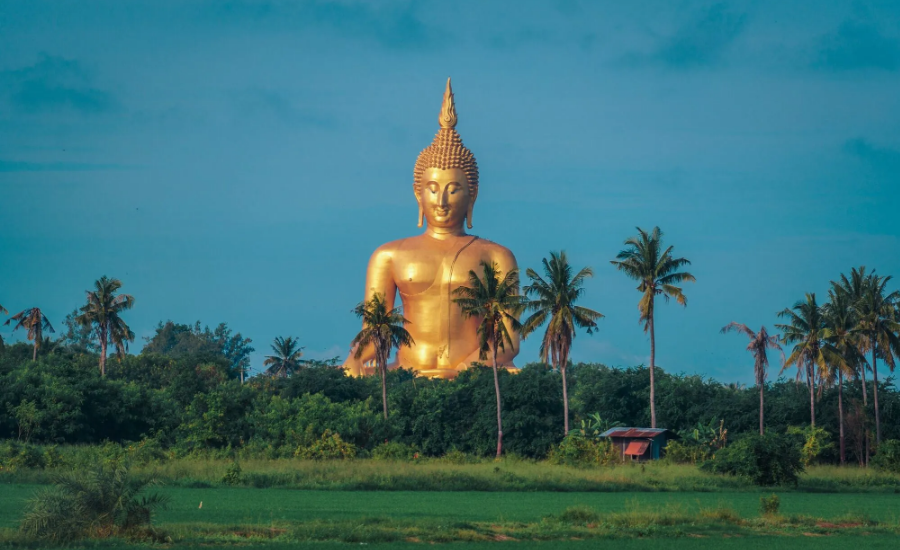
Phra Buddha Maha Nawamin at Wat Muang, Ang Thong
Discover more of Thailand’s iconic temples in our guide to the top 8 temples in Thailand
Wat Khun Intha Pramun
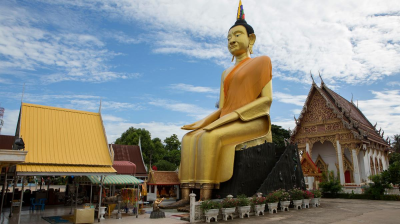
Another famous temple in Ang Thong is Wat Khun Intha Pramun. This ancient temple is particularly famous for its large reclining Buddha, which lies in the open air among the ruins of the old temple complex.
At Wat Khun Intha Pramun, visitors can walk around the temple grounds, admire the reclining Buddha, explore the remaining ruins, and learn more about the site's Buddhist and historical heritage. The peaceful surroundings also make it a pleasant place to take photos, pay respects, and enjoy a quiet moment away from the busier tourist attractions.
.png)
Reclining Buddha at Wat Khun Intha Pramun, Ang Thong
Explore more stunning Buddha statues across Thailand
Ban Bang Sadet Court Doll Center
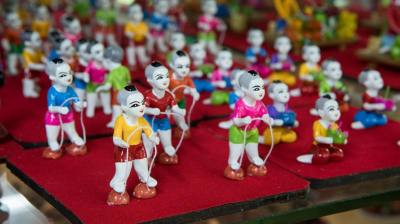
Ban Bang Sadet Court Doll Center is a local handicraft center making Thai clay dolls. The dolls describe scenes from everyday Thai life, traditional occupations, and local culture. Visiting Ban Bang Sadet Court Doll Center is a chance for visitors to see how the dolls are made and painted while learning about a tradition that has been passed down through generations. You can also buy lots of intriguing small handmade souvenirs as gifts for family and friends.
.png)
Ban Bang Sadet Court Dolls recreate scenes of local life, depicting vendors selling fruits and goods from boats on Thailand’s traditional floating markets
Wat Pa Mok Worawihan
For those interested in local culture, Wat Pa Mok Worawihan is another great option to take a deep glimpse into the long-standing relationship between Buddhist traditions and communities along the Noi River. Located along the Noi River, this is also an ancient temple known for its beautiful reclining Buddha image. The temple has a long history and is closely connected with the local community.
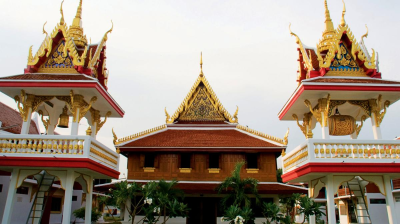
Visiting Wat Pa Mok Worawihan, you can admire the traditional Thai architecture, pay respects to the reclining Buddha, and explore the temple grounds to see its religious and architectural details. The riverside setting also offers the opportunity to take photos, observe local life, and enjoy a leisurely walk around the temple.
Ang Thong Market
If you want to experience the province's daily life, it’s advisable that you come to local markets in Ang Thong. Visitors can find fresh produce, Thai snacks, sweets, and locally made products while observing how local residents shop and interact. A visit to the market can easily be combined with temple visits, making it a convenient stop for travelers interested in local food and daily culture.
What to Eat in Ang Thong
- Khanom Krok - Small coconut pancakes with a crispy outside and soft, creamy center, commonly found at local markets.
- Boat noodles - A flavorful noodle dish served in a rich broth and available at local eateries around the province.
- Pla Chon - Snakehead fish is commonly found in Central Thailand and can be prepared grilled, fried, or with spicy sauces.
- Local Thai sweets - Traditional desserts made with coconut, palm sugar, rice flour, and other local ingredients can often be found at markets and community shops.
.png)
Khanom Krok, a traditional Thai treat enjoyed in Ang Thong
How to get to Ang Thong
From Bangkok
Ang Thong is located around 100 km north of Bangkok. By car or private transfer, the journey usually takes around 1.5 to 2 hours, depending on traffic and your starting point.
By Taxi or Private Car
A private car is a convenient option if you want to visit several temples, markets, and cultural sites in one day. Since attractions are spread across different parts of the province, private transportation allows you to travel at your own pace and combine nearby places more efficiently.
Where to Stay in Ang Thong
Ang Thong has a smaller accommodation scene than nearby Ayutthaya. Most hotels and guesthouses are located around Ang Thong town and along the main roads.
- Budget-friendly: Simple guesthouses and local hotels around the town center
- Mid-range: Comfortable hotels near the main roads and local amenities
- Longer stays: Apartments and simple residences around the town and nearby communities
For travelers visiting Ang Thong as part of a wider Central Thailand itinerary, staying in Ayutthaya can also be a convenient option.
How Much Does It Cost to Travel to Ang Thong?
- Local food: Around THB 50-150 per meal
- Mid-range restaurant: Around THB 150-350 per person
- Local transport: Around THB 20-100 depending on the distance
- Budget accommodation: Around THB 500-1,000 per night
- Mid-range accommodation: Around THB 1,000-2,500 per night
- Daily budget: Around THB 500-1,000 for a simple day trip, excluding private transportation and major attraction fees.
Travel Tips for Ang Thong
- Start your day early to avoid the strongest midday heat, especially from March to May.
- Wear comfortable shoes because some temple complexes require walking between different areas.
- Dress respectfully when visiting temples, with shoulders and knees covered.
- Bring cash for local markets, small food stalls, and community shops.
- Plan your route in advance because attractions are spread across the province.
- A private car or transfer is useful if you want to visit several temples and cultural sites in one day.
- Combine Ang Thong with Ayutthaya or other destinations in Central Thailand for a longer cultural itinerary.
Frequently Asked Questions
Can you visit Ang Thong without speaking Thai?
Yes. While English may be limited in smaller local communities, translation apps can help with basic communication. Learning a few Thai greetings and cultural tips can also make interactions with local people easier.
Can you visit Ang Thong as a day trip from Bangkok?
Yes. Ang Thong is around 100 km from Bangkok, making it possible to visit several major attractions in a day with a well-planned route. A private car can be particularly convenient for a day trip.
Can Ang Thong be combined with Ayutthaya?
Yes. The two provinces are relatively close and can be included in the same Central Thailand itinerary, especially for travelers interested in temples, history, and local culture.
Conclusion
Ang Thong offers a quieter way to discover Central Thailand through its historic temples, giant Buddha images, traditional crafts, local markets, and riverside communities. Away from the crowds of Bangkok, the province allows travelers to experience a more local side of Thai culture while exploring at a relaxed pace.
Discover Ang Thong now with a private journey tailored to your interests.