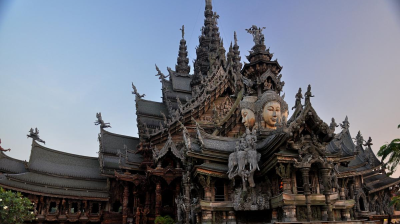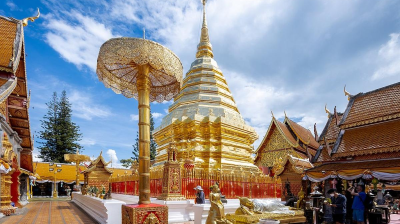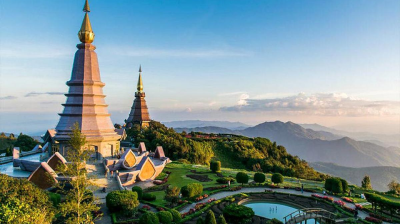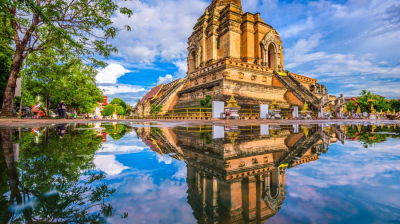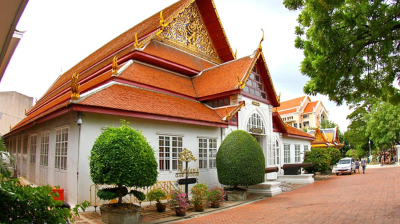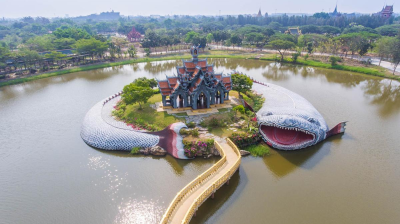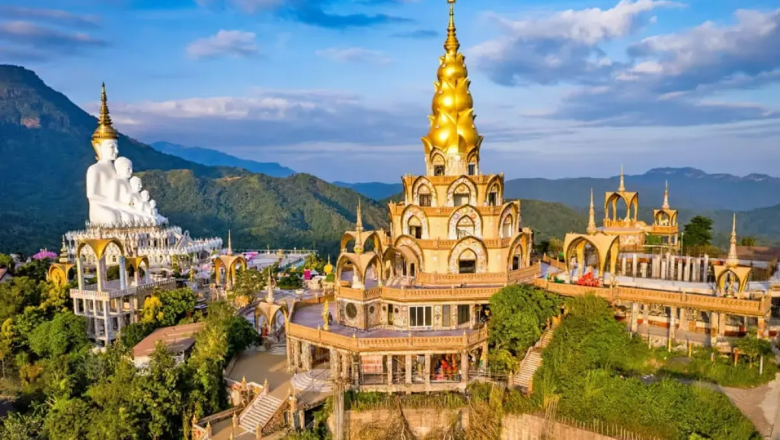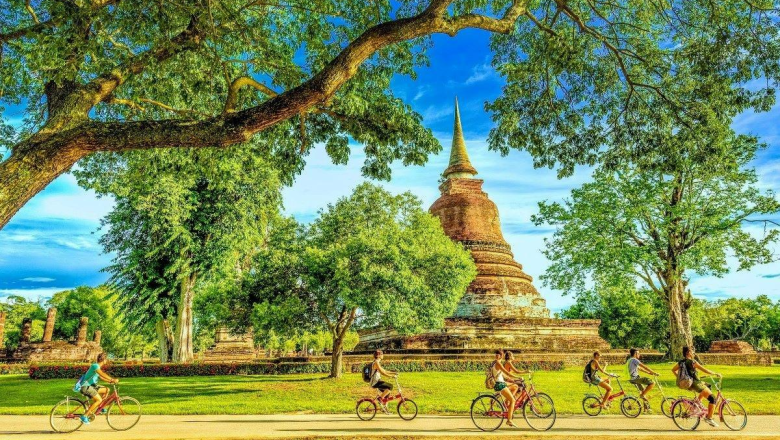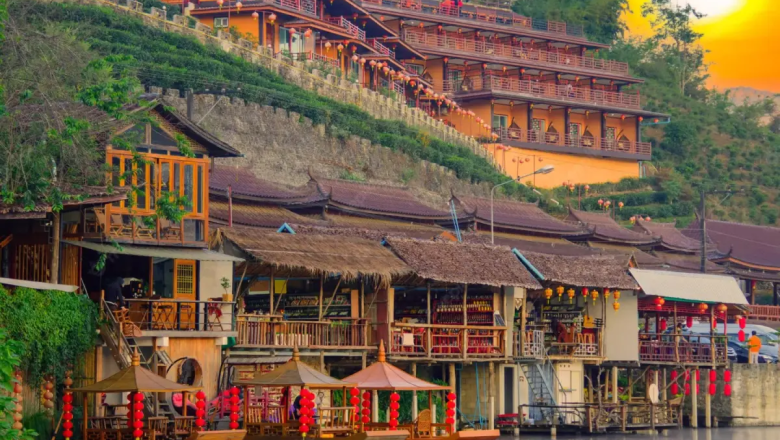
Located in northern Thailand and along the Yom River, Phrae is one of the country's oldest cities. It is known for ancient temples, well-preserved teakwood architecture, and rich Lanna heritage. Often called “the city of wooden houses," it offers a truly authentic Northern Thailand experience. Let’s explore Phrae together with Thai Unika!
Why is Phrae special?
Nestled in northern Thailand, near the mountains that stretch toward Laos, Phrae sits at the edge of lush highlands and forested landscapes. This gives the city a quieter, more untouched feel compared to major tourist hubs.
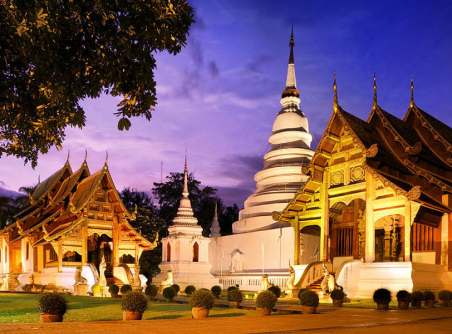
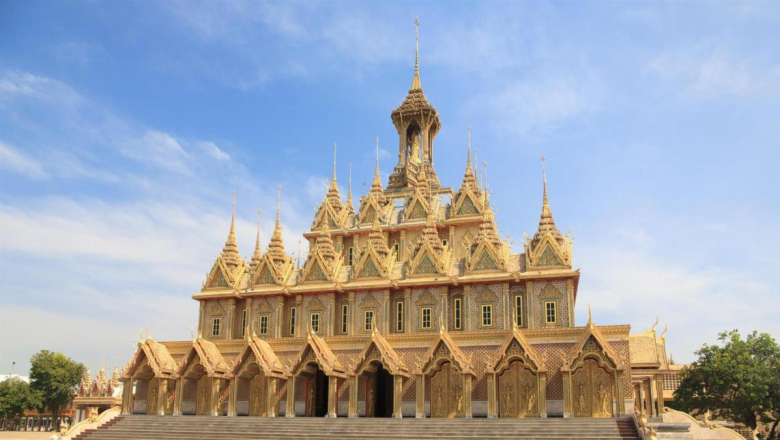
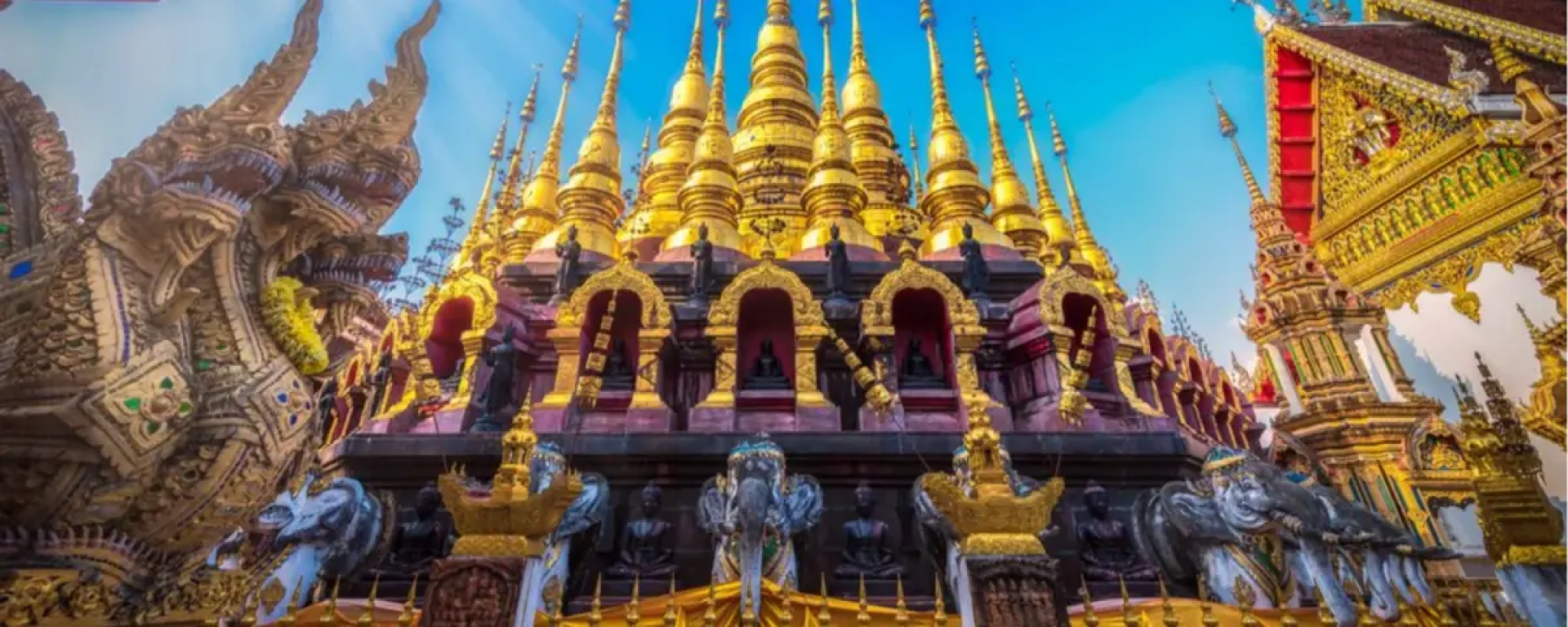
As one of the oldest cities in Northern Thailand, Phrae offers an off-the-beaten-path experience of Lanna culture. The city is home to hundreds of ancient temples, reflecting different periods and influences. From Wat Luang, the oldest temple in Phrae dating back over 1000 years, to Wat Phra That Suthon Mongkhon Khiri, the most famous for its striking blend of Lanna and Burmese-inspired architectures
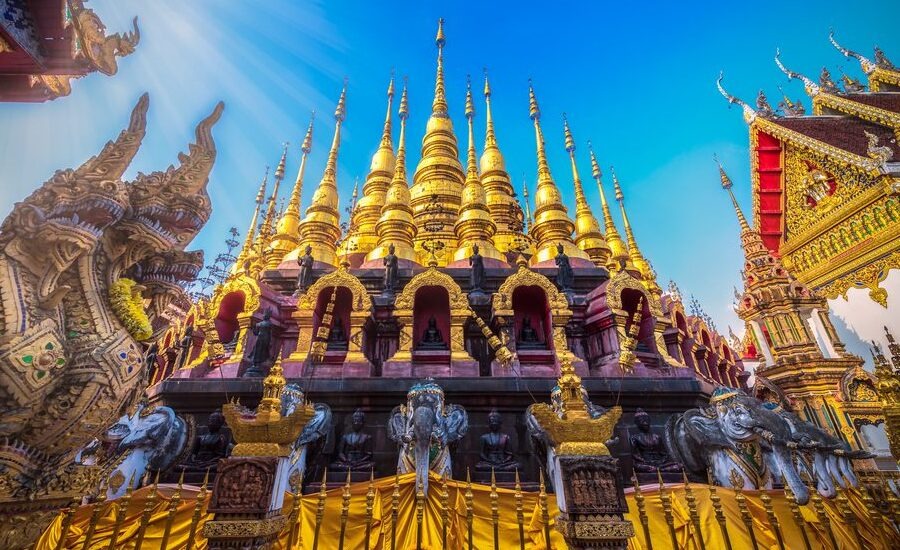 Breathtaking Wat Phra That Suthon Mongkhon Khiri in Phrae
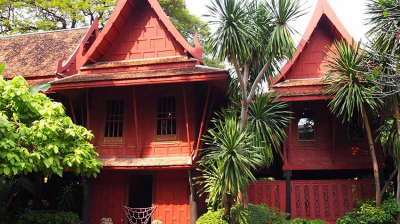
Phrae was once a major center of Thailand’s teak trade. The old town still beautifully preserves “gingerbread-style” wooden mansions with intricate carvings and colonial-era influences that have largely escaped modern development.
Beyond its temples and teak houses, Phrae’s culture also lives on through Mo Hom, the city’s signature indigo-dyed fabric. Made with natural dyes, these deep-blue textiles are crafted into everyday clothing. They reflect generations of local craftsmanship and identity.
Top Attractions in Phrae
Wat Phra That Suthon Mongkhon Khiri
Wat Phra That Suthon Mongkhon Khiri is one of the most visually striking temples in Phrae. Unlike many ancient temples in the region, it was built in the late 20th century but still draws heavily from traditional Lanna design. It is also recognized with strong Burmese influences. The result is a temple that feels both grand and one-of-a-kind.
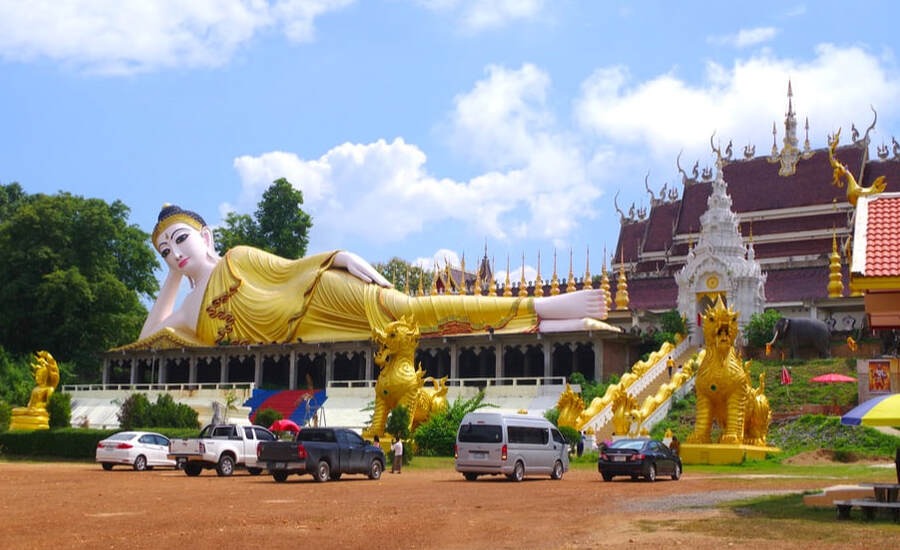
Famous Reclining Buddha at Wat Phra That Suthon Mongkhon
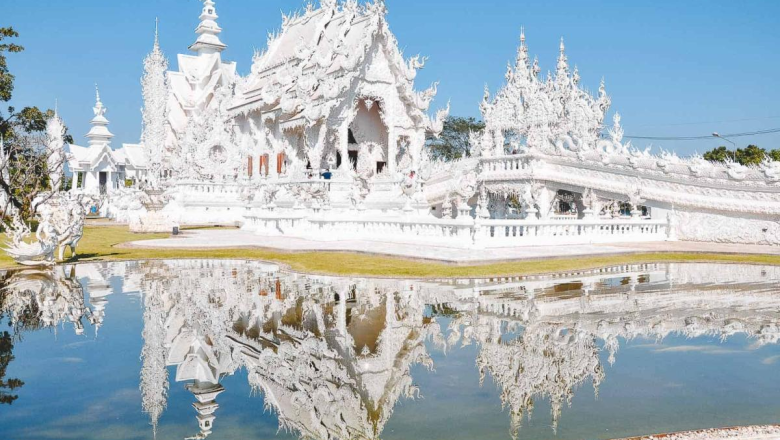
Coming here, you will catch sight of the long staircase lined with detailed Naga sculptures leading up to the central chedi. The temple’s wide layout, bright white color, and symmetrical design make it especially photogenic. It’s best to visit early in the morning or late afternoon to avoid the heat and enjoy softer lighting for photos.
Maybe you'll enjoy it: Top 5+ Most Stunning Buddha Statues in Thailand
Wat Luang
Wat Luang is the oldest temple in Phrae, with a history of over 1,000 years dating back to the early Lanna period. It has long served as a central place of worship and remains closely tied to the spiritual life of the local community. It also reflects the deep-rooted Buddhist traditions of northern Thailand.
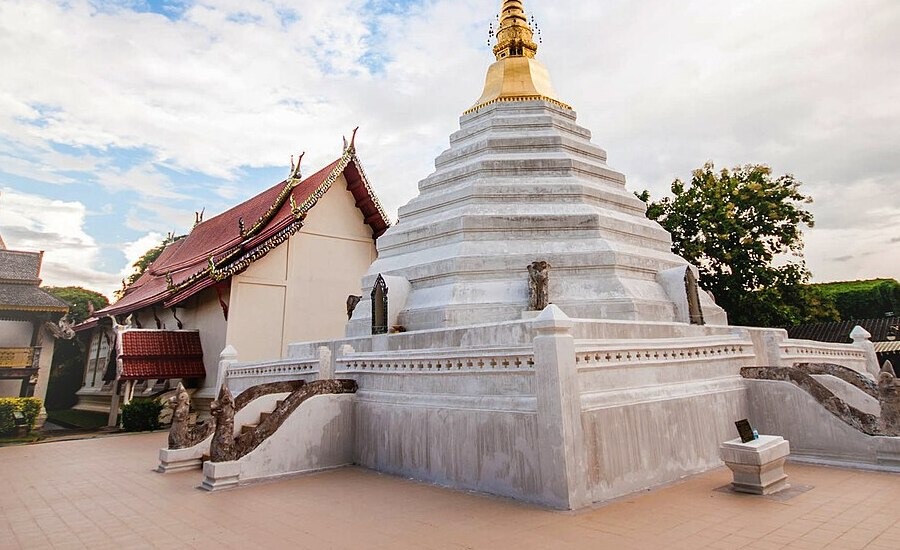
Wat Luang is one of the most famous religious attractions in Phrae
The temple has classic northern Thai architecture with wooden halls, aged chedis, and traditional decorative details. Unlike more touristy temples, Wat Luang feels quiet and lived-in. It is a good place to observe daily Buddhist practices and experience a more authentic side of local life.
Khum Vongburi (Pink Mansion)
Built in 1897, Khum Vongburi is one of the best-preserved teakwood mansions in Phrae. It was owned by a wealthy local family during the peak of the teak trade, when Phrae was a major logging center supplying timber across Thailand and beyond.
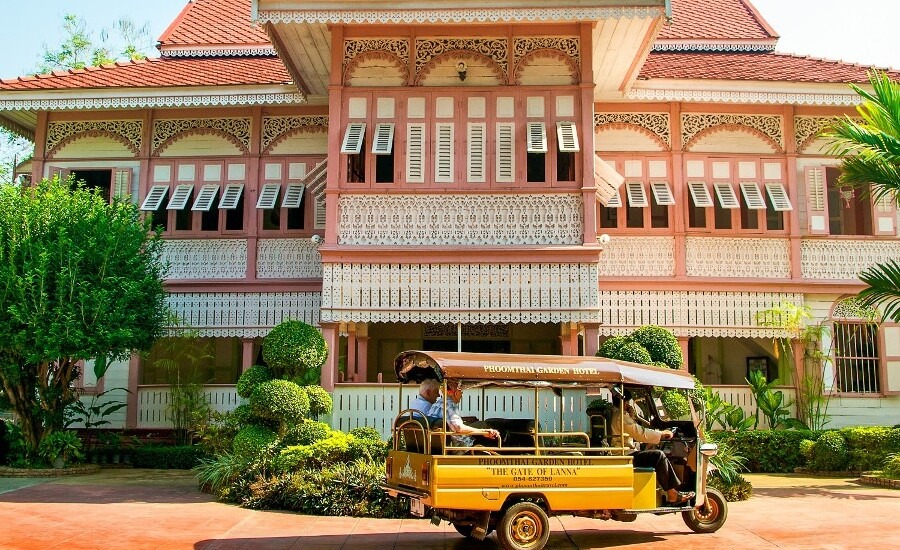
The Khum Vongburi Museum is a representation of Phrae's distinctive teak architecture
The exterior of the mansion is painted pink and has intricate “gingerbread-style” wood carvings influenced by European design. Inside, many original items are still preserved, including furniture, photographs, and family belongings. Tourists can have a closer look into upper-class life in northern Thailand over a century ago.
Khum Chao Luang
Built in 1892, Khum Chao Luang was the residence of Phrae’s last ruler and played an important role in the city’s political history. It reflects a time when northern Thai cities were adapting to external influences while still maintaining their traditional systems of governance.
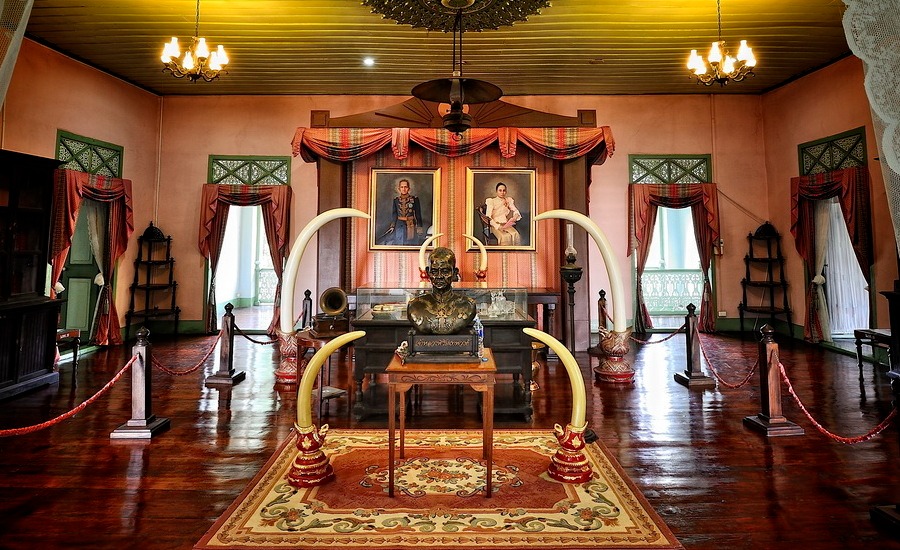
Historical artifacts displayed inside Khum Chao Luang
The building combines Thai, Lanna, and European architectural styles, with spacious wooden interiors and high ceilings. Today, it serves as a museum where visitors can explore preserved rooms, historical artifacts, and even a small basement detention area. Coming here, you will be given a deeper look into Phrae’s past.
Ban Thung Hong
Ban Thung Hong is the center of Mo Hom production, a traditional indigo-dyed fabric that has been part of Phrae for generations. The dye is made from natural materials, giving the fabric its deep blue color and slightly uneven, handmade texture.
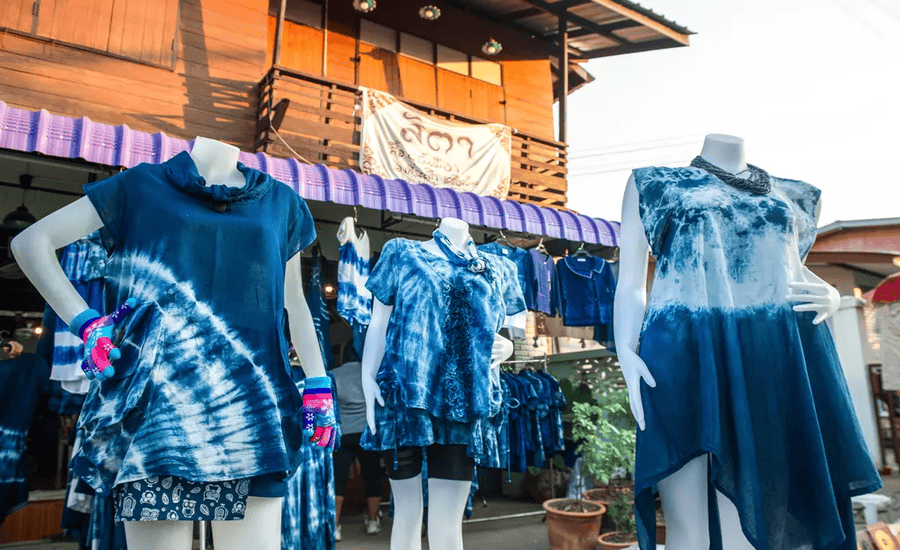
Visitors can buy many unique fashion items made from Mo Hom in Ban Thung Hong
Visitors can see the process up close, from dyeing to drying, and learn how the craft has been passed down over time. Small local shops sell simple clothing and handmade items. It is an easy place to experience and support Phrae’s living culture.
Discover how to plan the best Thailand trip here: Top 8 Thailand Travel Tips First-Time Travelers Should Know
Phae Mueang Phi Canyon
If you’re craving a change of pace and some time in nature, Phrae has something to offer as well. Located about 8 km from Phrae, Phae Mueang Phi is known for its unusual clay formations shaped by natural erosion over thousands of years. The tall, pillar-like structures create a landscape that looks almost otherworldly. This is why people give it the nickname “Ghost Canyon”.
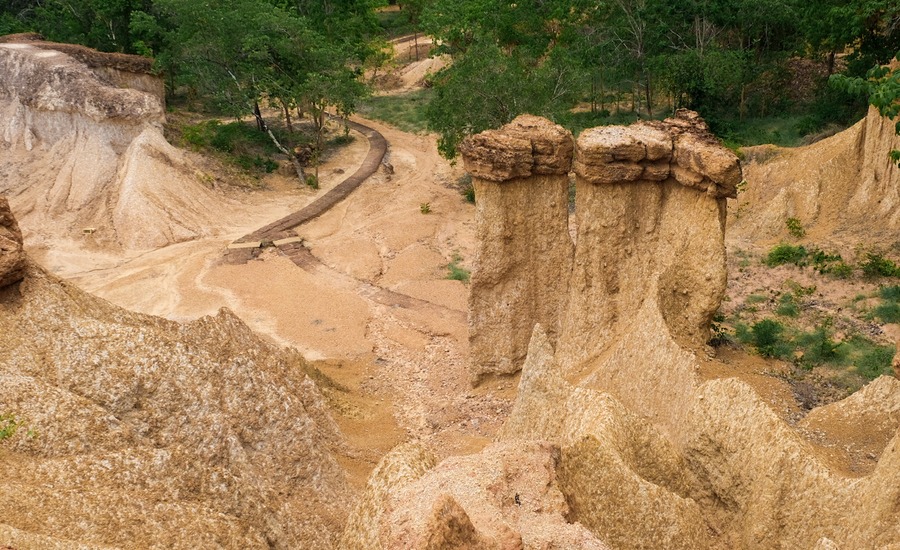
Picturesque standing rocks at Phae Mueang Phi seen afrom afar
The site is part of a forest park with short walking trails that take around 1-2 hours to explore. It’s an easy half-day trip and a good contrast to Phrae’s temples and historic buildings, especially in the late afternoon when the light and shadows highlight the shapes of the formations.
Food in Phrae
Nam Prik Nam Yoi
An iconic example of Phrae cuisine with a focus on strong flavors is Nam Prik Nam Yoi. The dish is a spicy chili dip made with minced pork, tomatoes, and herbs. It is typically served with fresh vegetables and sticky rice to create a more balanced mix of heat and freshness. You can find it in local eateries and markets across Phrae.
Khao Soi
Khao Soi is one of the most famous dishes of northern Thailand, with egg noodles in a rich coconut curry broth, topped with crispy noodles. The flavor is a mix of creamy, spicy, and slightly tangy. Many small restaurants and street stalls in Phrae serve their own versions of Khao Soi.
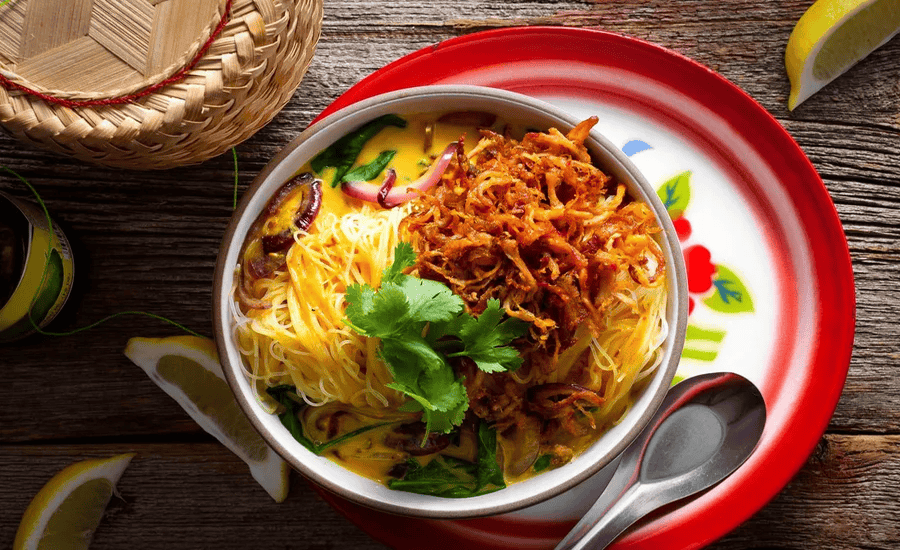
Khao Soi is among the most delicious noodles in Thailand
Sai Oua & Kaeb Moo
Sai Oua is a northern Thai sausage packed with herbs like lemongrass and kaffir lime, giving it a fragrant and slightly spicy taste. It’s often eaten with Kaeb Moo, crispy pork rinds that add a crunchy contrast. These are popular snacks in local markets and are often sold together as a quick, flavorful bite.
What is the best time to visit Phrae?
The best time to visit Phrae is during the cool and dry season from November to February, when temperatures range from around 18°C to 30°C. The weather is comfortable for exploring temples, walking around the old town, and visiting nearby natural sites.
From March to May, the heat can rise, while the rainy season from June to October brings frequent showers. Travel is still possible year-round, but the cooler months offer the most pleasant conditions for sightseeing and outdoor activities.
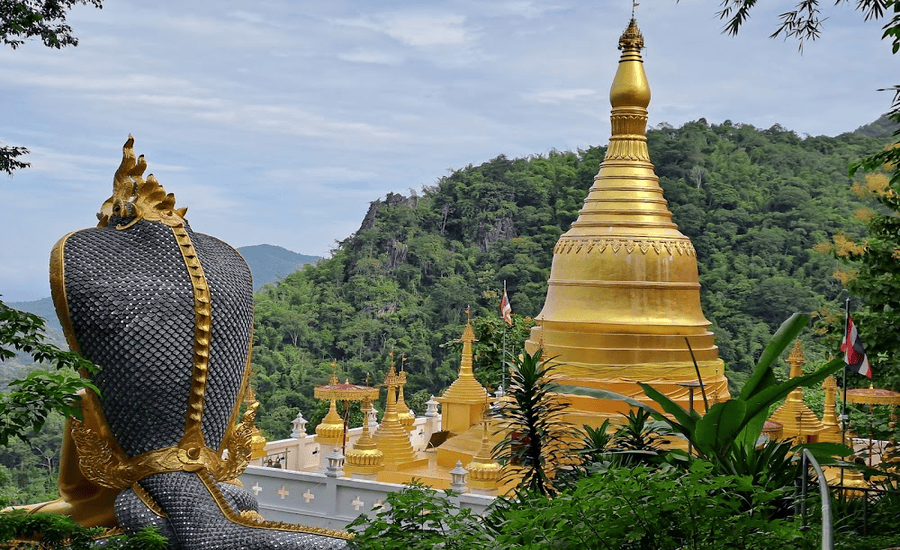
Tourists can visit Phrae at any time of the year
How to get to Phrae?
By Air
The nearest airport to Phrae is Phrae Airport, with domestic flights from Bangkok taking around 1 hour. From the airport, it’s only about 15 minutes to reach the city center by taxi.
By Bus
Long-distance buses run regularly from Bangkok and nearby northern cities like Chiang Mai. The journey from Bangkok takes approximately 8–9 hours, making it a budget-friendly option for travelers.
By Car
Phrae is about 550 km from Bangkok and can be reached by car in around 8 hours. The drive passes through scenic countryside and smaller towns. It is a good option if you want a more flexible itinerary in northern Thailand.
Travelling Costs in Phrae
Accommodation
Phrae’s accommodation reflects its slow-paced charm, with many affordable stays set in restored teak houses that offer both comfort and a sense of local history.
- Budget Guesthouses/Hostels: 300-700 THB (~8-20 USD) per person
- Mid-range hotels/resorts: 800-1,800 THB (~22-50 USD) per person
- Luxury stays/heritage teak houses: 2,000+ THB (~55+ USD) per person
Transportation
With its compact layout and light traffic, getting around Phrae is simple and inexpensive, especially compared to larger Thai cities.
- Local tuk-tuks/taxis: 50-150 THB (~1.5-4 USD)
- Motorbike rental: 200-300 THB/day (~6-9 USD)
- Car rental: 1,000-2,000 THB/day (~28-55 USD)
Food
Eating in Phrae is not just affordable but also a way to experience authentic Lanna flavors that are less commercialized than in tourist-heavy destinations.
- Street food/local eats: 40-80 THB (~1-2 USD) per dish
- Casual restaurants: 100-250 THB (~3-7 USD) per meal
- Mid-range dining: 300-600 THB (~8-17 USD) per meal
Entrance Fees
Low entrance fees and many free sites make Phrae ideal for travelers who want rich cultural experiences without high costs.
- Temples & local sites: Free-50 THB (~0-1.5 USD) per person
- Museums & attractions: 50-150 THB (~1.5-4 USD) per person
- Natural sites (parks, canyon): 100-200 THB (~3-6 USD) per person
Frequently Asked Questions (FAQs)
Is Phrae safe for tourists?
Yes, Phrae is one of the calmer and safer destinations in northern Thailand, with low crime rates and a relaxed local atmosphere. Solo travelers can feel comfortable exploring, even in the evening, though basic precautions are still recommended.
How long should a trip in Phrae be?
A 2-3 day trip is ideal to fully experience Phrae without rushing. This gives you enough time to explore temples, visit teak mansions, discover local crafts, and take a short trip to nearby natural destinations such as Sukhothai, Lampang, or Phitsanulok.
What to pack for Phrae?
Pack light, breathable clothing suitable for warm weather, along with comfortable shoes for walking. Modest outfits are recommended for temple visits, and a light jacket can be useful during cooler mornings from November to February.
Are there ATMs and WiFi in Phrae?
ATMs are widely available in the city center, and most hotels, cafés, and restaurants offer reliable WiFi. While connectivity is generally good, it may be slower in more rural or nature-based areas outside the city. It is also recommended that tourists bring some cash with them for easier small transactions.
Conclusion
If you are planning a journey through northern Thailand or looking for a quiet cultural escape away from crowded routes, Phrae is a destination worth considering. With its teak heritage, living crafts, and slower pace of life, the city offers a more authentic and grounded side of Thailand.
You can explore Thailand tour packages designed by Thai Unika Travel and find your perfect personalized itinerary that includes Phrae and other hidden gems across the country.
Find your ideal Northern Thailand trip here: Northern of Thailand Adventure 11 Day