Besides visas, passports, and travel itineraries, one of the biggest concerns for tourists visiting Thailand is how to properly manage money in Thailand. Don’t let currency confusion become a barrier to exploring the beautiful country. In this guide, Thai Unika Travel will help you understand Thailand’s currency, payment methods, and essential money tips to help you travel more confidently in 2026.
Overview of Thai Currency: The Baht
The official currency of Thailand is the Thai Baht, commonly called the baht by both locals and tourists. It is represented by the symbol ฿, while its international currency code is THB, which is commonly used at banks, exchange counters, and foreign exchange markets worldwide.
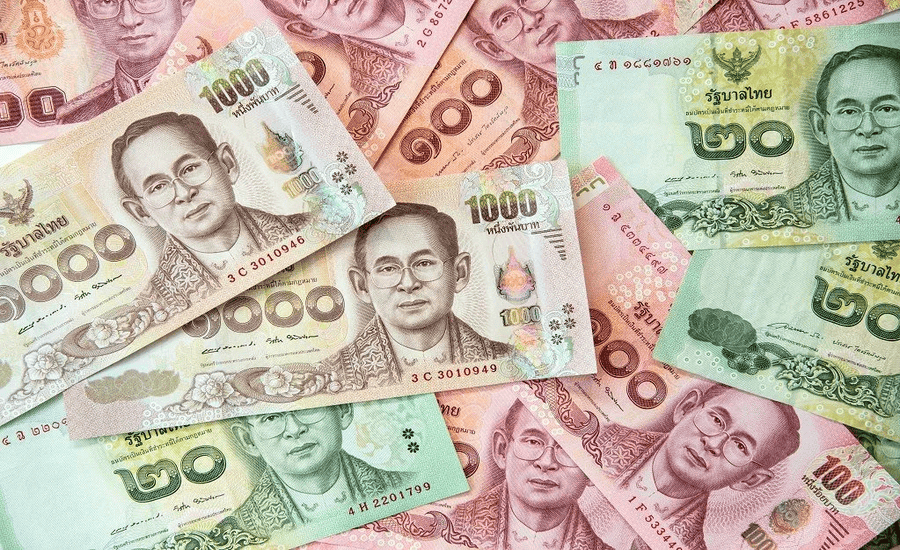
The Thai Baht is the national currency of Thailand
The history of Thai currency dates back to the Sukhothai Kingdom in the 13th century, when Thailand first introduced standardized coins for trade and commerce. Over time, different kingdoms and rulers developed various forms of currency before the modern Thai Baht gradually became the country’s official legal tender in 1925.
Throughout its history, Thailand has released 17 series of banknotes. The current series, introduced in 2018, features King Maha Vajiralongkorn in the uniform of the commander of the Royal Thai Air Force.
Get to know how to prepare for your Thailand trip at: Top 8 Thailand Travel Tips First-Time Travellers Should Know
Design of Thai Currency
Thai Banknotes
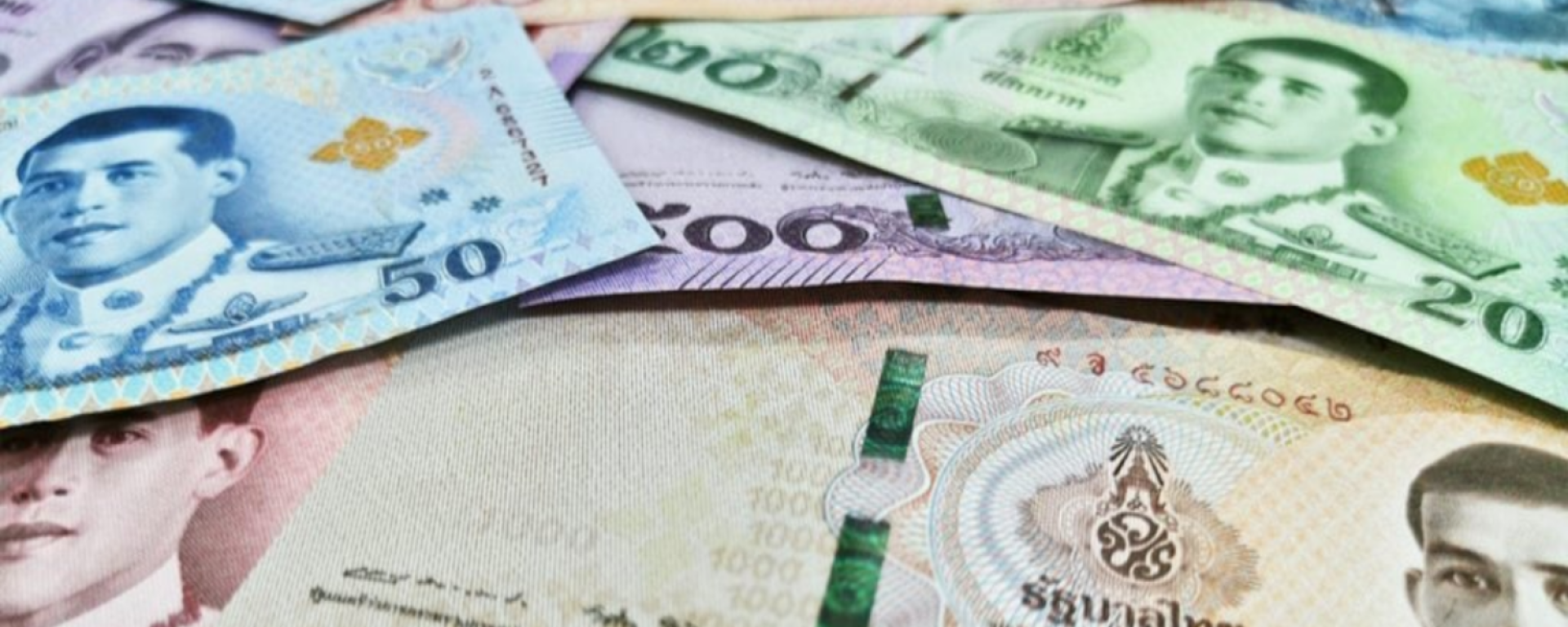
Thai banknotes are known for their colorful designs, different sizes, and detailed artwork that make them easy to recognize. Each denomination comes in a distinct color and is printed on durable cotton-based paper using intaglio printing technology, which creates a slightly raised texture that can be felt by touch. This technique not only improves durability but also helps prevent counterfeiting.
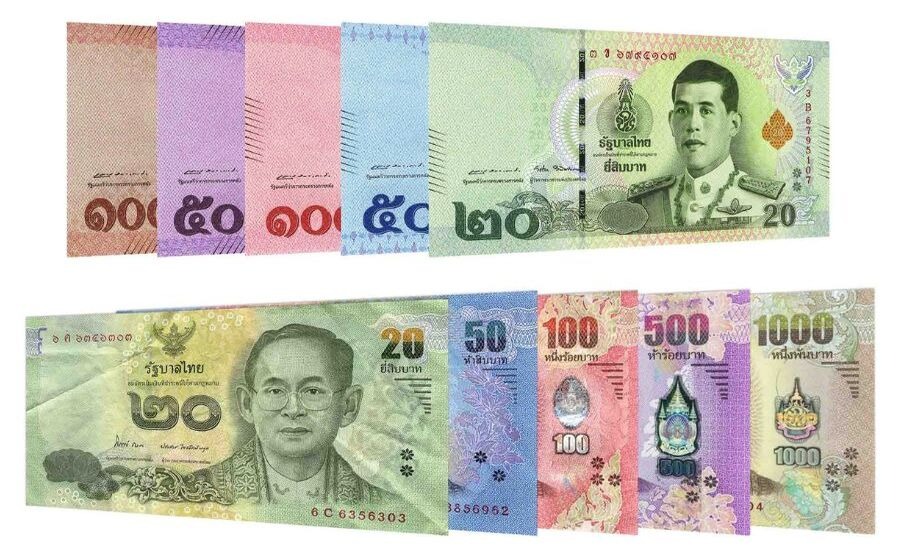
The colorful design of Thai banknotes
The front side of Thai banknotes features portraits of Thai monarchs, especially the current king, King Maha Vajiralongkorn. On the back side, the designs often showcase historical events, famous landmarks, cultural symbols, and influential figures from Thai history, giving travelers a glimpse into the country’s rich heritage and national identity.
Thai Coins
Thai coins are mainly made from nickel-clad iron and are commonly used for small daily purchases, public transportation, and convenience stores. Similar to banknotes, the front side of Thai coins also displays the portrait of King Maha Vajiralongkorn. Different coin denominations feature unique temple images and national symbols that represent important aspects of Thai culture and history.
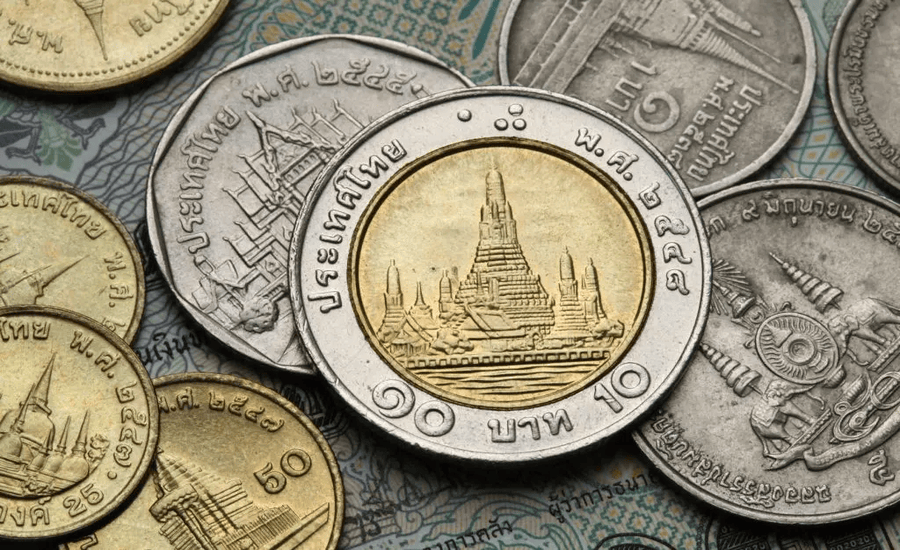
Thailand’s 10-baht coin features Wat Arun, the iconic Temple of Dawn
Denominations of Thai Currency
Thai Baht (THB) is issued in both banknotes and coins to support different types of daily transactions. Banknotes are available in denominations of 20, 50, 100, 500, and 1000 baht. The coins have denominations of 1, 2, 5, and 10 baht. This wide range of denominations makes payments in Thailand convenient and practical for both locals and tourists.
In addition to baht, Thailand also uses smaller currency units called “satang”, with 100 satang equal to 1 baht. Coins worth 25 and 50 satang still exist and are sometimes given as change in supermarkets or convenience stores. However, because their value is very low, satang coins are not commonly used in everyday transactions.
Modes of Payment in Thailand
Cash
Thailand is a cash-heavy country. Cash is still the most commonly used payment method in Thailand, especially at street food stalls, local markets, small shops, and public transportation services. Many vendors, particularly outside major cities, may only accept cash, so carrying some Thai Baht is highly recommended during your trip.
Credit Card and Debit Card
Credit and debit cards are widely accepted in shopping malls, hotels, restaurants, convenience stores, and larger tourist attractions throughout Thailand. Visa and Mastercard are the most commonly accepted cards, while American Express may only work in selected locations.
You may like it: What to Buy in Thailand: Best Souvenirs You Shouldn’t Miss
Exchange Currency In Thailand
Below are the approximate exchange rates between the Thai Baht and several major currencies in 22, May 2026:
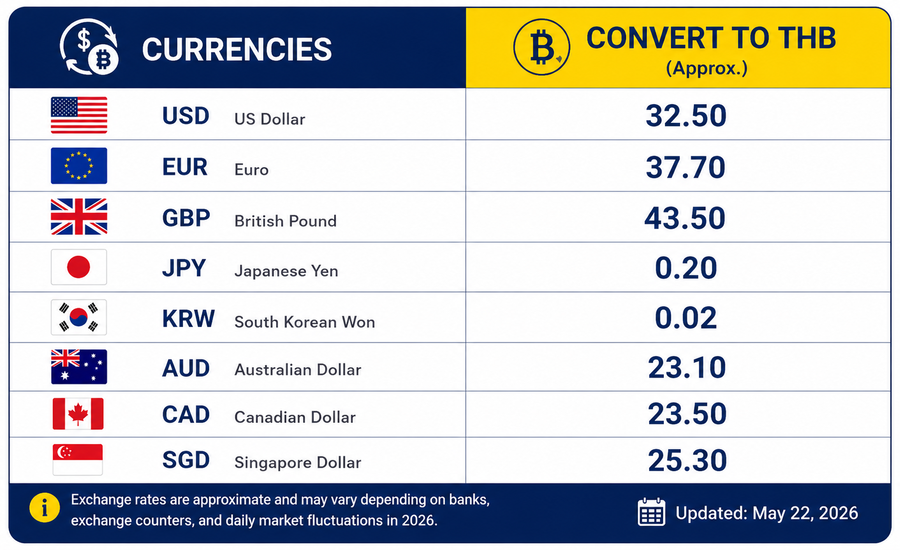
Approximate Thai Baht exchange rates in early May 2026 (Source: Bank of Thailand)
Places to Exchange Thai Currency
Banks
Banks are one of the safest and most reliable places to exchange money in Thailand. Major Thai banks such as Bangkok Bank, Kasikornbank, and Siam Commercial Bank offer currency exchange services in most cities and tourist areas. Exchange rates are usually fair, although the process may take longer compared to exchange booths.
Tourists typically need to present their passport when exchanging foreign currency at banks. Most bank branches operate during regular business hours, usually from morning until late afternoon on weekdays.
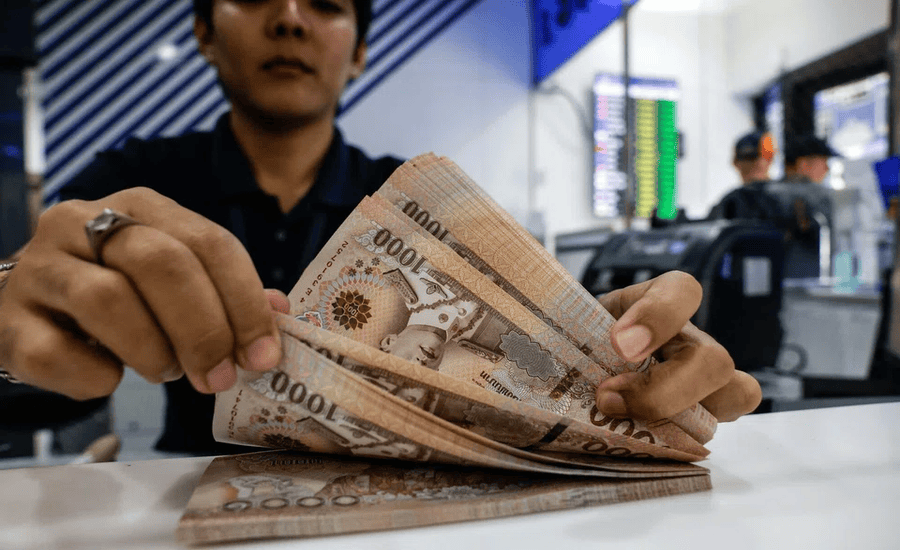
Thai banks are one of the most reliable places for currency exchange in Thailand
Currency Exchange Booths
Currency exchange booths are extremely common in tourist destinations like Bangkok, Phuket, Pattaya, and Chiang Mai. They are popular among travelers because the exchange process is quick, convenient, and often offers better rates than airports or hotels.
Well-known exchange chains such as SuperRich are especially popular for competitive rates. However, exchange rates may vary between booths, so comparing rates before exchanging larger amounts is always a good idea.
Hotels
Many hotels in Thailand provide currency exchange services for their guests, especially larger hotels and international resorts. This option is convenient for tourists who need quick access to Thai Baht without leaving the hotel.
However, hotel exchange rates are often less favorable compared to banks or independent money changers. For this reason, hotels are usually better for small emergency exchanges rather than exchanging large amounts of money.
Airports
Airports are one of the easiest places for tourists to exchange money immediately after arriving in Thailand. Currency exchange counters can be found at major international airports such as Suvarnabhumi Airport and Don Mueang Airport in Bangkok.
Airport exchange counters are convenient for quick cash exchanges
While airport exchange services are convenient, the rates are generally higher and less competitive than those in the city center. Many travelers choose to exchange only a small amount at the airport for transportation and initial expenses before finding better rates elsewhere.
Independent Money Changers
Independent money changers are widely available across Thailand, particularly in shopping districts and tourist areas. Many of them offer some of the best exchange rates available, making them a favorite choice among experienced travelers.
Before exchanging money, tourists should check that the exchange booth is licensed and trustworthy. It is also important to count the money carefully before leaving the counter to avoid misunderstandings or mistakes.
ATMs
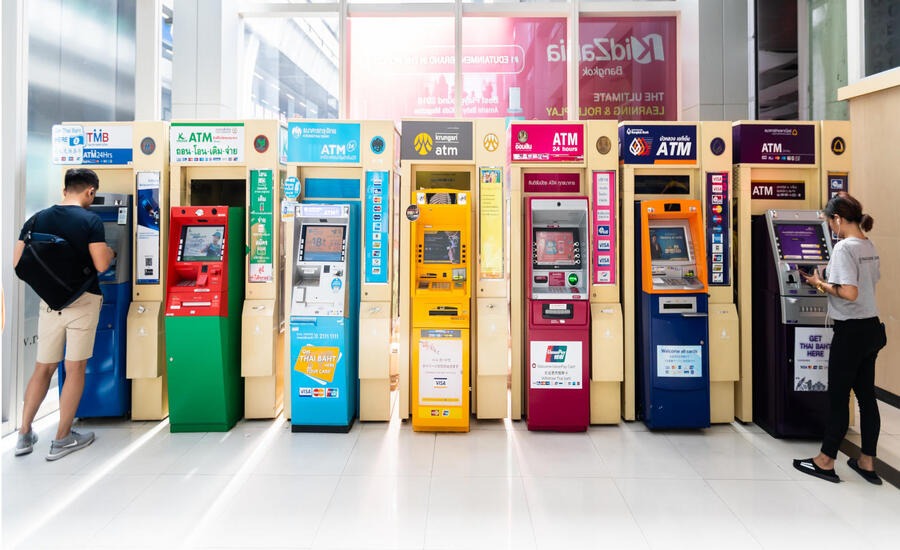
ATMs are widely available throughout Thailand, especially in cities, shopping malls, convenience stores, airports, and tourist areas. They are one of the easiest ways for international travelers to withdraw Thai Baht during their trip, and most machines support forein Visa and Mastercard cards.
Tips for Spending Money in Thailand
1. Carry Both Cash and Cards
Thailand is becoming increasingly cashless, especially in major cities and shopping malls, but cash is still essential for street food stalls, local markets, taxis, and small shops. Keeping a mix of cash and cards will make your trip much more convenient.
2. Avoid Exchanging Too Much Money at Airports
Airport exchange counters are convenient after arrival, but their rates are often less favorable than those in the city. Many travelers exchange only a small amount at the airport for transportation and basic expenses before finding better rates elsewhere.
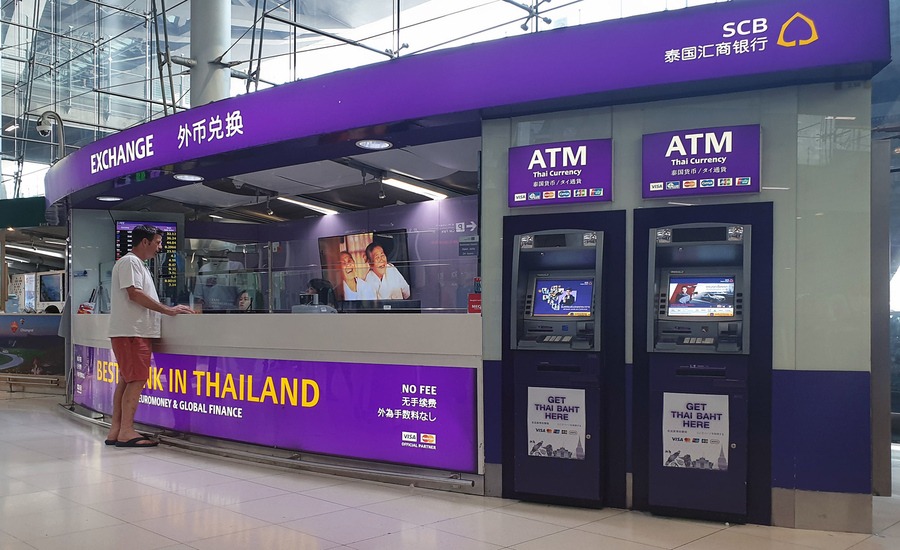
ATMs are available across Thailand and provide convenient access to Thai Baht
3. Keep Small Banknotes With You
Small bills such as 20, 50, and 100 baht are extremely useful in Thailand, especially for local transportation, convenience stores, and street vendors. Some smaller businesses may not have enough change for large banknotes like 1,000 baht.
4. Be Aware of ATM Withdrawal Fees
Most ATMs in Thailand charge additional fees for international card withdrawals. To reduce extra charges, many tourists prefer withdrawing larger amounts at once instead of making multiple small transactions throughout the trip.
5. Check Exchange Rates Before Changing Money
Exchange rates can vary noticeably between banks, airports, and money changers. Comparing rates before exchanging larger amounts can help travelers save money, especially during longer stays in Thailand.
6. Use Secure Payment Methods
When paying by card, it is safer to use trusted businesses, shopping malls, and reputable restaurants. Travelers should also avoid sharing PIN codes or using unfamiliar ATMs in isolated areas to reduce the risk of fraud or card issues.
Conclusion
Understanding how money works in Thailand can make your trip much smoother, more convenient, and less stressful. From learning about the Thai Baht and exchange rates to choosing the right payment methods and finding reliable places to exchange currency, a little preparation can help travelers avoid common mistakes and manage their budget better.
Ready to explore Thailand with more confidence? Follow Thai Unika Travel for more travel tips, local guides, and useful updates to make your Thailand trip smoother, smarter, and more memorable.
Explore the best Thailand itineraries, made just for you at: Thailand tour
Our most popular tours
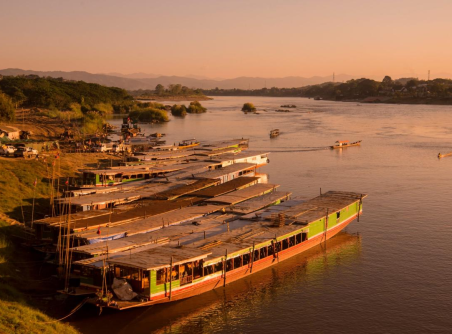
Kanchanaburi - Sukhothai - Ayutthaya - Bangkok - Chiang Mai - Chiang Rai - Chiang Saen - Luang Prabang Private


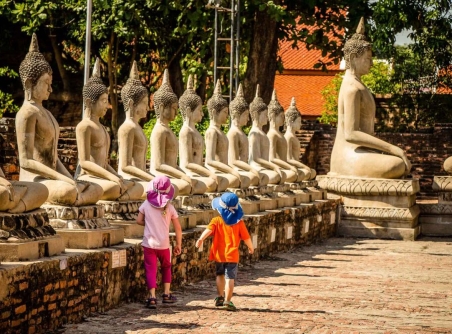
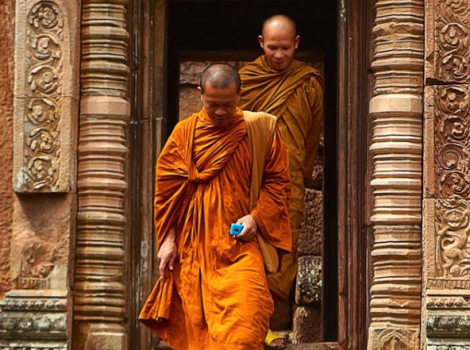

-
Thailand to Luang Prabang via Huayxay border 18 Days
-
Doi Inthanon National Park 3 Days 2 Nights
-
Hill tribe treks To The Less Seen Area Of Chiang Mai 3 Days
-
Short trip to Bangkok with your kid 5 days
-
 Cultural Connections from Singapore to Thailand 19D18N
-
 Thailand, Cambodia & Vietnam Border Crossing 15 Days