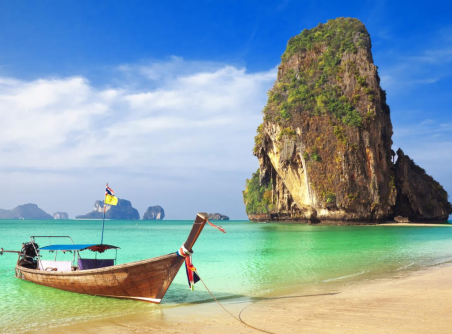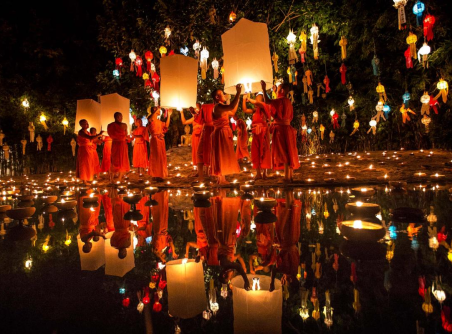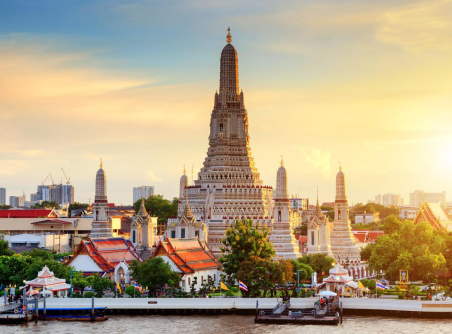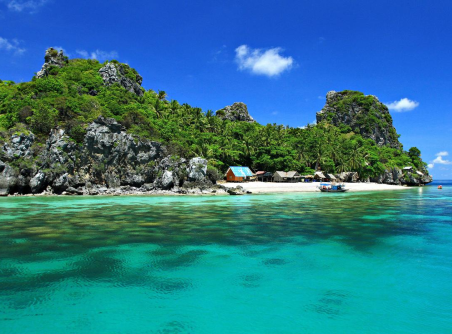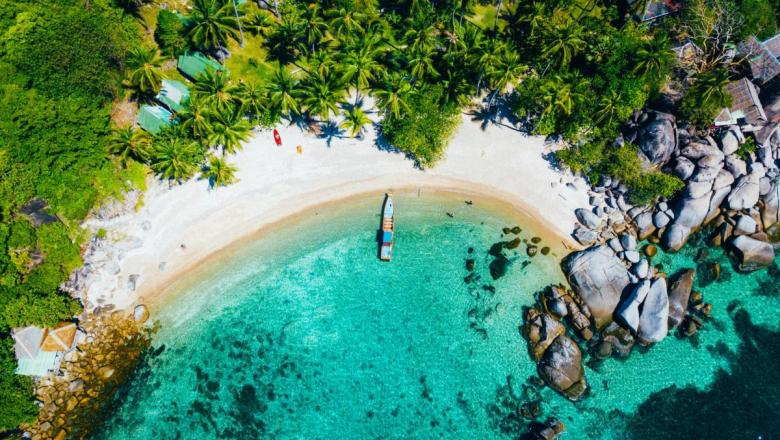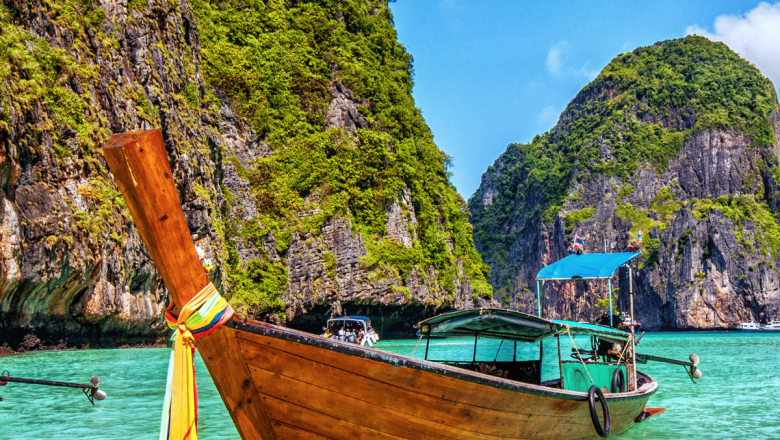
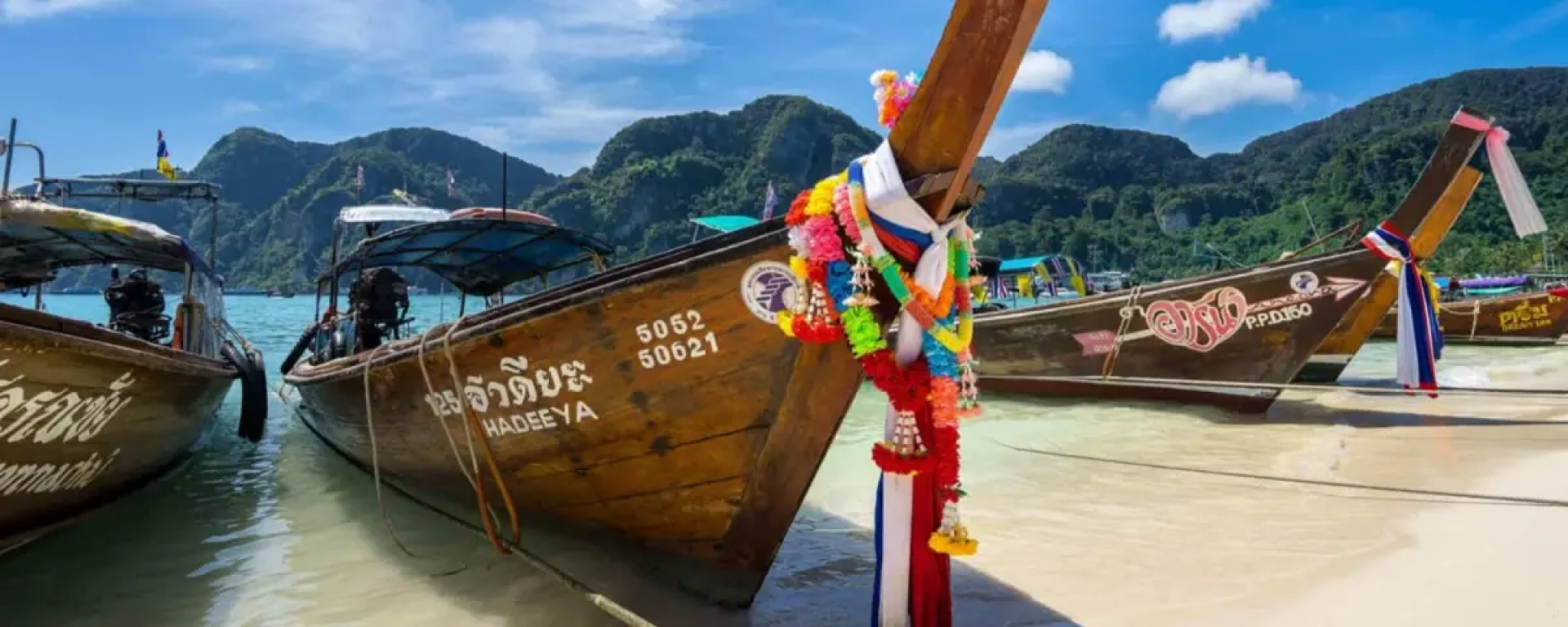
Krabi is a beautiful coastal destination in southern Thailand, known for its dramatic limestone cliffs, clear turquoise waters and tropical islands. Stretching along the Andaman Sea, it combines quiet beaches, lush forests and traditional fishing communities. Whether you enjoy island hopping, outdoor adventures or relaxing by the sea, Krabi offers plenty of ways to experience Thailand's natural beauty.
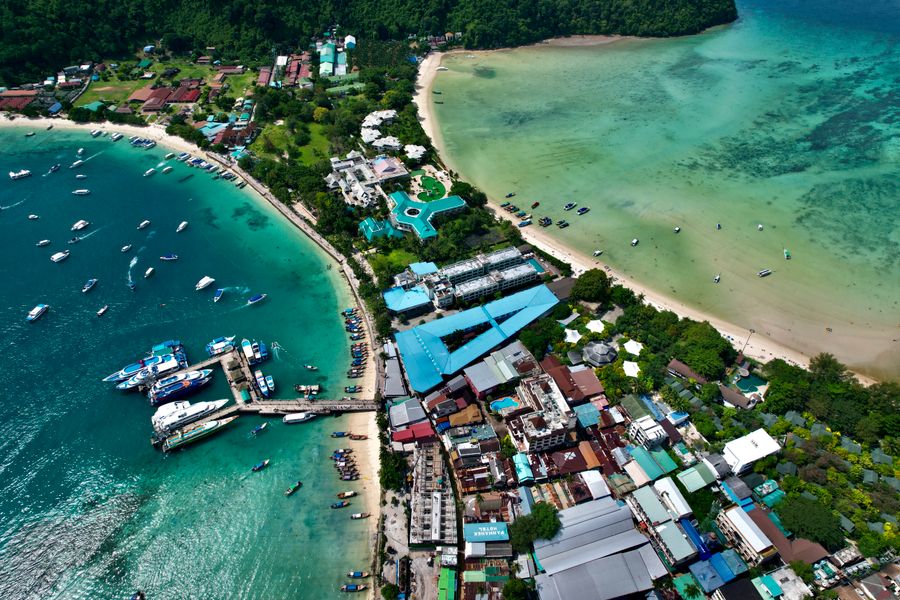
An impressive aerial view of Ton Sai village, featuring vibrant blue waters and lush green vegetation on Koh Phi Phi, Krabi
History & Cultural Background of Krabi
The history of Krabi dates back to prehistoric times, when archaeological discoveries of stone tools, ancient remains and cave paintings showed that early communities lived in this region thousands of years ago. The area was once known as Pakasai and developed gradually through fishing, agriculture and trade along the Andaman coast.
Around 1872, during the reign of King Rama V, Pakasai was officially elevated to town status and given the name Krabi. In 1875, it became administratively independent from Nakhon Si Thammarat and came directly under the central government in Bangkok. Around 1900, the administrative centre moved to its present location near the mouth of the Krabi River, where boats could access deeper waters.
Today, Krabi has developed into one of Thailand's major coastal tourism destinations while retaining its traditional fishing communities, Buddhist temples and diverse local heritage.
Best Time to Visit Krabi
Krabi has two main weather periods influenced by the tropical monsoon climate: the dry season, generally from November to April, and the rainy season, from May to October.
November to April is the best time to visit Krabi, particularly for beach activities and island hopping. December to February offers relatively comfortable temperatures, clearer skies and calmer sea conditions, making it ideal for boat trips, swimming and snorkelling. However, Christmas, New Year and January are also among the busiest periods.
March and April remain suitable for outdoor activities but can become very hot, especially around midday. From May to October, the southwest monsoon brings frequent rain and stronger waves. Some boat excursions may be cancelled depending on sea conditions, although the quieter atmosphere and greener landscapes can appeal to travellers seeking a more relaxed experience.
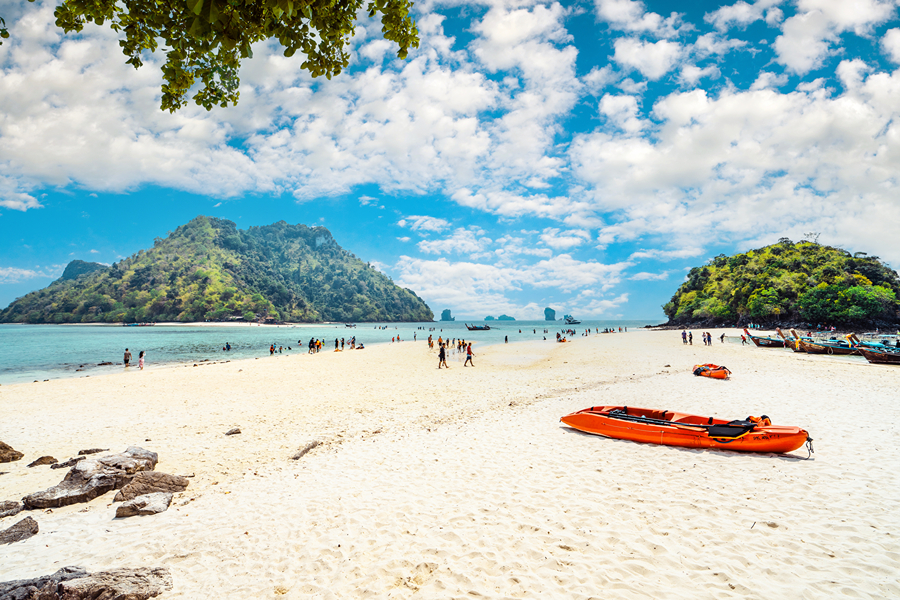
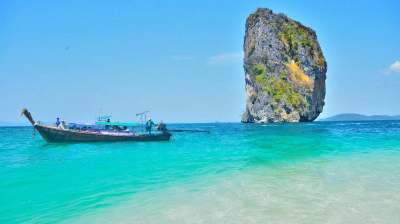
Seascapes and tropical islands in Krabi
How to Get to Krabi
Krabi is approximately 780 kilometres south of Bangkok by road and can be reached by plane, bus or private transfer. Flying is the most convenient option, with direct domestic flights from Bangkok to Krabi International Airport taking around 1 hour and 20 minutes.
The airport is approximately 26 kilometres from Ao Nang, the main tourist area, with a road journey of around 30–45 minutes by taxi or private transfer. Shared minivans and airport buses are also available at lower costs.
For travellers arriving from Phuket, the journey takes approximately 2.5–3 hours by road, depending on traffic and the chosen route. Highways connecting the main towns and coastal areas are generally paved and accessible. Once in Krabi, visitors can use local taxis, songthaews, rental scooters or traditional long-tail boats to reach different attractions.
Things to See and Do in Krabi
Main Highlights
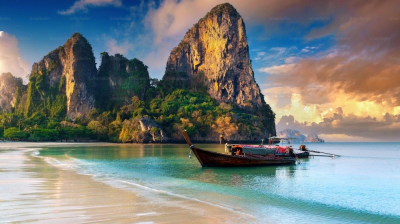
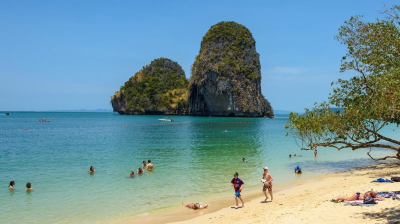
Railay Beach is one of Krabi's most recognisable destinations, surrounded by enormous limestone cliffs and white sandy beaches. Divided into several coastal areas, Railay is popular for swimming, kayaking and rock climbing. Nearby Phra Nang Cave Beach is another highlight, where clear water, dramatic rock formations and a small cave shrine create a distinctive coastal setting.
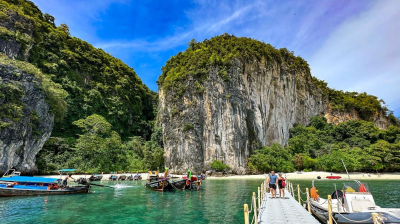
The Four Islands Tour is a popular way to explore the waters around Krabi. The excursion usually includes Koh Poda, Chicken Island, Tup Island and Phra Nang Cave Beach. Visitors can swim, snorkel and relax on small sandy beaches while travelling between the islands.
Hong Islands offer another memorable island-hopping experience. Located within Than Bok Khorani National Park, the islands are known for their sheltered lagoon, white beaches and towering limestone formations. A viewpoint overlooking the surrounding islands is particularly rewarding for visitors who enjoy short hikes.
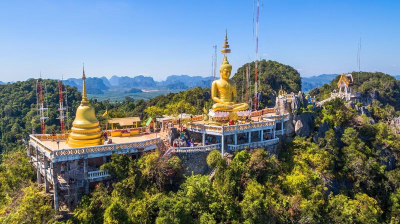
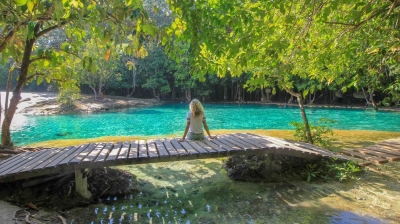
For a change of scenery, visit Tiger Cave Temple (Wat Tham Suea), where a challenging staircase leads to a hilltop Buddha statue and panoramic views over the surrounding countryside. The Emerald Pool, located within a forested wildlife sanctuary, is another worthwhile inland destination, with naturally coloured freshwater surrounded by tropical vegetation.
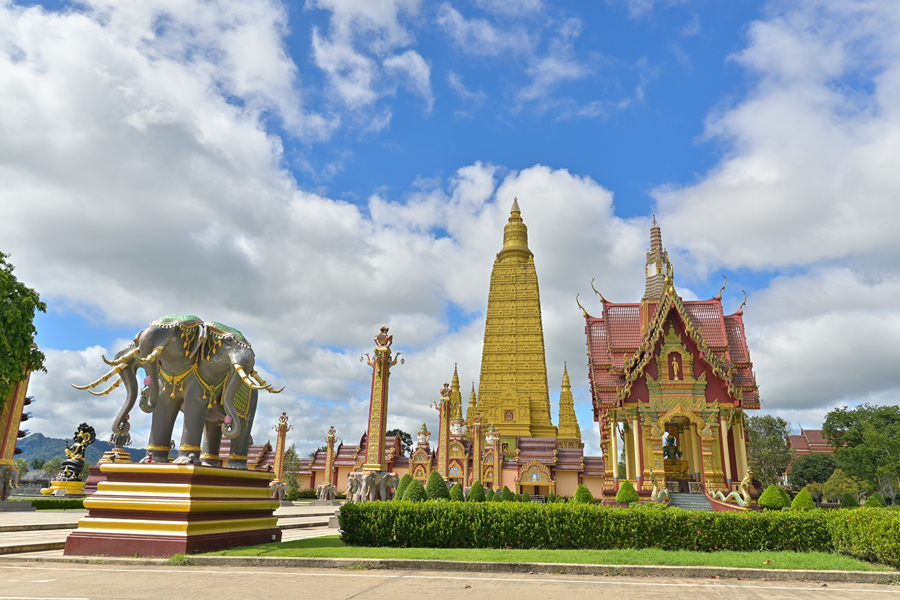
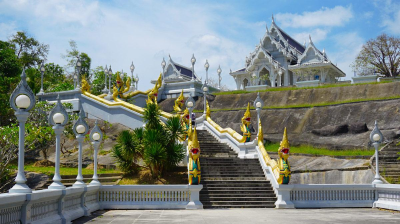
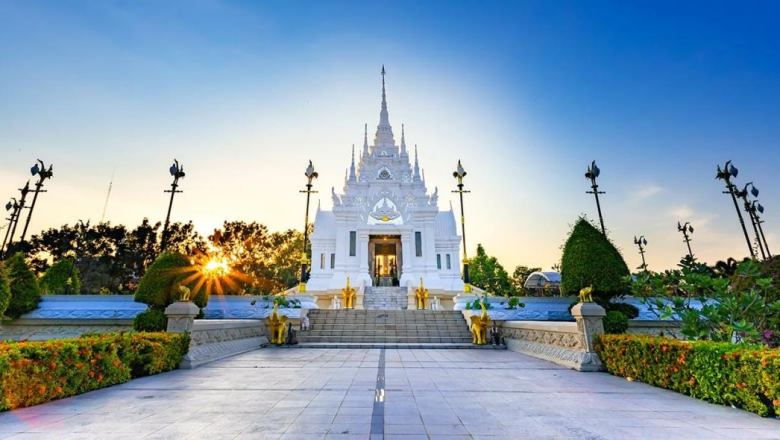
Wat Mahathat Wachiramongkhon or Wat Bang Thong, Krabi
Unique Details
Beyond its famous beaches, Krabi has several details that make the destination particularly interesting.
One distinctive feature of Railay is that it cannot be reached by road because steep limestone cliffs separate it from the mainland. Visitors must arrive by boat, usually taking around 10–15 minutes from Ao Nang.
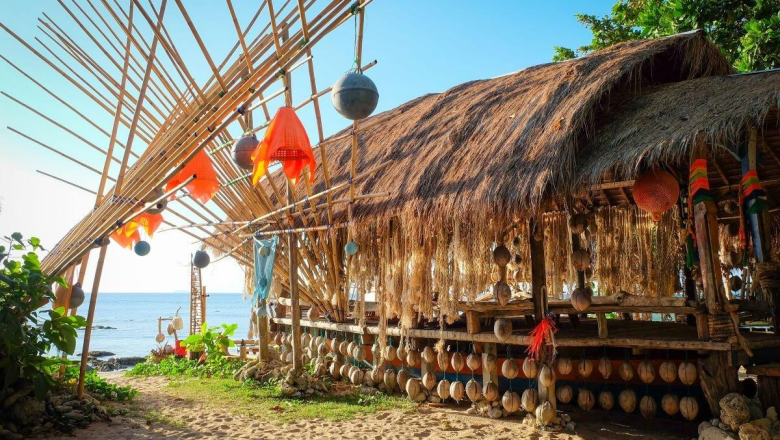
At Phra Nang Cave Beach, look for the small shrine decorated with colourful wooden offerings. It reflects local beliefs and traditions associated with the sea and fertility.
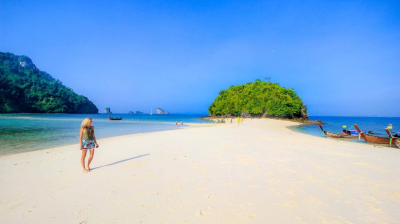
Another fascinating sight is the sandbar connecting Tup Island and nearby islets during low tide. This temporary natural pathway allows visitors to walk across shallow turquoise water, although its appearance depends on the tides.
Local Experience
Krabi is not only about beaches and island excursions. Visitors can explore local markets, enjoy freshly prepared seafood and experience the everyday atmosphere of coastal communities.
Try Southern Thai specialities, including rich curries, spicy seafood dishes and fresh grilled fish. Roti, often served with banana and condensed milk, is another popular snack found around tourist areas.
For a different perspective of the landscape, kayaking through mangrove forests and quiet coastal waterways is also worthwhile. These excursions offer opportunities to observe local fishing activities, birds and the region's natural ecosystems at a slower pace.
Travel Tips
-
Entrance fees: Krabi has no general entrance ticket. National park fees vary by location, typically around 200–400 THB for international adults. Emerald Pool costs approximately 400 THB for international adults. Boat tours and transport are usually charged separately.
-
Time needed: Allow 3–5 days to explore the main beaches, islands and inland attractions without rushing.
-
Clothing: Bring lightweight clothing, swimwear and comfortable walking shoes. Wear modest clothing when visiting Buddhist temples.
-
Safety: Check weather and sea conditions before joining boat trips. Wear a life jacket, avoid swimming in rough water and follow local guides.
-
What to bring: Sunscreen, sunglasses, a hat, drinking water, cash and a waterproof bag for island excursions.
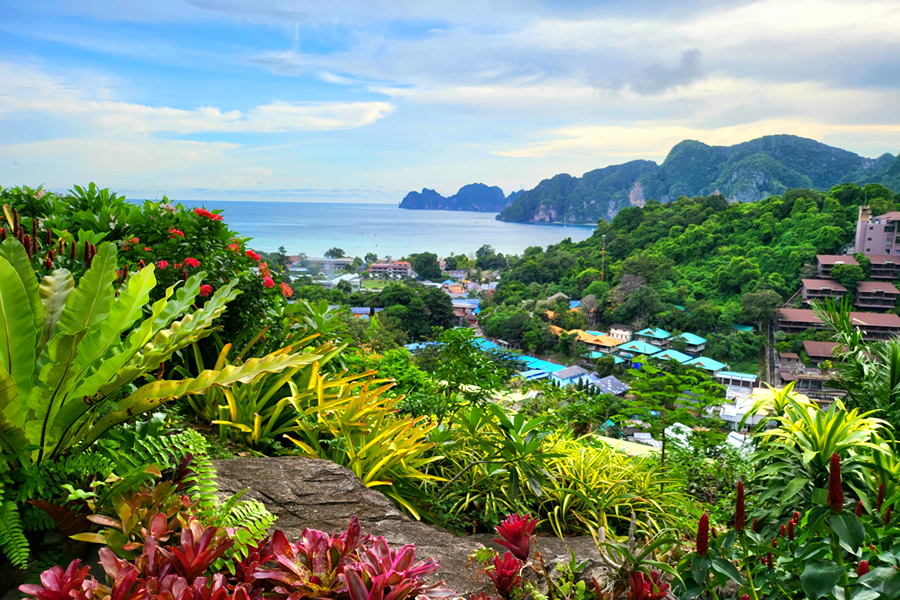
Phi Phi Island Viewpoint
FAQs
How many days should I spend in Krabi?
Three to five days is a good amount of time for a first visit. This allows you to explore Railay Beach, enjoy at least one island-hopping excursion and visit inland attractions. Travellers interested in diving, kayaking or visiting nearby islands may benefit from staying a week.
Is Krabi suitable for families with children?
Yes. Krabi has several family-friendly beaches, boat excursions and nature attractions. Ao Nang is particularly convenient because it offers accommodation, restaurants and easy access to organised tours. Families should choose suitable boat trips, avoid rough sea conditions and plan outdoor activities around the cooler morning hours.
Can I explore Krabi without joining an organised tour?
Yes. Many mainland attractions can be visited independently using taxis, rental vehicles or local transport. Visitors can also purchase boat tickets directly at designated beaches and piers. However, organised excursions can be more convenient for reaching several islands in one day.
Is Krabi worth visiting during the rainy season?
Yes, although travellers should have flexible plans. Rainy-season visits offer greener landscapes, fewer tourists and potentially lower accommodation prices. However, rough seas can affect island excursions, and some boat services may be suspended. Inland attractions, local markets and cultural activities provide alternative experiences when the weather changes.
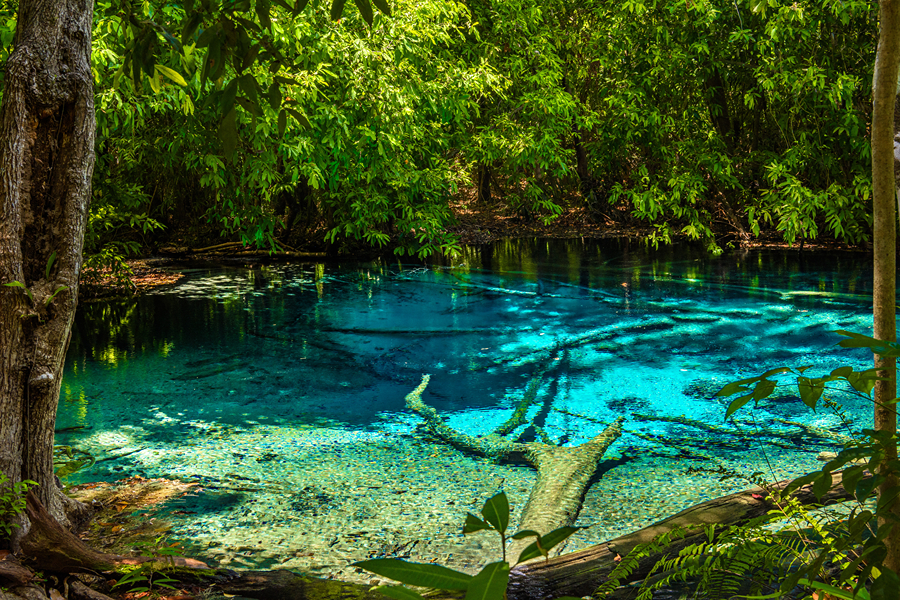
Emerald Pool, Yosemite National Park, Krabi
Conclusion
Krabi is a destination where dramatic limestone landscapes, beautiful islands and local traditions come together along Thailand's Andaman coast. From exploring Railay Beach to discovering hidden lagoons and enjoying fresh seafood, there is something for every type of traveller. Discover Krabi with Asia King Travel and let us help you plan a memorable journey through southern Thailand.